Unearthing History: The Ongoing Quest to Preserve Park Slope’s Revolutionary War Legacy
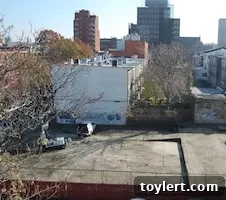
In the heart of Brooklyn’s vibrant Park Slope neighborhood lies a contested plot of land, a seemingly ordinary empty lot nestled between 8th and 9th streets, near 3rd Avenue. Yet, beneath its surface, some local historians and preservationists believe this site holds a profound secret: the final resting place of brave Revolutionary War soldiers. This belief has ignited a fervent campaign to protect the land from development, transforming it into a potential beacon of historical remembrance. The struggle to ascertain and honor its potential past involves community leaders, political figures, and archaeological experts, all working to illuminate a pivotal chapter in American history.
The Hallowed Ground of Gowanus: A Battlefield’s Echo
The historical significance of this specific Park Slope lot is deeply rooted in the Battle of Long Island, also known as the Battle of Brooklyn, which took place in August 1776. This was the first major battle of the American Revolutionary War after the Declaration of Independence and the largest battle of the entire conflict. General George Washington’s Continental Army faced a far superior British force led by General William Howe. The battle was a devastating defeat for the Americans, pushing them to the brink.
A crucial and legendary moment during this battle unfolded in the Gowanus area, which encompasses parts of modern-day Park Slope. A contingent of approximately 400 Maryland soldiers, famously known as the “Maryland 400,” made a heroic stand against the British. Their courageous rear-guard action near the Old Stone House and along the Gowanus Creek allowed Washington’s main forces to escape encirclement and eventual capture. These soldiers, many of whom perished in fierce hand-to-hand combat or drowned trying to cross the creek, sacrificed themselves to save the fledgling American army. Their valor is etched into the annals of American history, symbolizing the ultimate price paid for liberty.
For decades, the exact burial locations of these fallen heroes have remained largely unknown, leading to speculation and dedicated research. Historians have pointed to various sites within the broader Gowanus battlefield as potential mass graves. The empty lot in Park Slope has emerged as a prominent candidate, identified by researchers and local preservationists as a likely resting place for some of these brave Marylanders. The possibility of discovering such a profound historical treasure within the fabric of modern Brooklyn is a powerful call to action for its protection and commemoration.
From Development Threat to Archeological Inquiry
The story of the Marylander Development Site, as this parcel of land is officially known, came to public attention when development plans loomed. The prospect of constructing new buildings over what could be a sacred burial ground stirred the community and galvanized preservation efforts. Local residents and historical advocates raised concerns, emphasizing the ethical and historical imperative to investigate the site thoroughly before any construction could proceed.
Adding another layer of complexity, the School Construction Authority (SCA) expressed interest in the location for a potential new school. In the fall of 2012, as part of their initial assessment, the SCA began taking soil samples at the site. However, once alerted to the profound historical nature of the area and the persistent belief that it might harbor Revolutionary War graves, the SCA demonstrated a commendable commitment to responsible exploration. They quickly moved to hire an independent archaeologist to advise on the site and oversee further investigations, acknowledging the gravity of the claims made by preservationists. This crucial step marked a turning point, transforming a routine development inquiry into a significant archaeological undertaking.
The archaeological assessment is vital for several reasons. It provides the scientific evidence needed to confirm or refute the presence of human remains and artifacts from the Revolutionary War period. Such findings would not only validate the beliefs of historians but also underscore the immense historical value of the site. Urban archaeology, especially in a densely populated area like Brooklyn, presents unique challenges, requiring meticulous planning and execution to uncover remnants of the past without disturbing the modern landscape more than necessary. The ongoing analysis of soil samples and any subsequent excavations would be carefully scrutinized by experts and the public alike.
A United Front: Political Will and Community Vision
The local community’s passion for preserving this potential historic site has found a powerful voice in government. Councilwoman Sara M. Gonzalez, representing the district, has become a vocal champion for the cause. Recognizing the immense historical and cultural value at stake, she formally addressed Mayor Bloomberg, sending a letter to express her unequivocal support for the “acquisition, exploration, and development of the Marylander Development Site.”
Councilwoman Gonzalez’s letter articulated a clear vision: she hopes that the City of New York can purchase the site, thereby securing it from immediate commercial development. This acquisition would then pave the way for comprehensive archaeological testing, allowing experts to meticulously investigate the ground for any signs of the Revolutionary War fallen. Crucially, her proposal extends beyond mere preservation; it envisions the eventual establishment of a memorial park. Such a park would serve as a permanent tribute to the Maryland 400 and all Revolutionary War soldiers, offering a serene space for reflection, education, and remembrance for future generations.
The political support from Councilwoman Gonzalez is undeniably a significant boost for local preservationists. In a city where real estate is at a premium and development pressures are constant, securing official backing for land acquisition based on historical significance is a monumental challenge. Her advocacy signals that the historical integrity of Brooklyn’s past is a priority for local leadership, offering a glimmer of hope that this contested lot will not be sold off for conventional development but instead become a treasured public space. The collective efforts of community activists, historians, and now political figures demonstrate a united commitment to honoring the sacrifices made over two centuries ago.
The Path Forward: Challenges, Discoveries, and Commemoration
As of now, the results of the initial soil testing and archaeological assessments have not been publicly released. This silence, while perhaps frustrating for eager preservationists, is not uncommon in complex archaeological investigations that require thorough analysis and peer review. However, the sustained political support from figures like Councilwoman Gonzalez offers a crucial safety net, ensuring that the site’s historical claims remain at the forefront of public discourse and municipal planning, rather than being swept aside by development pressures.
The future of the Park Slope lot hinges on several key factors. First and foremost are the archaeological findings. If evidence confirms the presence of Revolutionary War burials, it would dramatically alter the site’s trajectory, almost certainly leading to its designation as a protected historical landmark. This would necessitate a careful and respectful approach to any further work, potentially involving extensive excavation to identify and properly inter any remains, or to interpret the site as an undisturbed memorial.
Secondly, the city’s willingness and ability to acquire the land will be paramount. This would involve negotiations with the current landowners and potentially the allocation of public funds or the engagement of philanthropic support. A successful acquisition would safeguard the site permanently and allow the vision of a memorial park to move closer to reality. Such a park would not only honor the fallen but also provide a much-needed green space and educational resource for the Park Slope community and visitors alike.
Imagine a tranquil park where pathways lead to interpretive signs explaining the Battle of Long Island, the heroism of the Maryland 400, and the lives of those who fought for American independence. It could host educational programs for schools, offering a tangible link to foundational moments in the nation’s history. This transformation from an overlooked urban lot to a revered memorial would be a testament to the power of historical preservation and community advocacy.
Beyond Park Slope: Preserving New York City’s Revolutionary Footprint
The situation in Park Slope is emblematic of a broader challenge and opportunity in New York City: the preservation of its Revolutionary War heritage. NYC played a pivotal role in the early days of the American Revolution, witnessing numerous battles, encampments, and strategic maneuvers. Yet, much of this history lies buried beneath generations of urban development, often forgotten or undiscovered.
Sites like the Marylander Development Site serve as powerful reminders that history is not just confined to textbooks and museums; it is literally beneath our feet. The effort to preserve this particular lot contributes to a larger narrative of reclaiming and honoring New York’s role in the birth of the nation. It highlights the importance of proactive archaeological surveys and community involvement in urban planning, ensuring that the relentless pace of development does not erase invaluable connections to our past.
By protecting and interpreting sites such as this, we not only pay homage to the sacrifices of those who came before us but also enrich our understanding of American identity and the enduring struggle for freedom. These sites become living classrooms, teaching future generations about courage, sacrifice, and the complex origins of the United States. The Park Slope initiative, therefore, represents more than just a local effort; it is a vital part of a continuous national dialogue about memory, heritage, and the spaces we choose to consecrate.