Exploring Brooklyn’s Vibrant Tapestry: Community, Culture, and Urban Life
Brooklyn, New York’s most populous borough, is a dynamic mosaic of neighborhoods, each boasting its unique character, challenges, and charms. From the historic brownstones of Park Slope to the artistic vibrancy of Bushwick, Brooklyn is a borough constantly reinventing itself while holding onto its deep-rooted community spirit. This snapshot into some of its compelling stories reveals how local initiatives, urban challenges, and quirky moments coalesce to define daily life in this iconic part of New York City.
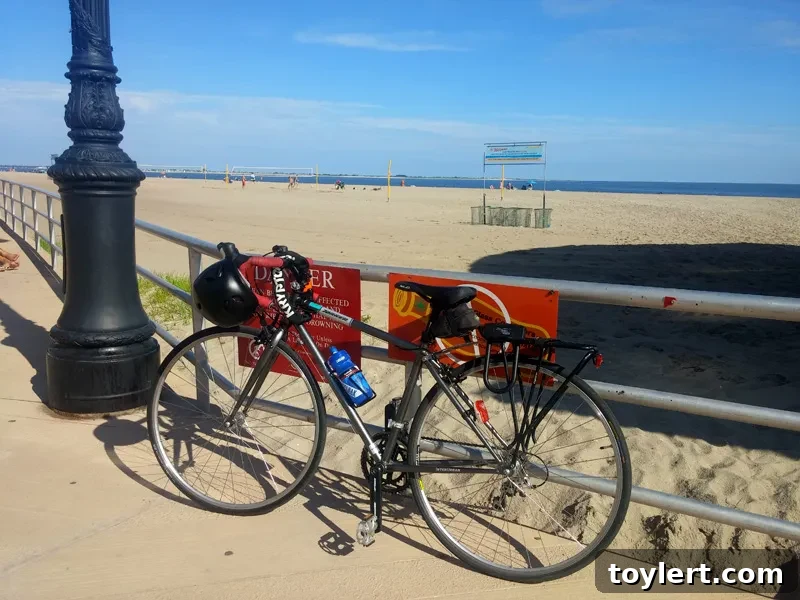
The image above, capturing a serene moment of a bike rider on what evokes the spirit of Coney Island, serves as a poignant reminder of Brooklyn’s diverse appeal – offering both bustling urban energy and pockets of tranquility. It’s this blend of the everyday and the extraordinary that makes Brooklyn an endlessly fascinating subject.
Navigating Urban Spaces: Transportation and Safety
A Smarter Commute: Councilmember Lander’s Vision for Reducing Left Turns
Urban transportation is a constant negotiation between efficiency, safety, and environmental impact. In a bustling borough like Brooklyn, traffic management strategies are crucial for improving the quality of life for residents and commuters alike. One such innovative approach came from Councilmember Brad Lander, who advocated for leveraging technology to enhance urban planning. Lander called upon tech giants like Google to refine their navigation algorithms, specifically to reduce the number of left turns suggested to drivers on congested city streets. This initiative, highlighted by South Slope News, was not merely about easing traffic flow but was deeply rooted in improving public safety and mitigating environmental pollution.
The rationale behind this proposal is multi-faceted. Left turns are statistically more dangerous than right turns, contributing to a disproportionately high number of accidents involving pedestrians, cyclists, and other vehicles. By minimizing these hazardous maneuvers, especially in dense residential and commercial areas like South Slope, the risk of collisions can be significantly reduced. Furthermore, vehicles waiting to make left turns often idle, leading to increased emissions and contributing to air pollution, a critical concern in urban environments. Reducing idling time translates into cleaner air and a smaller carbon footprint for the city.
Lander’s vision underscored a proactive approach to urban planning, recognizing the pervasive influence of digital navigation tools on daily commuting patterns. By collaborating with companies like Google, which develop widely used mapping applications, city officials could implement smart solutions that positively impact urban infrastructure and public welfare without massive infrastructural overhauls. This forward-thinking strategy aims to harmonize technology with city planning goals, leading to safer streets, smoother traffic, and a healthier environment for all Brooklynites. It represents a micro-level intervention with macro-level benefits, showcasing how thoughtful policy can leverage modern tools to address age-old urban challenges.
The Heartbeat of Brooklyn: Community Life and Quirky Charms
Beyond policy and planning, Brooklyn’s true essence lies in its vibrant community life, often punctuated by delightful, and sometimes peculiar, local occurrences. These stories, shared among neighbors and amplified by local media, paint a vivid picture of the borough’s unique character.
The Park Slope Pizza Squirrel: An Icon of Urban Adaptation
New York City is famous for its pizza, and it seems even its wildlife appreciates a good slice. One particular incident, reported by Gothamist, captured the internet’s imagination and became an instant classic: a squirrel in Park Slope was observed folding a pizza slice, much like a seasoned New Yorker, before carrying it away. This amusing anecdote quickly went viral, becoming a testament to the resilience and resourcefulness of urban wildlife, as well as the unique charm of city living.
The “pizza squirrel” became more than just a fleeting moment; it symbolized the often-humorous interaction between nature and the concrete jungle. In a city where millions hustle, this small creature demonstrated an uncanny ability to adapt and thrive, even adopting human-like mannerisms in its quest for a meal. It speaks to the shared experience of New Yorkers, where even a squirrel’s culinary habits can evoke a sense of camaraderie and amusement. This lighthearted story resonated deeply, reminding residents that even in the bustling metropolis, there are moments of unexpected joy and a shared, quirky identity that binds the community together.
Innovative Solutions for Urban Living: Doggy Port-a-Potties on Union Street
The challenges of urban living often spur creative solutions, especially when it comes to shared public spaces. Pet ownership, while rewarding, presents unique responsibilities, particularly regarding pet waste management in densely populated areas. A heartwarming and practical example of community initiative emerged on Union Street in Park Slope, where a thoughtful neighbor set up “doggy port-a-potties.” This ingenious system, covered by Park Slope Stoop, aimed to address the perennial problem of pet waste, which can be both an eyesore and a public health concern.
These improvised stations, often consisting of bins with plastic bags, offered a convenient and discrete way for dog owners to responsibly dispose of their pets’ waste. The initiative underscored a proactive community spirit, where residents take it upon themselves to improve their immediate surroundings and foster a sense of collective responsibility. It highlighted Park Slope’s reputation as a pet-friendly neighborhood, where dog owners are generally conscientious, and community members are willing to go the extra mile to maintain cleanliness and harmony. Such grassroots efforts are vital in urban environments, demonstrating how simple, yet effective, solutions can significantly enhance the livability and appeal of a neighborhood for both humans and their furry companions.
Lasting Tributes: Commemorating Loved Ones in Fort Greene Park
Public parks serve as vital green lungs within the urban sprawl, offering spaces for recreation, relaxation, and reflection. Fort Greene Park, a beloved landmark in its namesake neighborhood, holds particular significance for its historical depth and its role as a community gathering place. It also provides a unique opportunity for residents to create lasting memorials, as reported by Fort Greene Focus. The tradition of commemorating a loved one with a bench in a public park is a poignant way to honor memory and contribute to the community simultaneously.
These commemorative benches are more than just seating; they are quiet tributes, offering a place for pause and remembrance amidst the park’s vibrant activity. Each bench tells a story, etched into its plaque, providing a personal connection to the broader fabric of the community. For those grieving, it offers solace knowing that their loved one’s memory is preserved in a beautiful, accessible public space that brings joy to others. For park-goers, these benches offer moments of quiet contemplation, often inspiring thoughts about shared humanity and the enduring power of memory. This program enriches Fort Greene Park, not just aesthetically, but also by deepening its emotional and communal resonance, making it a living monument to the people who have shaped the neighborhood.
Addressing Complex Urban Challenges
While Brooklyn celebrates its quirks and community spirit, it also grapples with complex social issues that demand thoughtful public policy and compassionate community engagement.
Bushwick’s Dilemma: Housing for Vulnerable Populations and Community Concerns
One of the most sensitive and challenging issues faced by urban centers is the provision of housing for vulnerable populations, particularly those with complex needs. Bushwick, a rapidly evolving neighborhood, found itself at the center of a difficult conversation when the city planned to house 50 sex offenders at a local nonprofit facility dedicated to the homeless. This development, covered by Bushwick Daily, ignited significant debate and concern within the community, highlighting the intricate balance between rehabilitation, public safety, and neighborhood integration.
Such situations present multifaceted dilemmas. On one hand, there is a recognized need to provide stable housing and support services for all individuals, including those who have been incarcerated, to facilitate their reintegration into society and reduce recidivism. Nonprofits often play a crucial role in this process, offering essential services that the public sector may not fully provide. On the other hand, residents, particularly those with families, often express legitimate concerns about public safety, property values, and the overall character of their neighborhood when such facilities are proposed or established. The concentration of individuals with specific needs in one area can strain local resources and spark anxieties that require careful management and transparent communication from city officials.
The Bushwick case underscored the importance of comprehensive planning, community dialogue, and support systems that extend beyond just housing. It prompted discussions about the adequacy of resources for monitoring and rehabilitation, the geographical distribution of such facilities across the city, and the need for public education to foster understanding while addressing genuine fears. This incident served as a powerful reminder that urban growth and social policy must always be responsive to the diverse needs and concerns of all community stakeholders.
Arts, Culture, and Creative Integrity
Brooklyn’s cultural scene is as diverse and vibrant as its population, often spearheaded by independent artists and promoters who champion creative integrity against commercial pressures.
SummerScreen and the Standoff: Todd P’s Stance on Commercial Branding
The intersection of art, commerce, and community events often creates a delicate balance, particularly in a city known for its robust independent arts scene. SummerScreen, a popular outdoor film and music series in Brooklyn, experienced a notable moment of tension when renowned independent promoter Todd P pulled his scheduled music acts from the event. The reason, as reported by Gothamist, was a disagreement over Vitamin Water’s prominent branding at the event. This incident highlighted the ongoing debate about corporate sponsorship’s role in cultural programming and the importance of artistic autonomy.
Todd P, known for his commitment to grassroots music and art scenes, felt that the extent of the corporate branding compromised the independent spirit and artistic integrity of SummerScreen. His decision sparked a broader conversation within the cultural community about the fine line between necessary funding and unwelcome commercial intrusion. Many independent artists and cultural organizers rely on corporate sponsorships to make events accessible and free to the public, especially in an expensive city like New York. However, there is a constant struggle to ensure that the commercial aspects do not overshadow the artistic purpose or alienate the audience who values authenticity.
This episode served as a powerful declaration from a prominent figure in the Brooklyn arts scene, emphasizing that not all money is good money if it comes at the cost of creative principles. It resonated with many who believe that maintaining the unique character of local cultural events is paramount, even if it means foregoing certain financial benefits. The controversy underlined the passionate dedication of Brooklyn’s cultural custodians to preserving spaces where art can flourish without being unduly influenced by commercial agendas, ensuring that events like SummerScreen continue to serve as genuine community and cultural touchstones.
Brooklyn: A Borough of Contrasts and Constant Evolution
From strategic urban planning initiatives like reducing left turns to the charming antics of a pizza-loving squirrel, and from thoughtful community solutions for pet owners to complex debates about housing vulnerable populations, Brooklyn encapsulates the full spectrum of urban life. It is a borough where community spirit thrives, challenges are met with creativity, and cultural integrity is fiercely defended. These stories, big and small, collectively paint a picture of a dynamic, resilient, and endlessly fascinating place. Brooklyn continues to evolve, shaped by its diverse inhabitants and their collective efforts to create a borough that is both uniquely New York and distinctly its own.