Revitalizing Old Walls: A Homeowner’s Guide to Skim Coating, Paint, and Wallpaper Removal
For many homeowners, especially those in older apartments and brownstones, the vision of pristine, smooth walls is often hampered by decades of history. Layer upon layer of paint, sometimes directly over antiquated wallpaper, can create a challenging and often uneven canvas. When faced with the prospect of renovating these walls, the quotes for professional skim coating can be eye-wateringly high, leaving many wondering about the most cost-effective yet durable long-term solutions. This comprehensive guide will delve into the various approaches to wall preparation, evaluating their implications for both budget and longevity, helping you make an informed decision for your home.
Understanding the Challenge: Decades of Layers
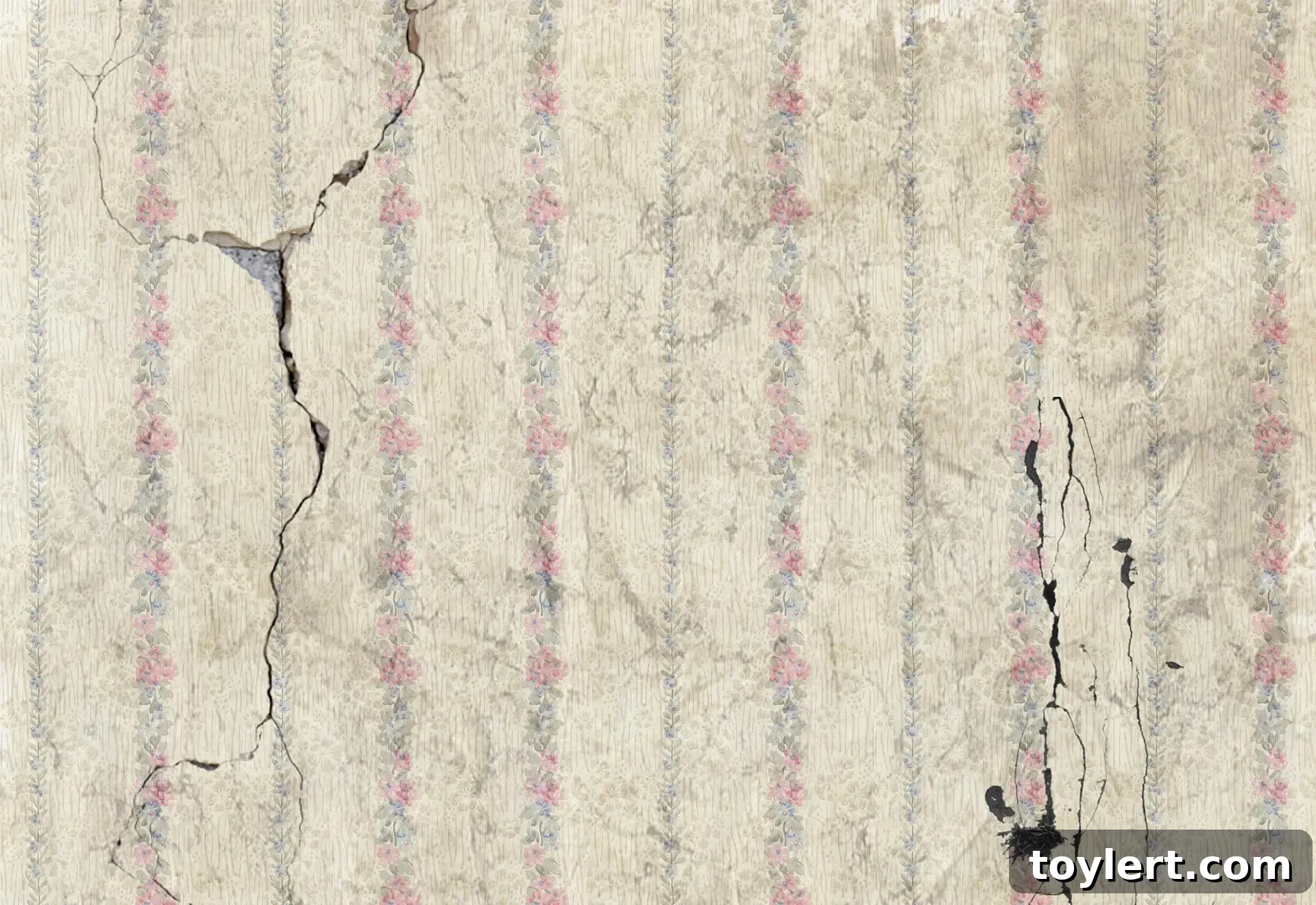
Older apartment walls often bear witness to a multitude of decorative trends over the years. What might appear as a minor crack or uneven patch on the surface can, upon closer inspection, reveal a complex stratification of materials. Multiple coats of paint, each applied without proper preparation, can create a bumpy, orange-peel texture. Beneath these paint layers, it’s not uncommon to find several generations of wallpaper, some glued directly onto plaster, others on top of previous wallpaper layers. This accumulation not only detracts from the aesthetic appeal but can also lead to issues like peeling paint, bubbling wallpaper, and an inability to achieve a truly smooth finish with new paint applications.
The primary goal for homeowners in this situation is to achieve a clean, stable, and smooth substrate for new finishes. This often means addressing the existing layers head-on, rather than simply painting over them and hoping for the best – a strategy that frequently leads to disappointment and the need for more extensive repairs down the line. The initial investment in proper wall preparation, while potentially significant, is often the most cost-effective path in the long run, preventing recurring issues and ensuring a lasting, high-quality result.
The Skim Coating Solution: When and Why It’s Worth It
What is Skim Coating?
Skim coating, also known as level 5 finish, is the process of applying one or more thin layers of joint compound over an entire wall surface. The goal is to create a perfectly smooth, uniform base, concealing imperfections, textures, and minor cracks. It’s essentially a fresh start for your walls, making them look brand new. This technique is particularly effective when walls are generally sound but have minor surface damage, uneven textures from previous paint jobs, or residual glue from wallpaper removal that cannot be fully sanded away.
The Benefits and Drawbacks
The primary benefit of professional skim coating is an unparalleled smooth finish, ideal for modern, minimalist aesthetics or for walls that will be exposed to significant light, which can highlight imperfections. It provides an excellent base for high-quality paint, ensuring vibrant colors and a flawless look. However, skim coating is highly labor-intensive and requires significant skill, which is why professional quotes can be substantial. The process involves meticulous sanding between coats, precise application, and a keen eye for detail. This extensive labor, combined with material costs, contributes to its higher price point compared to simpler paint jobs.
For walls with severe damage, large holes, or structural issues, skim coating alone might not be sufficient; deeper repairs or even drywall replacement might be necessary before skim coating can commence. Understanding the extent of your wall’s condition is crucial before committing to this option.
Alternatives to Full Skim Coating: Exploring Other Prep Methods
While skim coating offers the gold standard for wall smoothness, it’s not the only option. Depending on the condition of your walls and your desired outcome, several other preparation methods can be considered, each with its own pros, cons, and cost implications.
1. Paint Removal: Stripping Back the Years
If your walls are relatively smooth but have many layers of paint, some of which are peeling or chipped, removing the old paint might be a more targeted solution than full skim coating. There are several methods:
- Chemical Strippers: These products dissolve paint, making it easier to scrape off. They can be effective but require careful handling due to strong fumes and corrosive properties. Ventilation is crucial, and protective gear is a must.
- Heat Guns: A heat gun softens paint, allowing it to be scraped away. This method is effective for thick layers but carries a risk of fire if not used carefully, and fumes can be toxic, especially with older lead-based paints.
- Sanding: For minor imperfections or to feather out edges of chipped paint, sanding can be useful. However, sanding multiple layers of paint is incredibly dusty and time-consuming, and caution must be exercised if lead paint is suspected. Professional lead paint abatement might be legally required for older homes.
Once the paint is removed, the underlying surface might still require some skim coating for minor imperfections, but the overall scope will be significantly reduced compared to starting with heavily textured walls.
2. Wallpaper Removal: Uncovering the Foundation
Removing old wallpaper, especially multiple layers, can be a daunting task. Residual adhesive left behind can prevent new paint from adhering properly and create an uneven texture. The primary methods include:
- Steaming: A wallpaper steamer uses hot steam to penetrate and loosen wallpaper and adhesive. This is often the most effective method for multiple layers and old, stubborn glue. It can be time-consuming but generally avoids chemical use.
- Chemical Removers: Various wallpaper stripping solutions are available that soak into the paper, breaking down the adhesive. These are effective but require good ventilation and careful application.
- Scraping: Manual scraping is always involved, regardless of whether you steam or use chemicals. Proper tools, like wide scrapers, are essential to avoid damaging the underlying plaster or drywall.
After wallpaper removal, the wall will almost certainly require some degree of cleaning, patching, and potentially light skim coating to create a paint-ready surface. The condition of the wall underneath the wallpaper is often the biggest unknown, and can sometimes reveal significant damage that requires more extensive repair.
3. Patching and Repair for Minor Imperfections
If your walls are mostly in good condition with only isolated cracks, nail holes, or small dents, a full skim coat might be overkill. In such cases, targeted patching and sanding can be a more economical solution. Using spackle or joint compound to fill imperfections, followed by careful sanding and priming, can achieve a satisfactory finish without the extensive labor of a full skim. This approach is significantly less costly and time-consuming but won’t address widespread texture issues or deep-seated unevenness.
4. Installing New Drywall Over Existing Walls
For walls that are severely damaged, extremely uneven, or have significant structural issues that cannot be easily repaired, an extreme but sometimes necessary option is to install new drywall directly over the existing walls. This method creates a perfectly new, smooth surface. However, it will reduce the room size slightly, can complicate door and window casings, and is a major construction project. While it offers a pristine finish, it is generally considered a last resort due to its complexity and cost.
5. Texturing as an Alternative
If achieving a perfectly smooth wall is financially prohibitive, but you still want to mask imperfections, applying a textured finish can be an alternative. Various techniques, such as knockdown texture, orange peel, or skip trowel, can hide minor flaws and provide a decorative element. This is often less labor-intensive than skim coating to perfection but requires a different skill set. While not providing the sleekness of a smooth wall, it can be a budget-friendly way to refresh an old room.
Long-Term Cost-Effectiveness: Making the Right Investment
When evaluating “cost-effectiveness in the long run,” it’s essential to look beyond the initial price tag. A cheaper, quick fix today might lead to recurring problems, costly repairs, and dissatisfaction down the road. Here’s why investing in proper wall preparation, even if it means a higher upfront cost, often pays off:
- Durability and Longevity: Properly prepared walls provide a stable base for new paint. This means your new paint job will last longer, resist peeling and cracking, and maintain its aesthetic appeal for years, reducing the frequency and cost of repainting.
- Enhanced Aesthetic Value: Smooth, pristine walls significantly enhance the overall look and feel of a room. This contributes to a higher quality living environment and can positively impact your home’s resale value. A shoddy paint job on uneven walls is instantly noticeable and can be a deterrent to potential buyers.
- Problem Prevention: Addressing issues like peeling paint or loose wallpaper proactively prevents them from escalating into more significant and expensive problems, such as moisture penetration or structural damage, especially in older buildings where plaster might be fragile.
- Reduced Future Maintenance: Walls that are properly prepped require less maintenance. You won’t be constantly patching, scraping, or repainting problem areas, saving both time and money.
- DIY vs. Professional: While a DIY approach might seem cheaper initially, attempting complex tasks like skim coating or extensive wallpaper removal without the right skills or tools can lead to subpar results, wasted materials, and ultimately, the need to hire a professional to fix the mistakes, costing more in the long run. For critical tasks, professional expertise often delivers superior, lasting results.
Factors to Consider Before Making a Decision
Before committing to a specific strategy for your walls, consider these key factors:
- Current Wall Condition: Conduct a thorough inspection. Are the walls generally sound but just uneven, or are there significant cracks, crumbling plaster, or moisture issues? The severity of the damage will dictate the necessary level of intervention.
- Desired Finish: Do you dream of perfectly smooth, gallery-white walls, or are you comfortable with a slightly textured finish that might hide minor imperfections? Your aesthetic preference will influence the method.
- Budget and Timeframe: Be realistic about your financial resources and how quickly you need the project completed. Professional skim coating is the most expensive and time-consuming, while targeted patching is quicker and cheaper.
- DIY Skill Level: Honestly assess your own capabilities. Tasks like extensive wallpaper removal, paint stripping, and especially skim coating, require patience, skill, and specialized tools. If you’re not confident, hiring a professional is a wise investment.
- Lead Paint and Asbestos Concerns: In older apartments (especially those built before 1978), there’s a risk of lead-based paint and even asbestos in certain wall materials or textures. Disturbing these materials can release hazardous particles. If suspected, always consult with certified professionals for testing and abatement to ensure safety. This is a non-negotiable safety concern that overrides all other considerations.
Conclusion: An Informed Decision for Lasting Beauty
Navigating the complexities of old apartment walls with decades of layered paint and wallpaper can be daunting. While the initial quotes for professional skim coating might cause sticker shock, it’s crucial to weigh the long-term benefits of proper preparation against the potential pitfalls of superficial fixes. Whether you opt for a full skim coat, careful paint and wallpaper removal, or a targeted patching approach, the key lies in making an informed decision based on the actual condition of your walls, your budget, your desired aesthetic, and most importantly, safety considerations.
By investing in the right preparation methods today, you ensure that your revitalized walls will not only look beautiful but will also provide a durable, stable foundation for future enjoyment, proving to be the most cost-effective choice in the long run. Don’t hesitate to consult with experienced contractors and painting professionals to get tailored advice and quotes for your specific situation.