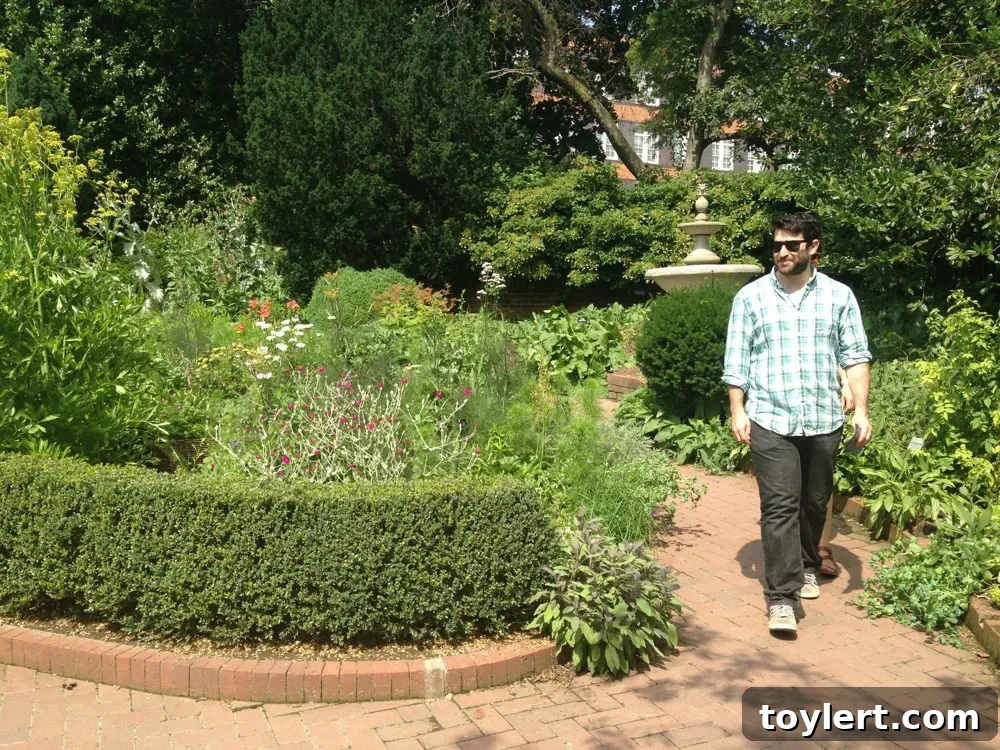
The urban landscape of Brooklyn is a dynamic tapestry woven with historical charm, vibrant communities, and relentless progress. While iconic green spaces like the Brooklyn Botanic Garden offer serene escapes, the borough is consistently abuzz with developments, community dialogues, and significant shifts in its real estate market and infrastructure. The tranquil beauty of the Shakespeare Garden, a highlight within the Brooklyn Botanic Garden, serves as a poignant contrast to the ongoing transformation of its surrounding neighborhoods, where every new building, public hearing, and infrastructure project shapes the future of this beloved New York City borough. This article delves into the diverse events and trends that encapsulate Brooklyn’s ongoing evolution, from significant real estate transactions to grassroots community activism and crucial urban planning decisions.
Brooklyn’s Flourishing Real Estate Market: Investment, Development, and Demand
Brooklyn continues to solidify its reputation as a prime location for real estate investment and development, attracting both local families and international firms. The demand for housing, particularly in desirable neighborhoods, remains robust, driving both rental and sales markets. This strong interest is evident in various recent developments across the borough. In Ditmas Park, for instance, the quest for family-friendly living spaces underscores a broader trend: as Brooklyn matures, it increasingly caters to families seeking more spacious accommodations and community-oriented environments. Finding suitable rental properties for extended families, such as two sisters and their families, highlights the competitive nature of the market and the enduring appeal of neighborhoods known for their distinctive architecture and leafy streets, like Ditmas Park.
Further illustrating Brooklyn’s allure for investors, a Swedish firm recently completed a substantial acquisition, purchasing a Brooklyn rental portfolio for an impressive $125 million. This significant investment signals confidence in the borough’s long-term economic stability and the consistent demand for rental units. Such large-scale transactions contribute to the reshaping of local housing markets, often leading to upgrades in properties and, at times, discussions around affordability and gentrification. The influx of foreign capital into Brooklyn’s real estate scene is a testament to its global recognition as a valuable and growing market.
Beyond existing portfolios, new construction projects are continuously breaking ground, pushing the boundaries of Brooklyn’s urban fabric. Brownsville, a neighborhood rich in history and potential, is set to see the conversion of a mysterious factory at 326 Junius Street into a hotel. This adaptive reuse project represents a new chapter for the area, potentially bringing economic opportunities and altering the local streetscape. Hotel developments in areas undergoing revitalization often spark conversations about local economic development, tourism, and the preservation of neighborhood character. Meanwhile, in South Williamsburg, construction has commenced on a seven-story mixed-use building. This type of development, combining residential and commercial spaces, is a common feature in rapidly expanding urban centers. It aims to create vibrant, self-sufficient communities where residents can live, work, and access amenities conveniently, further intensifying the density and dynamism of one of Brooklyn’s most sought-after neighborhoods.
Community Voices and Urban Planning Debates: Advocating for Brooklyn’s Future
As Brooklyn experiences rapid development, community engagement and advocacy play an increasingly critical role in shaping its future. Residents are actively involved in debates concerning infrastructure, traffic, and the preservation of their neighborhoods’ unique qualities. One significant example of this community-led action involves the former Long Island College Hospital (LICH) site. With major development looming, the Cobble Hill Association made a strategic move by hiring attorney Walden, known for his involvement with LICH, to represent their interests. This proactive step underscores the power of organized community groups in seeking expert legal counsel to navigate complex development proposals and ensure their voices are heard in negotiations that could drastically alter their environment. The LICH saga itself was a prolonged battle between developers, community members, and city officials, highlighting the often-contentious nature of urban planning in a growing city.
Traffic management and urban planning initiatives frequently become points of contention for local residents. In Windsor Terrace, a proposed traffic-slowing plan faced strong opposition from residents. Such plans, often designed to enhance pedestrian safety and reduce vehicle speeds, can sometimes lead to concerns about increased congestion on alternative routes or inconvenience for commuters. The community’s response highlights the delicate balance urban planners must strike between improving quality of life and minimizing disruption to daily routines. Public discourse and resident feedback are essential components of developing effective and equitable urban solutions that genuinely serve the needs of those most affected.
Another area that consistently draws community scrutiny is the Brooklyn Bridge Park. At a recent hearing concerning Pier 6, questions persisted, and tempers flared, reflecting ongoing disagreements about the park’s future development and usage. Brooklyn Bridge Park, a marvel of urban planning and a beloved public space, has been the subject of intense debate regarding its financial sustainability and the extent of private development allowed within its boundaries. Discussions around projects like those at Pier 6 often involve balancing public access, green space preservation, and the need for revenue generation to maintain the park. These hearings provide crucial platforms for residents, community leaders, and park authorities to express their views, challenge proposals, and advocate for outcomes that best serve the collective interest of Brooklynites and visitors alike.
Environmental Concerns and Green Initiatives: Preserving and Enhancing Brooklyn’s Natural Side
Amidst the concrete jungle and rapid development, Brooklyn also grapples with environmental concerns and champions initiatives aimed at preserving and enhancing its green spaces. Urban infrastructure is constantly tested, and unforeseen issues can emerge, demanding swift responses. Such was the case in Sunset Park, where a sinkhole opened, potentially due to a water main break, as reported by the Department of Environmental Protection (DEP). Sinkholes can disrupt daily life, pose safety hazards, and reveal underlying issues with aging infrastructure. Incidents like this underscore the importance of robust urban infrastructure maintenance and prompt governmental responses to safeguard public safety and minimize disruption. These events often spark broader conversations about the city’s investment in upgrading essential services.
On a more positive note, Brooklyn is also a beacon for innovative green initiatives and the expansion of natural beauty. A fascinating project currently underway involves the relocation of a city garden from Harlem to Brooklyn. This ambitious endeavor speaks volumes about the value placed on green spaces in an urban environment and the commitment to expanding access to nature for residents. Whether it’s a community garden providing fresh produce, a teaching garden fostering environmental education, or a public garden offering respite, the creation and preservation of such spaces are vital for urban well-being. This particular relocation highlights the collaborative efforts often required between different city agencies, community groups, and horticultural experts to realize such significant environmental projects. It also reinforces Brooklyn’s role as a borough that increasingly champions sustainability and accessibility to nature, reflecting a growing appreciation for ecological balance within its bustling urban fabric.
Brooklyn: A Borough of Contrasts and Continual Evolution
From the serene pathways of the Shakespeare Garden within the Brooklyn Botanic Garden to the vibrant, often contentious, discussions surrounding new developments and community challenges, Brooklyn stands as a borough of compelling contrasts and ceaseless evolution. Its real estate market is a magnet for significant investment, reshaping skylines and creating new opportunities, while simultaneously challenging existing notions of affordability and neighborhood character. Community groups remain vigilant and vocal, actively participating in the decision-making processes that define their local environments, advocating for thoughtful urban planning, and demanding accountability. Infrastructure issues, though sometimes disruptive, highlight the ongoing need for maintenance and upgrades in a densely populated urban area.
Yet, through all these changes, Brooklyn’s commitment to green spaces and its unique cultural identity endures. The expansion of gardens, the protection of existing parks, and the active participation of residents in shaping their environment ensure that the borough remains a diverse, resilient, and highly desirable place to live, work, and visit. The blend of historic charm, modern innovation, and strong community spirit is what truly defines Brooklyn, making it a microcosm of urban life’s complexities and its boundless potential. As the seasons turn in the Shakespeare Garden, so too does Brooklyn continue its dynamic cycle of growth, adaptation, and reinvention, always staying true to its vibrant, multifaceted soul.