Pierhouse Condos: A Glimpse into Brooklyn’s Luxury Real Estate Boom and Urban Development Challenges
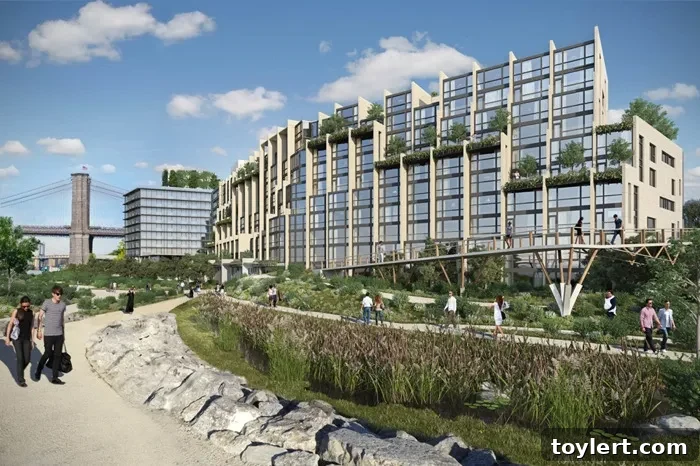
The Pierhouse condominiums, developed by the esteemed Toll Brothers, represent a significant benchmark in Brooklyn’s luxury real estate market. Nestled within the picturesque Brooklyn Bridge Park, these residences quickly became some of the most sought-after and priciest properties in the borough. While their market performance underscores the booming demand for high-end living in Brooklyn, their development has also sparked a crucial public debate, particularly concerning the preservation of iconic views and the integration of private development within public spaces.
Rapid Sales and Impressive Financial Projections
Since their sales launch in February, the Pierhouse condos have demonstrated remarkable market strength, with more than half of the units already under contract. This swift sales pace highlights the intense interest from buyers seeking premium properties in one of New York City’s most desirable waterfront locations. The rapid absorption of units, even at high price points, signals robust confidence in Brooklyn’s upscale housing market.
The financial figures associated with the Pierhouse project are equally compelling, reflecting the premium value of its prime setting. The average price per square foot for these exclusive residences stands at an impressive $1,850, firmly placing Pierhouse at the pinnacle of Brooklyn’s competitive luxury segment. Toll Brothers, a leading national builder of luxury homes, anticipates realizing at least $250,000,000 in revenues from this project upon its full completion and sell-out. This substantial financial return is projected against an initial investment of approximately $39,000,000 into the development, as executives disclosed during a recent earnings call. These financial insights were initially brought to light in a report by The Real Deal, underscoring the significant economic impact and expected profitability of this landmark venture.
Toll Brothers: A Name Synonymous with Luxury Development
Toll Brothers is a Fortune 500 company renowned for its commitment to building high-quality, luxury homes in prestigious locations across the United States. With a reputation built on superior design, craftsmanship, and a deep understanding of the discerning buyer’s needs, their foray into Brooklyn Bridge Park with Pierhouse was a strategic move. The project leverages the park’s unique blend of recreational amenities, stunning waterfront views, and convenient access to Manhattan, solidifying Toll Brothers’ position in the ultra-luxury urban development sector.
Architectural Design by Marvel Architects and the View Controversy
The Pierhouse development, conceptualized by the acclaimed Marvel Architects, was designed to be an integral part of the vibrant Brooklyn Bridge Park landscape. While still under construction, the project’s design has become a flashpoint for a significant preservationist debate. Central to this controversy is a three-story rooftop structure, intended to house mechanical systems crucial for the building’s operations. This architectural element, though functional, has unfortunately and unexpectedly obstructed historically cherished views.
Specifically, the rooftop addition has been found to block significant views of the iconic Brooklyn Bridge from the revered Brooklyn Heights Promenade. The Promenade, a beloved public space, has for decades offered residents and visitors unparalleled panoramic vistas of the Manhattan skyline, the Statue of Liberty, and, crucially, the majestic Brooklyn Bridge. The alteration of this protected view has sparked considerable public outcry and drawn sharp criticism from community advocates and preservation groups.
The Voices of Preservation: Otis Pearsall and The Brooklyn Heights Association
The opposition to the view obstruction has been led by prominent figures and organizations dedicated to preserving Brooklyn’s historical and aesthetic integrity. Among them, Otis Pearsall, a highly respected voice in the Brooklyn preservation community, and the Brooklyn Heights Association, a long-standing organization committed to safeguarding the neighborhood’s unique character, have been particularly vocal. Their concerns, which were previously highlighted in a September report, emphasize the critical conflict that arises when modern development impacts established public assets and historical perspectives.
The debate extends beyond mere visual intrusion; it delves into fundamental questions of urban planning ethics, the transparency of development review processes, and the delicate balance of interests between private developers and public welfare. Preservationists contend that the obstruction of such an iconic and publicly accessible view diminishes a collective cultural asset. They argue that rigorous planning and communication should have either prevented this outcome or, at the very least, ensured comprehensive public engagement before construction reached a point of no return. This incident highlights the need for heightened scrutiny and community input for developments impacting sensitive urban landscapes and historic view corridors.
Brooklyn’s Appeal: A Magnet for Luxury Real Estate Investment
The undeniable success of Pierhouse in the market is deeply intertwined with Brooklyn’s meteoric transformation into a global destination for luxury living. What was once considered a quieter, more residential alternative to Manhattan has evolved into a dynamic cultural powerhouse. Brooklyn now boasts a world-class culinary scene, a thriving arts and entertainment landscape, and diverse, charming neighborhoods that attract a sophisticated demographic.
Brooklyn Bridge Park itself offers an unparalleled lifestyle. Residents of Pierhouse benefit from direct access to a meticulously landscaped waterfront park, featuring a wealth of recreational opportunities, lush green spaces, and breathtaking vistas of the Manhattan skyline and New York Harbor. This unique blend of exclusive park-side living, state-of-the-art amenities, and convenient proximity to Manhattan positions Pierhouse as an exceptionally desirable address for discerning buyers seeking an elevated urban experience.
Navigating the Complexities of Urban Development
However, projects of Pierhouse’s scale and prominence also shed light on the inherent challenges of urban development, particularly in historically rich and densely populated areas. The ongoing tension between meeting the surging market demand for luxury housing and preserving invaluable public amenities, such as unobstructed iconic views, is a perennial theme in New York City’s ongoing evolution. Developers frequently face the formidable task of navigating intricate zoning regulations, conducting exhaustive environmental impact assessments, and, critically, managing the diverse expectations and concerns of local communities.
The Pierhouse view controversy serves as a compelling reminder that even highly successful developments, backed by substantial investment and architectural expertise, can encounter significant public resistance when they infringe upon cherished public assets. It underscores the vital necessity of transparent planning processes, robust and meaningful community engagement, and potentially more stringent regulatory guidelines for developments situated adjacent to, or within, public parks, especially those possessing profound historical and cultural significance. This delicate balance is crucial for fostering sustainable urban growth that respects both economic imperatives and community values.
The Future Landscape: Striking a Balance Between Profit and Preservation
As construction on the Pierhouse condominiums steadily progresses towards completion, and as the remaining units continue to find eager buyers at impressive rates, the project’s financial triumph appears to be firmly secured. Nevertheless, the shadows cast by the controversial rooftop structure over the iconic Brooklyn Heights Promenade will undoubtedly serve as a lasting symbol of the ongoing, nuanced dialogue between aggressive urban development and the imperative of historical preservation.
The Pierhouse saga is poised to significantly influence future urban planning decisions, not only within New York City but potentially in other major metropolitan areas facing similar growth pressures. It powerfully emphasizes the critical importance of foresight in architectural design, the indispensable necessity of thorough and transparent public review processes, and the intrinsic value that communities place on their shared heritage and the natural aesthetics of their environment. For Toll Brothers, Pierhouse stands as a remarkable financial success and a flagship luxury development that will undoubtedly enhance their portfolio. Conversely, for the dedicated preservationists and residents of Brooklyn Heights, it embodies a hard-fought battle over a cherished view—a powerful testament to the unwavering vigilance required to protect and preserve the city’s unique and irreplaceable character.
Ultimately, the narrative of Pierhouse is a rich, multifaceted story encompassing ambition, economic triumph, innovative architectural design, and fervent community activism. It eloquently encapsulates the dynamic, and often contentious, nature of urban development in one of the world’s most iconic and ever-evolving cities, leaving an indelible imprint on both its celebrated skyline and its collective civic consciousness.