Transforming a Fort Greene Brownstone: A Symphony of Historic Preservation and Modern Design
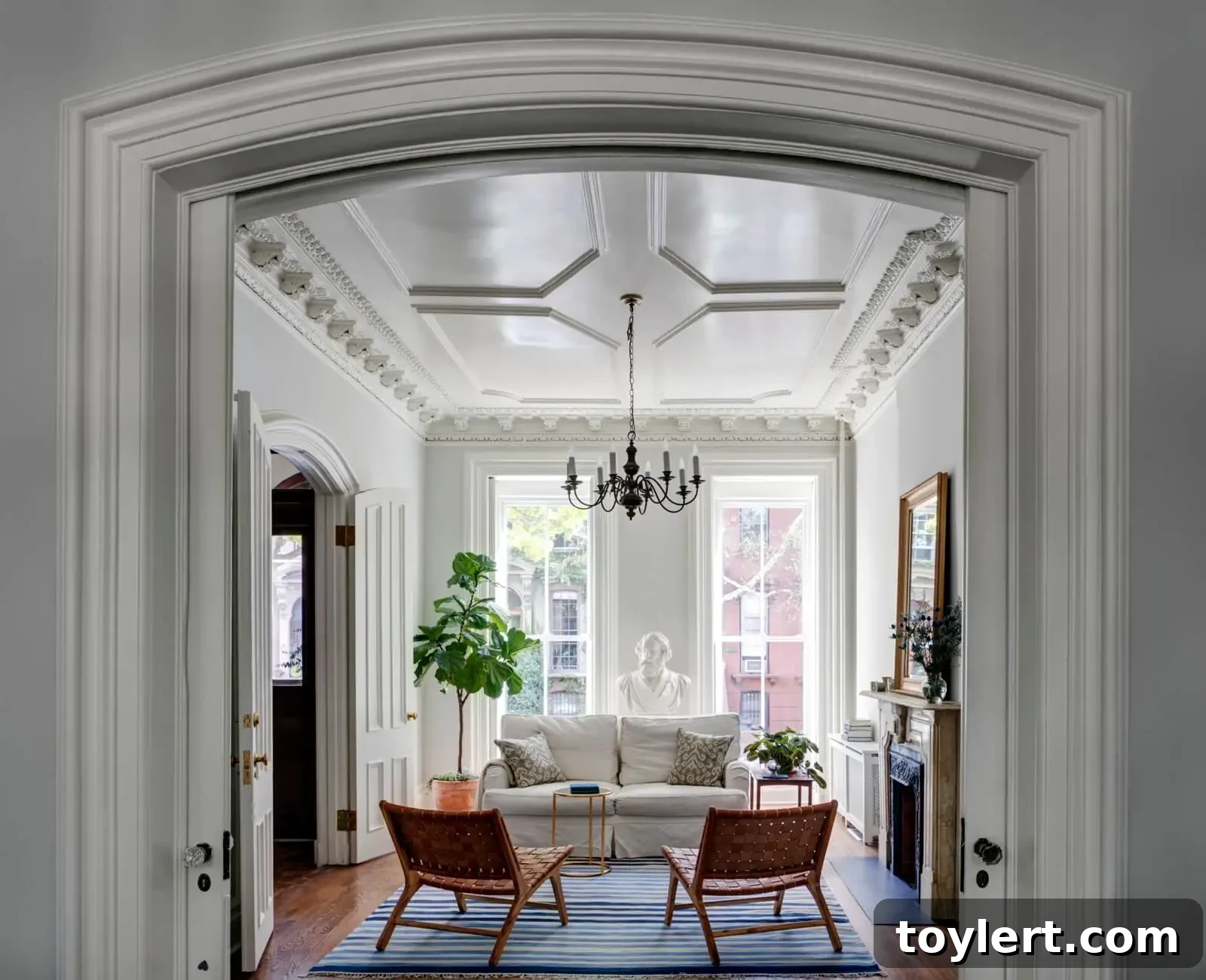
In the vibrant and historically rich neighborhood of Fort Greene, Brooklyn, a distinctive lower duplex within a classic brownstone co-op presented a unique opportunity for renovation. The current owners were immediately captivated by a singular, breathtaking feature: the elaborate and impeccably preserved plasterwork gracing the parlor-level ceiling. This exquisite detail became the heart of their vision, sparking a desire to honor the past while seamlessly integrating contemporary comfort and style. Architect Alexandra Barker, whose esteemed Gowanus-based firm, Barker Freeman Design Office, was entrusted with this ambitious project, recounted the owners’ initial enchantment: “They fell in love with it because of the elaborate, intact plasterwork on the parlor-level ceiling.”
While the building itself had seen better days, showing signs of wear inherent to its age, the grandeur of the ceiling remained miraculously untouched. “The building wasn’t in good shape, but miraculously, the ceiling was,” Barker affirmed, highlighting the fortunate state of this architectural treasure. The preservation of this intricate artwork was not just a desire but a guiding principle for the entire renovation. The team at Barker Freeman Design Office approached this element with profound reverence and meticulous care, ensuring that its historical integrity was maintained throughout every phase of the transformation.
The Unblemished Gem: Preserving Fort Greene’s Parlor-Level Plasterwork
The parlor-level ceiling, with its intricate plasterwork, stood as a testament to the craftsmanship and aesthetic sensibilities of a bygone era. In many historic Brooklyn brownstones, such delicate details are often lost or severely damaged over time. Finding a ceiling so elaborately detailed and yet so perfectly intact is a rare occurrence and an invaluable asset. For the architects and the homeowners alike, this was more than just a decorative feature; it was a living piece of history that demanded careful stewardship. The challenge lay in undertaking a comprehensive modernization of the duplex without compromising this irreplaceable historical anchor.
Alexandra Barker emphasized the team’s commitment: “We worked very carefully to try and preserve that ceiling.” This dedication involved strategic planning, precise execution, and a deep understanding of preservation techniques. Every structural modification, every new installation, had to be considered in relation to the ceiling’s fragility. Protecting it from dust, vibrations, and accidental damage during demolition and construction was paramount. This meticulous approach ensured that while the home was brought into the 21st century, its most cherished historical feature remained a vibrant link to its past, continuing to inspire awe and admiration. This careful balancing act is a hallmark of successful historic preservation, adding immeasurable value to the property and enriching the narrative of Fort Greene’s architectural landscape.
Barker Freeman Design Office: Masters of Historic Renovation and Modern Integration
The selection of Barker Freeman Design Office for this significant brownstone renovation speaks volumes about their expertise in navigating the complexities of historic properties. Located in Gowanus, Brooklyn, the firm has established a formidable reputation for its ability to infuse contemporary design and functionality into classic New York City residences, particularly brownstones. Their philosophy centers on a harmonious blend of old and new, ensuring that modern interventions respect and enhance the existing architectural fabric rather than overshadowing it. Their approach is rooted in understanding the unique character of each building, allowing them to craft bespoke solutions that celebrate history while embracing modern living.
For this Fort Greene duplex, their strategic vision extended beyond mere aesthetic upgrades. The project encompassed a complete overhaul of critical areas, including the installation of new kitchens and baths, the construction of a new staircase, and a substantial upgrade to the air conditioning system. These interventions were not isolated changes but part of a cohesive plan to improve livability, comfort, and the overall functionality of the duplex, all while staying true to the building’s heritage. The firm’s ability to tackle both the grand gestures, such as preserving the ceiling, and the intricate details of modern amenity integration positions them as leaders in Brooklyn’s specialized renovation landscape, capable of transforming properties into truly exceptional urban dwellings.
Elevating Interior Living: Kitchens, Baths, and Connectivity
A major focus of the renovation was to reimagine the interior spaces, particularly the high-traffic areas of the kitchen and bathrooms, and to improve the flow within the duplex through a new staircase. These changes were designed to meet the demands of modern urban living while integrating seamlessly with the brownstone’s character.
Modern Elegance for Culinary Spaces: The Kitchen Redesign
The kitchen, often considered the heart of a home, received a comprehensive redesign to transform it into a highly functional and aesthetically pleasing culinary hub. In historic homes, kitchens can often feel cramped or outdated, lacking the open-plan feel and efficient layouts desired today. Barker Freeman Design Office meticulously planned a layout that maximized space, improved workflow, and incorporated high-end appliances and finishes. The choice of materials—from bespoke cabinetry to sophisticated countertops and lighting—was carefully curated to strike a balance between contemporary chic and a timeless appeal that complements the brownstone’s traditional elements. Integrating smart storage solutions and ergonomic designs further enhances usability, making the space a joy for both everyday meals and entertaining. The new kitchen not only serves as a practical space for cooking and entertaining but also stands as a testament to thoughtful design, offering durability and style that will endure for years to come. This modernization significantly enhances the daily living experience for the residents, providing a bright, inviting, and highly efficient space tailored to their lifestyle.
Luxurious Sanctuaries: Refined Bathrooms
Similarly, the bathrooms underwent a complete transformation, evolving into luxurious sanctuaries designed for comfort and relaxation. In older buildings, bathrooms are frequently in need of substantial upgrades to meet current standards of plumbing, ventilation, and aesthetics. The design team focused on creating serene and functional spaces, utilizing contemporary fixtures, elegant tiles, and intelligent storage solutions. The challenge was to introduce modern amenities like walk-in showers, freestanding tubs, or dual vanities without disrupting the overall historical harmony of the duplex. By selecting materials that echoed the brownstone’s refined sensibility—perhaps classic subway tiles, marble accents, or fixtures with a vintage yet refined appeal—the new bathrooms achieve a spa-like quality that feels both current and deeply integrated into the home’s original charm. Attention to detail, from the vanity choices to the ambient and task lighting, ensures that these refreshed spaces contribute significantly to the home’s overall luxury and livability, providing a tranquil escape within the bustling city.
A Seamless Transition: Crafting a New Staircase
The introduction of a new staircase was a pivotal architectural move, addressing both aesthetic and functional needs within the duplex. In many multi-level brownstones, original staircases can be dark, narrow, or poorly positioned for modern flow. The architects designed a new staircase that not only improved vertical circulation but also became an architectural feature in its own right. Considerations included optimizing natural light, ensuring ergonomic comfort, and selecting materials that either mirrored the historic charm of the building or offered a striking, complementary modern contrast, such as sleek metal balustrades paired with warm wood treads. A well-designed staircase can dramatically enhance the sense of spaciousness and connectivity between floors, making the duplex feel more cohesive and open. This new element was conceived to seamlessly integrate into the renovated interior, becoming a natural conduit that visually and functionally links the different levels of the residence, while also being a beautiful design statement that reflects the home’s renewed sophistication.
Enhancing Comfort and Sustainability: Upgraded HVAC and Windows
Beyond the visible aesthetic changes, crucial upgrades were made to the home’s infrastructure to enhance comfort, energy efficiency, and sustainability. These improvements, though less glamorous than a new kitchen, are fundamental to modern living in a historic property and significantly impact its long-term value and environmental footprint.
The existing air conditioning system was thoroughly upgraded to meet contemporary standards of efficiency and performance. Integrating modern HVAC systems into old buildings often presents significant challenges, requiring careful planning to conceal ductwork and units without compromising historical features, such as the elaborate plaster ceiling. Barker Freeman Design Office expertly navigated these complexities, ensuring that the new system provides optimal climate control throughout the duplex while remaining discreetly integrated, perhaps utilizing slim-duct systems or strategically placed vents. This upgrade contributes significantly to the residents’ comfort year-round, making the home a truly pleasant retreat regardless of external weather conditions, and also reduces energy consumption, aligning with contemporary sustainability goals.
Complementing the HVAC upgrade, the installation of new windows was another vital component of the renovation. Old windows are frequently a major source of energy loss and noise infiltration in historic buildings, impacting both comfort and utility costs. The architects carefully selected and installed new windows that offered superior thermal performance, significantly improving insulation and energy efficiency. Furthermore, the aesthetic impact of new windows is immense; they can dramatically enhance natural light penetration, improve views, and restore the building’s exterior façade. The choice between historically accurate reproductions that maintain the original character and more contemporary, high-performance designs was carefully weighed to ensure that the new windows not only met efficiency goals but also respected the architectural integrity of the brownstone, contributing to both its beauty and its long-term sustainability. This thoughtful selection helps maintain the exterior charm while providing modern interior benefits.
Embracing the Outdoors: The Fire Escape Transformed into a Deck
One of the most innovative and impactful transformations in this Fort Greene duplex was the conversion of the rear fire escape into a functional outdoor deck on the parlor floor. In dense urban environments like Brooklyn, private outdoor space is a coveted luxury, offering a crucial connection to the outdoors and an extension of living areas. Traditionally, fire escapes serve a purely utilitarian purpose, often appearing as stark, metal structures that detract from a building’s aesthetic and offer no recreational value.
The ingenious decision to reimagine this space as a deck offered the owners a precious opportunity for outdoor living, dining, and relaxation. This significant architectural intervention involved careful structural analysis and design to ensure safety and compliance with building codes while creating an inviting extension of the interior living space. The new deck, perhaps constructed with durable, low-maintenance materials like composite decking or treated hardwoods, not only provides a private urban oasis but also enhances the perceived size and versatility of the parlor floor, allowing for a seamless transition between indoor and outdoor environments. This creative adaptation exemplifies Barker Freeman Design Office’s ability to find innovative solutions that maximize the potential of historic properties, transforming overlooked or purely functional elements into highly desirable features that greatly enhance the quality of life for the residents. It’s a testament to how intelligent design can unlock new possibilities within the constraints of existing structures, adding significant value and appeal to a brownstone property in Fort Greene.
The Art of Brownstone Renovation: Challenges and Triumphs
Undertaking a renovation of a historic brownstone in a vibrant neighborhood like Fort Greene is a complex endeavor, fraught with unique challenges but ultimately yielding profound rewards. These projects require more than just aesthetic vision; they demand a deep respect for historical context, meticulous planning, and skilled execution. From navigating stringent co-op regulations and securing necessary permits to addressing unforeseen structural issues common in older buildings, every step of the process requires expertise, adaptability, and a collaborative spirit between the homeowners, architects, and contractors.
Architectural firms like Barker Freeman Design Office excel in this niche by combining sophisticated design with practical problem-solving. They are adept at balancing the desire for modern amenities and open living spaces with the imperative to preserve original details, such as the elaborate plasterwork that captivated the owners of this duplex. The triumphs of such renovations lie in their ability to bridge centuries, creating homes that offer the charm and character of the past alongside the comfort and efficiency of contemporary living. The successful integration of new kitchens, bathrooms, HVAC systems, and the ingenious deck conversion, all while safeguarding irreplaceable historical elements, underscores the firm’s mastery in this specialized field. It is through such dedicated work that Brooklyn’s architectural heritage is not just preserved but continually revitalized for new generations, ensuring these magnificent structures remain relevant and cherished.
A Legacy Reimagined: The Fort Greene Duplex’s New Chapter
The comprehensive renovation of this Fort Greene brownstone duplex by Barker Freeman Design Office represents a stellar example of how thoughtful architectural intervention can breathe new life into a historic property. What began with the owners’ deep appreciation for an intact, elaborate parlor-level ceiling evolved into a holistic transformation that respects the building’s heritage while delivering a luxurious and highly functional modern home. The project successfully navigated the delicate balance between preservation and innovation, resulting in a residence that is both historically resonant and perfectly tailored for contemporary urban living.
From the painstaking efforts to protect the ornate plasterwork to the creative conversion of a fire escape into a private deck, every element of this renovation contributes to a narrative of renewal and thoughtful design. The updated kitchens and bathrooms offer sophisticated comfort, the new staircase enhances flow, and upgraded systems ensure year-round efficiency. This Fort Greene brownstone is now more than just a renovated duplex; it is a testament to the enduring appeal of Brooklyn’s architectural legacy, brilliantly reinterpreted for the 21st century. It stands as a vibrant, comfortable, and elegant dwelling, ready to embark on its next chapter, providing its owners with a beautifully crafted home that honors its past while embracing the future. The project underlines the invaluable impact of skilled architectural design in realizing the full potential of these cherished urban residences, making them enduring symbols of Brooklyn’s unique charm and modernity.