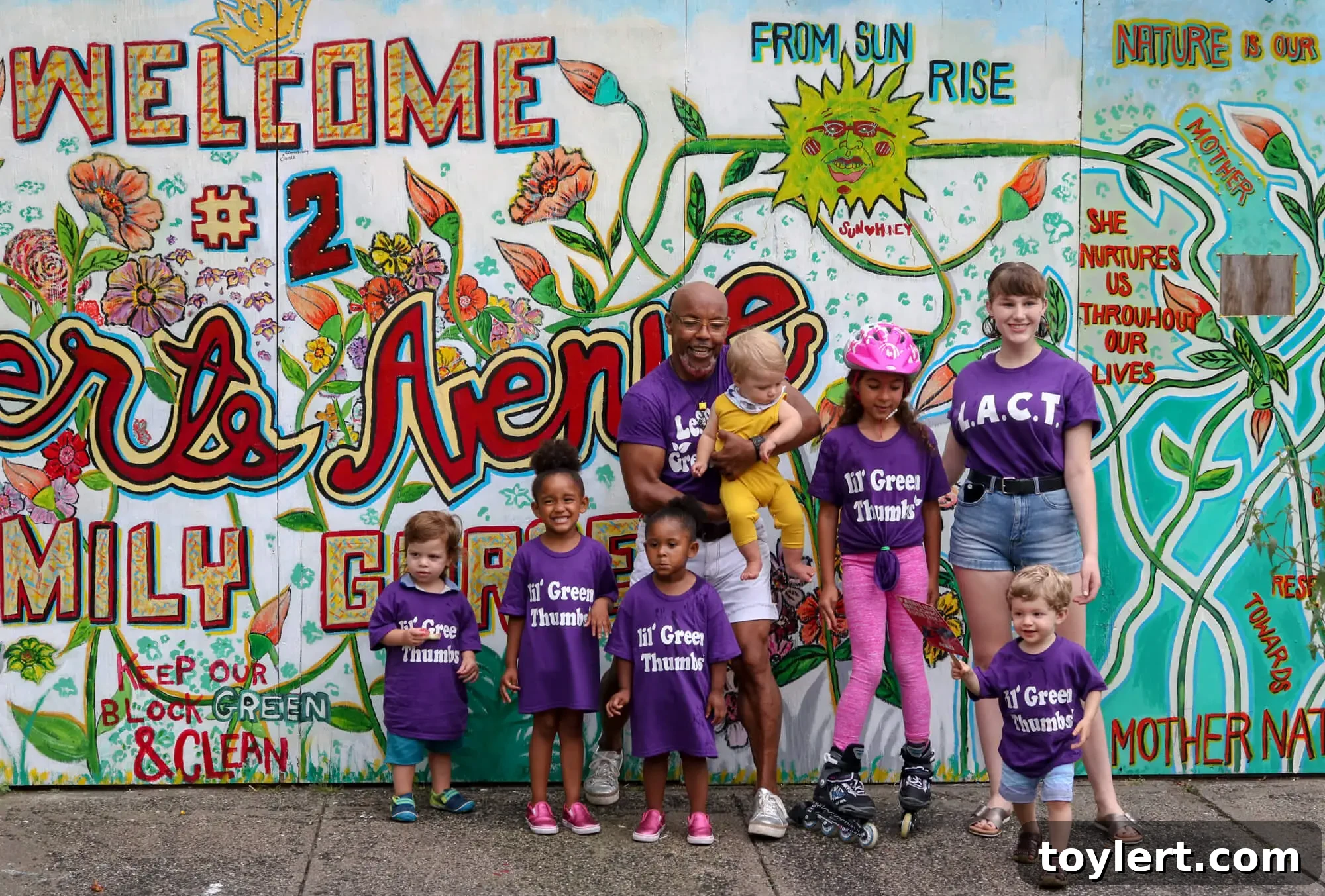
Lefferts Avenue Crowned Brooklyn’s Greenest Block in Prestigious Annual Contest
In a vibrant ceremony held this morning, Lefferts Avenue, specifically the stretch between Bedford and Rogers Avenues, was officially declared the winner of the 24th annual Greenest Block in Brooklyn contest. This highly anticipated announcement celebrates not just a visually stunning block, but the incredible dedication and collaborative spirit of its residents. The competition, an esteemed tradition hosted by the Brooklyn Botanic Garden, consistently strives to unite diverse communities, fostering a collective ambition to cultivate a cleaner, healthier, and undeniably greener Brooklyn.
Borough President Eric Adams, in his eloquent opening remarks at the press conference, highlighted the profound essence of the award. He emphasized that while the lush foliage and vibrant blooms are certainly breathtaking, the true heart of Lefferts Avenue’s success lies deeper. “It’s not only the greenery,” Adams stated, underlining a crucial point often overlooked in beautification efforts. “They would not be what they are without the people in the brick and mortar structures.” This sentiment resonates deeply with the core mission of the Greenest Block contest, recognizing that sustainable urban greening is fundamentally a human endeavor, built on the foundations of community engagement and shared responsibility.
The Genesis and Evolution of the Greenest Block in Brooklyn Contest
For nearly a quarter-century, the Greenest Block in Brooklyn competition has served as a powerful catalyst for neighborhood beautification and community building. Initiated by the Brooklyn Botanic Garden, a venerable institution renowned for its horticultural expertise and commitment to public education, the contest was designed to inspire residents to take pride in their immediate surroundings. Over the years, it has transformed countless streetscapes, converting asphalt jungles into verdant oases and fostering a sense of collective ownership among block residents.
The competition is more than just a beauty pageant for plants. It assesses various criteria, including the diversity and health of plantings, the creative use of space, sustainable gardening practices, and crucially, the level of community participation. Judges look for evidence of residents actively maintaining their gardens, sharing resources, and collaborating on block-wide projects. This holistic approach ensures that the winning block truly embodies the spirit of urban greening, demonstrating how a united community can dramatically enhance its local environment.
Lefferts Avenue: A Testament to Community-Driven Greenery
Lefferts Avenue’s victory is the culmination of years of diligent effort and an unwavering commitment from its residents. The block stands out for its meticulously maintained tree pits, overflowing with a diverse array of pollinator-friendly plants, colorful annuals, and resilient perennials. Window boxes burst with seasonal blooms, adding splashes of color to historic brownstones, while carefully curated container gardens adorn stoops and sidewalks, transforming public spaces into extensions of private gardens.
What truly sets Lefferts Avenue apart, however, is the visible hand of its community. Residents have not only dedicated countless hours to planting and watering but have also organized regular clean-up days, shared gardening tips, and even collaborated on a neighborhood composting initiative. This collaborative spirit has fostered a vibrant street life, encouraging neighbors to connect, share ideas, and build lasting relationships. The block isn’t just green; it’s alive with the energy of a community deeply invested in its shared environment.
Beyond the aesthetic improvements, the greening efforts on Lefferts Avenue contribute significantly to local biodiversity. The selection of native plants and species that attract bees, butterflies, and birds has created vital urban habitats, supporting ecological balance in a dense urban setting. This thoughtful approach to plant selection demonstrates an understanding of the broader environmental benefits that extend far beyond visual appeal, contributing to a healthier ecosystem for all.
The Indispensable Role of the Brooklyn Botanic Garden
As the long-standing host of the Greenest Block in Brooklyn contest, the Brooklyn Botanic Garden plays an instrumental role in nurturing urban greening initiatives across the borough. The Garden provides invaluable resources, workshops, and educational programs to participating blocks, offering guidance on everything from plant selection and soil health to water conservation and pest management. Their experts visit blocks, offering tailored advice and encouragement, empowering residents with the knowledge and confidence to transform their surroundings.
The Garden’s commitment extends beyond the contest itself. Through various outreach programs, it advocates for sustainable urban living, promoting the benefits of green spaces for both environmental health and human well-being. By shining a spotlight on exemplary blocks like Lefferts Avenue, the Brooklyn Botanic Garden inspires thousands of Brooklynites to embark on their own greening journeys, thereby multiplying the positive impact across the city. Their vision of a greener, more sustainable urban landscape is steadily becoming a reality, one block at a time, thanks to these vital initiatives.
Urban Greening: A Multifaceted Benefit for City Life
The success of the Greenest Block in Brooklyn contest and the remarkable achievements of communities like Lefferts Avenue underscore the myriad benefits of urban greening. These initiatives are far more than just aesthetic enhancements; they are crucial investments in the quality of life for city dwellers.
Environmental Advantages:
- Improved Air Quality: Plants absorb carbon dioxide and release oxygen, helping to filter pollutants from the air.
- Reduced Urban Heat Island Effect: Green spaces lower ambient temperatures, providing relief during hot summer months and reducing energy consumption for cooling.
- Enhanced Biodiversity: Planting diverse flora creates habitats for insects, birds, and small animals, contributing to a healthier urban ecosystem.
- Stormwater Management: Gardens and tree pits help absorb rainwater, reducing runoff and alleviating strain on municipal drainage systems.
Social and Community Benefits:
- Community Cohesion: Shared gardening projects foster collaboration, strengthen neighborly bonds, and build a sense of collective pride.
- Increased Safety: Well-maintained and vibrant public spaces often deter crime and encourage more pedestrian activity, making streets feel safer.
- Mental and Physical Well-being: Access to green spaces has been linked to reduced stress, improved mood, and opportunities for physical activity and relaxation.
- Educational Opportunities: Gardening provides hands-on learning experiences for children and adults about nature, sustainability, and horticulture.
Economic Impact:
- Property Value Enhancement: Beautifully landscaped blocks can increase property values and make neighborhoods more attractive to potential residents.
- Local Business Support: Vibrant streets with green spaces encourage foot traffic, benefiting local businesses and creating a more pleasant shopping environment.
- Tourism and Reputation: A city known for its green initiatives can attract more visitors and enhance its overall reputation as a desirable place to live and visit.
Lefferts Avenue’s triumph serves as a vivid illustration of these benefits in action. It demonstrates how a dedicated community, supported by institutional partners like the Brooklyn Botanic Garden, can create a tangible difference, transforming not just a street, but the very fabric of urban life.
Inspiring Future Green Initiatives Across Brooklyn
The story of Lefferts Avenue is more than just a localized success; it’s a beacon of inspiration for other blocks across Brooklyn and beyond. The Greenest Block in Brooklyn contest actively encourages other neighborhoods to observe and learn from the winners, providing a practical blueprint for their own greening projects. The competition proves that even in the densest urban environments, with passion and perseverance, any block can be transformed into a vibrant, sustainable, and welcoming space.
Residents interested in embarking on their own greening journeys are encouraged to reach out to the Brooklyn Botanic Garden for resources, workshops, and guidance. Whether it’s starting a small window box garden, revitalizing a tree pit, or organizing a block-wide clean-up and planting event, every effort contributes to the larger vision of a greener Brooklyn. The collective impact of these individual actions is immense, steadily improving the environmental health and aesthetic appeal of the entire borough.
Looking Ahead: Sustaining the Green Momentum
While the glory of winning the Greenest Block in Brooklyn title is significant, the true challenge and reward for Lefferts Avenue lie in sustaining its verdant beauty and community spirit in the years to come. This award is not an endpoint but a milestone, a testament to ongoing dedication. It reinforces the importance of continuous engagement, maintenance, and innovation in urban gardening.
The Brooklyn Botanic Garden and Borough President Eric Adams reiterated their commitment to supporting such initiatives, understanding that the future of Brooklyn’s urban landscape depends on fostering environmental stewardship at the grassroots level. As Brooklyn continues to grow and evolve, these green oases will become even more vital, serving as lungs for the city, sanctuaries for its residents, and powerful symbols of what can be achieved when communities come together for a common, beautiful cause.
Congratulations once again to the residents of Lefferts Avenue. Their hard work and collaborative spirit have not only made their block the greenest in Brooklyn but have also set an inspiring example for urban living everywhere.