The Enduring Battle for Prospect Park West: Bike Lane Controversy Reignites
The saga of the Prospect Park West bike lane in Brooklyn, a fixture of urban planning debates, has taken another unexpected turn. The proverbial “bike lane wars” are undeniably back on, with a recent ruling from the Appellate Division of the State Supreme Court breathing new life into a long-standing legal challenge. This contentious strip of asphalt, designed to foster safer cycling and traffic calming, has once again become the epicenter of a fierce dispute, pitting community groups, influential politicians, and the Department of Transportation against one another.
At the heart of the latest development is a judicial decision that requires a lower court to reconsider the original case, which had previously been dismissed. The initial dismissal was based on what was termed “technical grounds,” specifically the expiration of the statute of limitations. However, a coalition of bike-lane critics vehemently argued that this legal deadline should not apply, primarily because, in their view, the bike lane was always intended as a temporary installation. This argument, if successful, could fundamentally alter the legal landscape surrounding similar urban planning projects across New York City and beyond, emphasizing the critical distinction between temporary pilots and permanent infrastructure.
A Deep Dive into the Legal Labyrinth
The Appellate Division’s directive to revisit the case underscores the complex legal and procedural hurdles that urban infrastructure projects often face. The statute of limitations typically sets a strict deadline for filing lawsuits after a governmental action has been taken. The lower court initially sided with the city, suggesting that opponents had missed their window to challenge the bike lane’s implementation. However, the critics’ counter-argument—that if the lane was indeed temporary, the standard rules for challenging a permanent installation do not apply—has proven compelling enough to warrant a second look. This isn’t merely a semantic debate; it cuts to the core of how city agencies can introduce and evaluate changes to public spaces, and the level of public accountability required.
For bike lane opponents, this ruling represents a significant, albeit preliminary, victory. It means their substantive arguments against the lane – ranging from safety concerns to perceived negative impacts on traffic flow and quality of life – may finally get a full hearing in court. For supporters, it signifies a frustrating setback, prolonging a battle they believed had already been won, and casting a shadow of uncertainty over a piece of infrastructure they view as vital to public safety and sustainable transport in Brooklyn.
The Genesis of a Green Initiative: Transforming Prospect Park West
The Prospect Park West bike lane was initially installed several years ago as part of a broader city initiative to promote cycling as a viable mode of transportation and to enhance street safety. Before its implementation, Prospect Park West was a wide thoroughfare, predominantly serving vehicular traffic with three car lanes in each direction. The redesign, often referred to as a “road diet,” involved reducing the number of car lanes from three to two, effectively reallocating street space to create a dedicated, protected bike lane. This transformation was championed by advocates who envisioned a safer, calmer street for cyclists, pedestrians, and residents alike.
The philosophical underpinning of the road diet was simple: narrower car lanes often encourage lower speeds, and a dedicated bike lane provides a safe conduit for cyclists, separating them from faster-moving traffic. The goal was to reduce traffic accidents, mitigate speeding, and encourage more people to choose cycling over driving, thereby contributing to reduced carbon emissions and improved public health. It represented a modern approach to urban planning, prioritizing active transportation and quality of life over unchecked vehicular flow.
Advocates’ Stance: Safety, Sustainability, and Community Consensus
Supporters of the Prospect Park West bike lane consistently point to a variety of benefits since its installation. Chief among these is a documented reduction in speeding along the avenue. With the narrower car lanes and increased pedestrian and cyclist presence, drivers naturally tend to slow down, making the street safer for everyone. Furthermore, proponents argue that the lane has successfully encouraged a significant shift towards cycling, reducing overall car use in the area. This aligns with broader municipal goals for sustainability and reducing traffic congestion.
Crucially, the bike lane has garnered overwhelming support from local residents. Numerous surveys and impassioned testimonies at community board meetings have consistently shown that the majority of those living in the vicinity embrace the lane. Residents speak of a newfound sense of safety for their children, a more pleasant streetscape, and the environmental advantages of reduced reliance on automobiles. For many, the bike lane is not just a strip of pavement; it’s an embodiment of a progressive vision for urban living, fostering community well-being and a healthier environment.
Critics’ Counter-Arguments: Safety Concerns, Congestion, and Political Power
Despite the strong local support, the bike lane has faced persistent and well-organized opposition. Critics have consistently alleged that, contrary to the claims of supporters, the bike lane has actually led to an increase in accidents. While specific data can be debated, these concerns often center on potential conflicts between cyclists and pedestrians, or increased congestion in the remaining car lanes leading to more fender benders. Opponents also raise issues of increased traffic on parallel streets as drivers seek alternative routes, and challenges for emergency vehicle access, although these claims are often disputed by city officials.
Adding a significant political dimension to the debate, opponents have garnered some surprisingly powerful backers. Among them are Brooklyn Borough President Marty Markowitz, a long-serving and influential figure in local politics, and Iris Weinshal, a former New York City Department of Transportation (DOT) commissioner. Weinshal’s involvement is particularly notable given her past role in overseeing the city’s transportation infrastructure. Further amplifying the opposition’s voice, Weinshal is married to Senator Chuck Schumer, a prominent national political figure. The involvement of such influential individuals suggests that the opposition is not merely a grassroots movement but one with significant political leverage and resources, elevating the debate beyond typical neighborhood squabbles to a matter of high-profile political contention.
The critics’ argument about the lane’s “temporary” nature is also a cornerstone of their legal challenge. They contend that the DOT misrepresented the project as a pilot program, thereby circumventing more rigorous approval processes that would be required for a permanent infrastructure change. If proven, this could set a precedent regarding transparency and public engagement in urban planning decisions, potentially forcing city agencies to be more explicit about the long-term intentions of their projects.
The Broader Urban Context: A Microcosm of a Macro Debate
The Prospect Park West bike lane debate is not an isolated incident; it serves as a microcosm of similar “bike lane wars” playing out in cities across the globe. As urban centers strive to become more sustainable, livable, and equitable, the allocation of limited public space becomes a fiercely contested issue. The tension between vehicular traffic, pedestrian safety, and cycling infrastructure highlights fundamental questions about urban priorities.
These conflicts often expose deeper societal divides: commuters versus residents, drivers versus cyclists, local businesses versus city planners. The implementation of bike lanes frequently triggers discussions about property values, parking availability, business accessibility, and the very character of a neighborhood. The Prospect Park West case, with its legal battles, political maneuvering, and passionate community involvement, encapsulates the complexities inherent in modern urban redesign. It underscores the challenge of balancing diverse needs and visions for the future of city life.
The Road Ahead: Uncertainties and Implications
With the case now remanded to the lower court, the future of the Prospect Park West bike lane once again hangs in the balance. The upcoming proceedings promise to be a critical juncture, potentially delving into the specifics of the lane’s approval process, the validity of its “temporary” designation, and a thorough examination of its impact on traffic and safety. Regardless of the ultimate legal outcome, this prolonged battle will undoubtedly leave a lasting mark on urban planning policy in New York City.
It may compel the DOT to refine its processes for pilot projects versus permanent installations, enhancing transparency and community engagement from the outset. For residents, both supporters and opponents, the debate highlights the power of sustained advocacy and the enduring democratic struggle to shape one’s environment. As the legal wrangling continues, the Prospect Park West bike lane remains a poignant symbol of the ongoing transformation of urban landscapes, and the often-contentious journey towards a more sustainable and equitable future.
The “bike lane wars” on Prospect Park West are far from over, and their resolution will likely influence how similar initiatives are conceptualized, debated, and implemented across the city for years to come. The intersection of legal technicalities, political influence, and passionate community advocacy ensures that this Brooklyn thoroughfare will continue to be a focal point in the broader conversation about urban mobility and the evolving identity of our cities.
Flat Tire! PPW Bike Lane Suit Returns to Court[NY Observer]
Panel Rules PPW Bike Lane Suit Was Erroneously Tossed[NY Post]
Bike Lane Ruling [NY Supreme Court]
Prospect Park West Bike Lane Foes Appeal [Brownstoner]
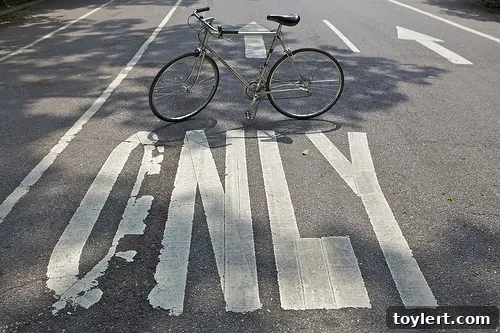
Photo by joefenstermaker