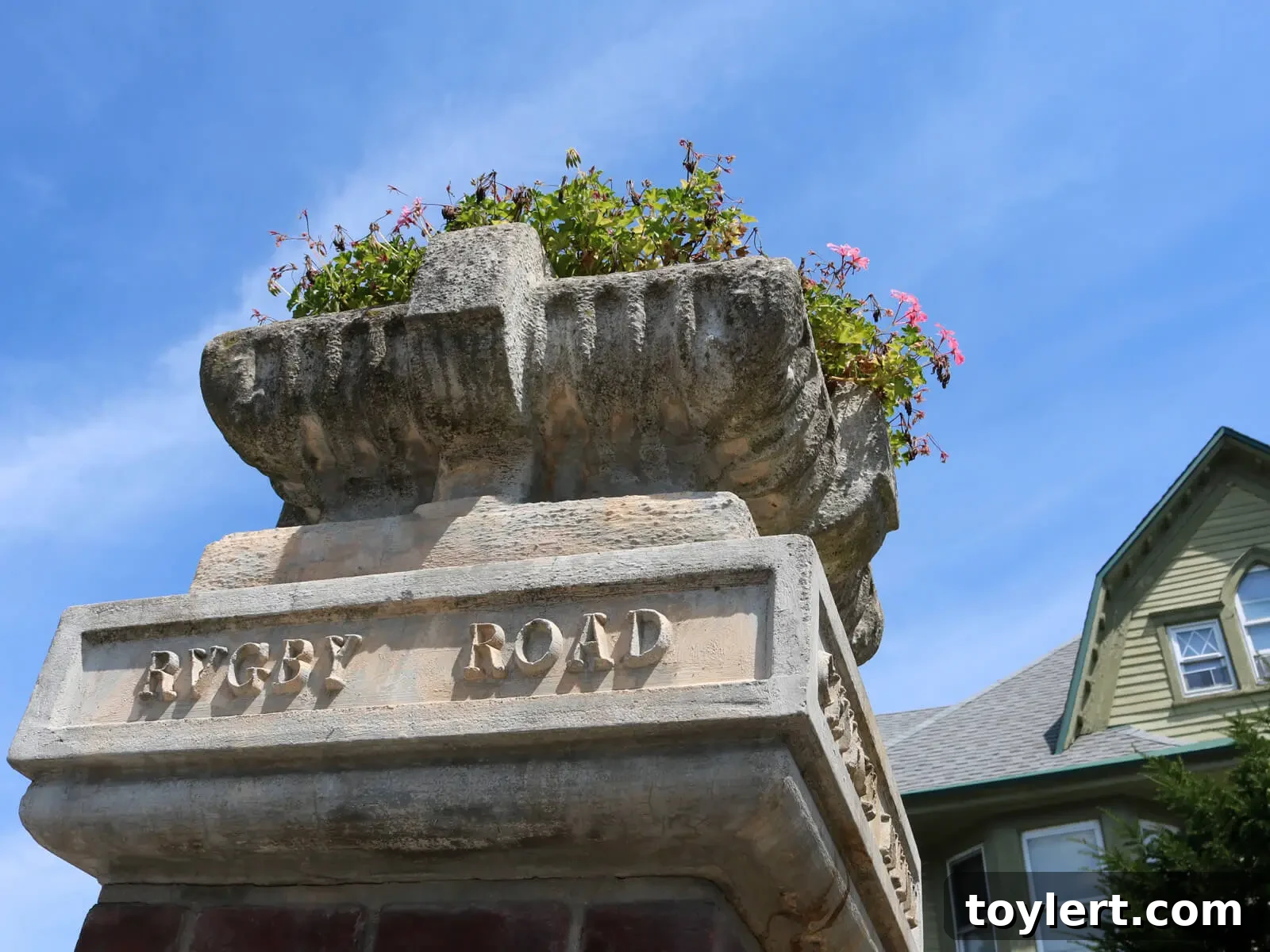
Discover the Historic Gateposts of Prospect Park South: A Glimpse into Brooklyn’s Architectural Heritage
Step back in time to an era when meticulous urban planning shaped Brooklyn’s most desirable residential enclaves. Among these, Prospect Park South stands out, not just for its picturesque homes but for the distinctive concrete and brick gateposts that define its very essence. These enduring markers invite residents and visitors alike into a neighborhood steeped in history and visionary design, offering a unique blend of urban convenience and suburban tranquility.
The Enduring Markers: Prospect Park South’s Iconic Gateposts
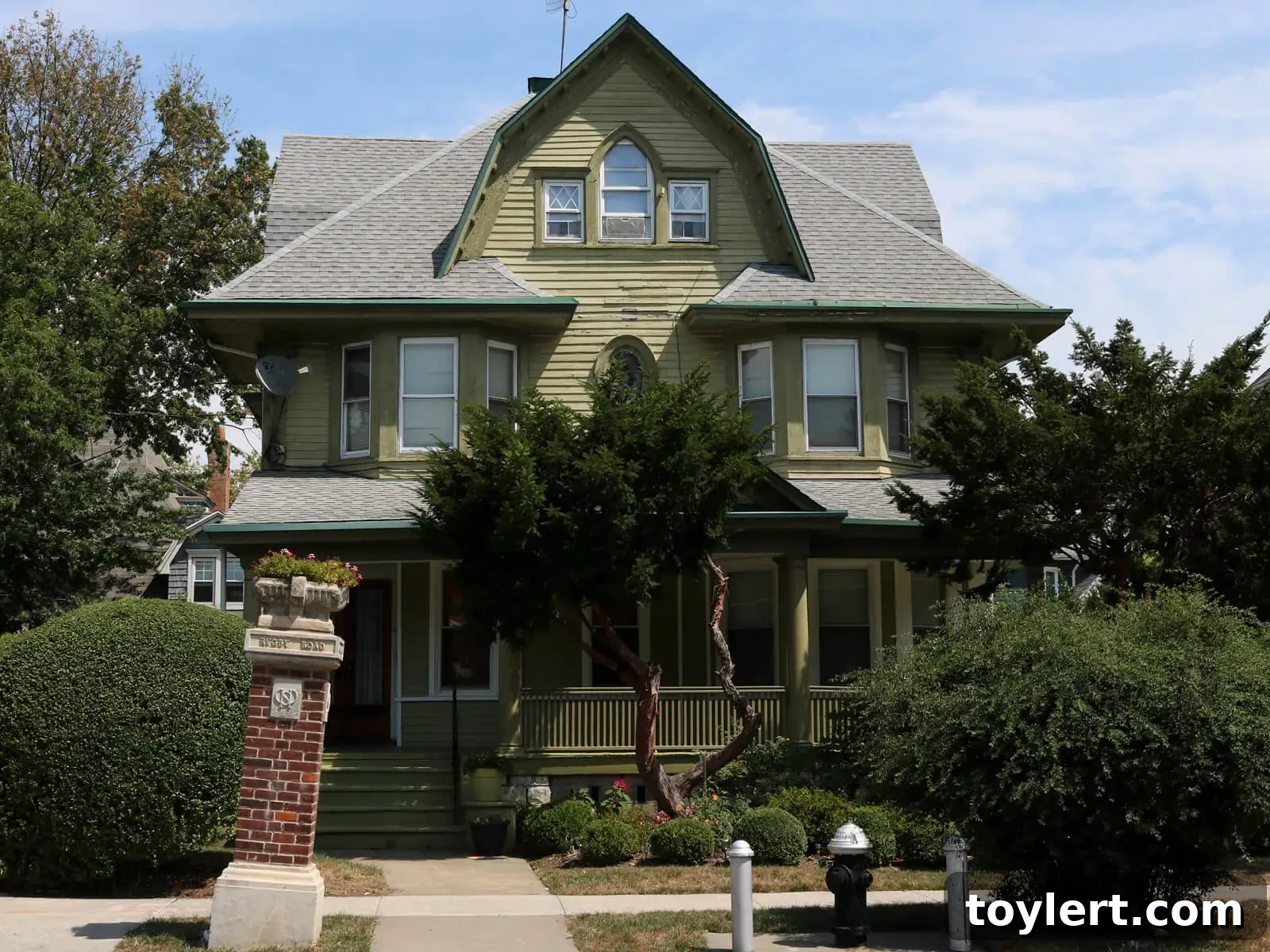
For those who wander through the leafy avenues of Prospect Park South, nestled within Brooklyn’s vibrant Flatbush neighborhood, the sight of its robust concrete and brick gateposts is often the first indication of entering a truly special place. More than mere decorative elements, these gateposts were meticulously installed by the pioneering developer, Dean Alvord, to delineate the ambitious perimeters of his new housing development. They serve as silent sentinels, guiding visitors into a meticulously planned community that has retained its unique character for over a century.
These architectural features are not just functional; they are integral to the aesthetic and identity of Prospect Park South. Crafted from sturdy materials, they convey a sense of permanence and quality, mirroring the grand residences they guard. Their presence immediately sets a tone, signaling a departure from the conventional city grid into a deliberately cultivated environment where every detail, from the street layout to the choice of building materials, contributed to Alvord’s overarching vision.
Dean Alvord’s Vision: A Rural Park within the City
Dean Alvord was a visionary. In an era of rapid urban expansion, his ambition was not simply to build houses, but to create an entire lifestyle. His concept for Prospect Park South, as he eloquently put it, was a “rural park within the limitations of the conventional city block and city street.” This pioneering philosophy drove every decision, from land acquisition to the intricate details of landscaping and architectural guidelines.
In 1899, Alvord began to transform this ambitious dream into a tangible reality, purchasing approximately 50 acres of land. His master plan diverged sharply from the typical urban grid. Instead of monotonous, straight streets, he meticulously designed a network of winding roads, gracefully divided by lush green parkways. These parkways were not merely decorative; they served as linear parks, bringing natural beauty and open space directly to the residents’ doorsteps, reinforcing the “rural park” ideal.
The development was conceived as an exclusive enclave of picturesque, single-family, detached houses. This was a deliberate choice to foster a sense of spaciousness and privacy, offering a serene escape from the bustling city while still being conveniently located. Alvord envisioned a community where grand homes, each with its own unique character, would be nestled within a verdant setting, creating an idyllic suburban experience right in the heart of Brooklyn.
Architectural Grandeur and Diverse Styles
Prospect Park South became a showcase for the architectural tastes of the late 19th and early 20th centuries. While Alvord set the overall tone and quality standards, he encouraged a diversity of styles, resulting in a fascinating collection of homes that contribute to the neighborhood’s enduring charm. You’ll find magnificent examples of Victorian architecture, including Queen Anne and Shingle Style residences, characterized by their elaborate detailing, turrets, stained glass, and wrap-around porches.
Alongside these Victorian treasures, the neighborhood also features stately Colonial Revival homes, with their classic symmetry and refined elegance, as well as distinctive Tudor Revival properties, identifiable by their half-timbering and steep gables. Each house, while unique, was built with an emphasis on quality craftsmanship and generous proportions, reflecting the affluence and aspirations of the original homeowners. This architectural variety, unified by Alvord’s vision for spacious plots and green surroundings, makes a stroll through Prospect Park South a journey through a living museum of American residential design.
The deliberate planning extended beyond individual homes. Alvord ensured that the development included ample open spaces, tree-lined streets, and thoughtful landscaping, all contributing to the cohesive and aesthetically pleasing environment. The wide avenues, often adorned with mature trees, provide a canopy that enhances the “rural park” feel, creating a tranquil atmosphere that belies its urban location.
A Precedent Set: Gateposts in Brooklyn’s Planned Communities
While Dean Alvord’s Prospect Park South stands as a monumental example of planned residential development, the use of gateposts to delineate such communities was not entirely new to Brooklyn. Indeed, the very concept of marking a distinct entrance to a private or semi-private development was a growing trend during the late 19th century, signifying exclusivity, order, and a deliberate departure from the public thoroughfare.
A notable precursor to Alvord’s development was the Tennis Court development, also situated in Flatbush. In 1886, Richard Ficken, another shrewd developer, installed his own set of brick gateposts to mark the entrance to this earlier planned community. Ficken’s initiative demonstrated a nascent understanding of how physical markers could define boundaries, create a sense of arrival, and foster an identity for a distinct residential area.
This historical context reveals a broader pattern in Brooklyn’s urban development: as the borough grew and expanded, developers sought innovative ways to differentiate their projects, attract discerning buyers, and establish a unique brand for their neighborhoods. Gateposts, with their solid construction and symbolic significance, became a popular architectural feature, conveying an immediate impression of a well-ordered, exclusive, and thoughtfully designed community. They acted as physical manifestations of a promise – a promise of a superior living environment distinct from the rest of the burgeoning city.
The Enduring Legacy of Prospect Park South
Over a century since its inception, Dean Alvord’s vision for Prospect Park South continues to thrive. The neighborhood has remarkably preserved its original character and architectural integrity, a testament to the foresight of its founder and the dedication of its residents. It remains one of Brooklyn’s most cherished and architecturally significant residential districts, often recognized for its grand homes and tranquil, park-like setting.
Today, Prospect Park South is not just a collection of beautiful houses; it is a vibrant community that cherishes its unique heritage. The initial concept of a “rural park within the city” is as relevant as ever, offering a sanctuary for those seeking spacious living, historical charm, and a strong sense of community. The gateposts, standing proudly at the perimeters, are more than just old stones; they are tangible links to a rich past, inviting new generations to appreciate and become part of this extraordinary Brooklyn legacy.
The neighborhood’s inclusion on various historic registers further underscores its importance, ensuring that its architectural gems and verdant streetscapes are protected for future generations. Preservation efforts by local residents and organizations play a crucial role in maintaining the distinctive ambiance that Alvord so carefully crafted. From meticulously restored Victorian mansions to the carefully tended green parkways, every aspect of Prospect Park South reflects a commitment to upholding its historic integrity while adapting to modern life.
Exploring Flatbush: A Haven of Architectural Gems
Prospect Park South is undoubtedly a crown jewel, but it is also part of the broader Flatbush area, a Brooklyn neighborhood rich with diverse architectural styles and historic developments. Flatbush boasts a fascinating tapestry of turn-of-the-century suburban experiments, each with its own story and unique design elements. Exploring this part of Brooklyn offers a deeper understanding of the borough’s growth and its architectural evolution.
From the grandeur of Prospect Park South to the more modest but equally charming historic blocks, Flatbush provides a captivating journey for architecture enthusiasts and history buffs alike. The efforts of developers like Alvord and Ficken laid the groundwork for communities that continue to be highly sought after, demonstrating the enduring appeal of thoughtful urban planning and distinctive residential design.
We encourage you to take your own stroll through these historic streets. Observe the varied architectural details, appreciate the lush landscaping, and reflect on the visionaries who shaped these unique urban landscapes. Each gatepost, each facade, and each tree-lined avenue tells a part of Brooklyn’s rich and dynamic story, waiting to be discovered.