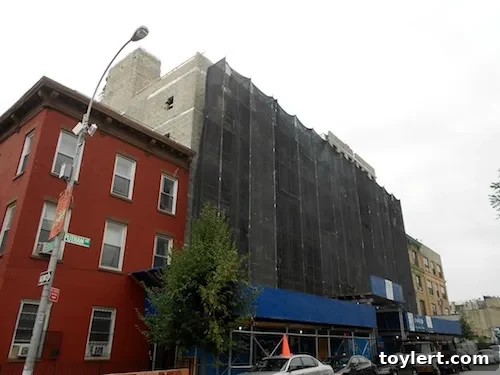
Rising Tides of Hope: Putnam Avenue’s Landmark Affordable Housing Development Nears Completion in Clinton Hill
In the heart of Clinton Hill, Brooklyn, a significant new chapter in community development is rapidly unfolding. The much-anticipated affordable housing development situated on Putnam Avenue, precisely between Irving Place and Downing Street, has proudly reached its full height, marking a crucial milestone in its construction journey. This development is not merely another building; it represents a beacon of hope and stability for dozens of families and individuals, poised to redefine a segment of the neighborhood’s social and economic fabric.
Upon its anticipated completion in mid-2013, this innovative project will introduce 58 much-needed residential units into one of Brooklyn’s most desirable and rapidly evolving areas. What sets this development apart is its thoughtful and inclusive approach to housing: a substantial portion, 34 units, are specifically reserved for formerly homeless individuals grappling with psychiatric issues, offering them not just shelter but comprehensive supportive services. The remaining 24 units are allocated for residents earning 50 percent of the Area Median Income (AMI), ensuring access to quality housing for working families and individuals struggling with Brooklyn’s high cost of living.
The Vision Behind Putnam Avenue: A Dual Approach to Affordable Living
The Putnam Avenue project embodies a progressive vision for urban housing, seamlessly blending two critical components: traditional affordable housing and vital supportive housing. This dual strategy addresses a broader spectrum of community needs, contributing significantly to reducing homelessness and fostering economic diversity within Clinton Hill.
Understanding Supportive Housing: A Foundation for Stability
The allocation of 34 units for formerly homeless people with psychiatric issues is perhaps the most impactful aspect of this development. Supportive housing is far more than just providing a roof over someone’s head; it integrates safe, affordable housing with essential support services tailored to individual needs. These services often include:
- Case Management: Personalized guidance and advocacy to navigate resources.
- Mental Health Services: Access to therapy, counseling, and medication management.
- Substance Abuse Treatment: Support for recovery and maintaining sobriety.
- Life Skills Training: Workshops on budgeting, cooking, cleaning, and personal care.
- Job Placement and Training: Assistance with employment searches and skill development to promote self-sufficiency.
- Community Integration: Programs designed to help residents connect with their neighborhood and build a support network.
For individuals who have experienced homelessness and struggled with mental health challenges, supportive housing offers a stable environment crucial for recovery and long-term well-being. It significantly reduces emergency room visits, hospitalizations, and interactions with the criminal justice system, proving to be a cost-effective and humane solution to complex societal issues. This proactive approach not only transforms individual lives but also creates a more compassionate and stable community for everyone.
Affordable Housing Demystified: The 50% AMI Threshold
The other 24 units are designated for individuals and families whose income falls at or below 50 percent of the Area Median Income (AMI). AMI is a figure calculated annually by the U.S. Department of Housing and Urban Development (HUD) for metropolitan areas, reflecting the median household income. In New York City, 50% AMI typically translates to incomes accessible to a wide range of essential workers, service professionals, and many others who find themselves priced out of the conventional housing market.
Securing an apartment within this category is often a highly competitive process, managed through a lottery system that aims to provide equitable opportunities. By setting aside these units, the Putnam Avenue development ensures that Clinton Hill remains a diverse and accessible neighborhood, countering the trend of gentrification that often displaces long-term residents and working families. This commitment to affordability strengthens the community’s fabric, promoting economic integration and opportunity.
A Landmark for Clinton Hill: Integrating into a Historic Neighborhood
Clinton Hill is celebrated for its tree-lined streets, historic brownstones, and vibrant community spirit. It’s a neighborhood that skillfully blends architectural heritage with contemporary urban living. The introduction of a new development of this scale naturally prompts discussions about its integration into the existing landscape. The vision for Putnam Court, as seen in earlier renderings, suggests a design intended to complement the area’s aesthetic while introducing modern amenities.
Projects like the one on Putnam Avenue are vital for maintaining the economic and social diversity that has historically defined Brooklyn. They help ensure that the growth and desirability of neighborhoods like Clinton Hill benefit all residents, not just a select few. This thoughtful expansion of housing options is essential for a city constantly balancing preservation with progress.
Community Collaboration and Addressing Concerns
New development projects, especially those involving affordable and supportive housing, often become focal points for community discussion and, at times, concern. Residents frequently raise questions about increased density, parking availability, traffic impact, and the integration of new populations. The developers of the Putnam Avenue project demonstrated a proactive commitment to transparency and community engagement.
As noted in reports from April, the development team actively engaged with local stakeholders and community members to address these concerns head-on. This kind of dialogue is invaluable, fostering trust and ensuring that community input shapes the project where possible. Addressing concerns early, through public meetings and direct communication, helps mitigate potential friction and builds a stronger foundation for the project’s successful integration into the neighborhood. It highlights the importance of collaboration between developers, city officials, and local residents to create projects that genuinely serve the community’s best interests.
From Blueprint to Reality: Construction Milestones and Future Outlook
The recent announcement that the building has “reached full height” signifies a momentous achievement in the construction process, often referred to as “topping out.” This means the structural framework of the building is complete, and attention will now shift dramatically towards interior work. The next phases will involve:
- Exterior Finishing: Installation of facades, windows, and roofing.
- Interior Fit-Out: Plumbing, electrical, HVAC systems, drywall, flooring, and fixture installation.
- Common Areas and Amenities: Development of shared spaces, laundry facilities, community rooms, and service offices.
- Landscaping: Creation of outdoor spaces, green areas, and pedestrian pathways.
- Final Inspections and Certifications: Ensuring the building meets all safety, accessibility, and zoning codes.
With an expected wrap-up in mid-2013, the timeline suggests a diligent and well-managed construction schedule. The completion will usher in a wave of new residents, invigorating the local economy and injecting new life into the Putnam Avenue corridor. For the future residents, it means the imminent arrival of a stable home, offering them the foundation to rebuild lives, pursue opportunities, and become integral parts of the Clinton Hill community.
The Broader Impact: More Than Just Buildings
The Putnam Avenue development stands as a testament to the ongoing efforts in New York City to tackle its perennial housing crisis. Projects that provide a mix of supportive and general affordable housing are crucial pieces of the puzzle, addressing both acute social needs and broader economic disparities. By offering dignified housing and essential services, this development contributes to:
- Poverty Reduction: Affordable housing frees up financial resources for families to invest in education, healthcare, and other necessities.
- Improved Health Outcomes: Stable housing is directly linked to better physical and mental health.
- Educational Attainment: Children living in stable homes often perform better in school.
- Economic Growth: Construction jobs, local spending by residents, and a more stable workforce contribute positively to the local economy.
This project on Putnam Avenue is more than concrete and steel; it’s an investment in human potential and community resilience. It reflects a commitment to building a more equitable and supportive Brooklyn, where opportunities for a stable, dignified life are within reach for a broader segment of the population.
Further Reading and Related Coverage
For those interested in tracing the journey of this significant development from its initial stages to its current progress, Brownstoner has provided extensive coverage. We encourage you to explore the following related articles:
- Developer Addresses Concerns on Putnam Project: A look into the crucial community dialogue that shaped aspects of the development.
- Meeting for Putnam Avenue Supportive Housing Project Tomorrow: Details on early community engagement efforts for the supportive housing aspect.
- Putnam Court, Rendered: Visualizations of what the completed building is expected to look like.
- Big Dig at Putnam Avenue Lot: Coverage of the initial groundbreaking and excavation work.
- Clinton Hill Affordable Build Going Up This Month: Early reports on the commencement of vertical construction.
- Clinton Hill Lot to Become Affordable Housing: The original announcement of the lot’s designation for affordable housing.