In the wake of unprecedented natural disasters, the resilience of communities is often tested, and the ability of local businesses to bounce back becomes a powerful symbol of recovery. Such was the case in Red Hook, Brooklyn, a vibrant waterfront neighborhood that bore the brunt of Hurricane Sandy’s destructive force in late 2012. The hurricane left a trail of devastation, submerging businesses, destroying vital equipment, and disrupting the very fabric of this tight-knit community. However, from the murky waters of the storm surge emerged a beacon of hope: the innovative use of social media and crowdfunding platforms by Red Hook’s beloved bars and restaurants, demonstrating an inspiring model for small business recovery in the digital age.
The immediate aftermath of Hurricane Sandy presented an overwhelming challenge for Red Hook establishments. Many small businesses, the lifeblood of the neighborhood’s charm and economy, found themselves without electricity, with ruined interiors, and essential equipment rendered irreparable. The path to reopening seemed daunting, with insurance claims slow and traditional loans often out of reach for businesses struggling to simply survive. It was in this moment of crisis that the entrepreneurial spirit of Red Hook, coupled with the power of modern digital platforms, truly shone through. Rather than succumbing to despair, these businesses turned directly to their most loyal patrons, friends, and the wider community, leveraging online fundraising tools to solicit the urgent support they desperately needed.
This grassroots movement highlighted a powerful shift in how communities could mobilize to support their local heroes. As DNAinfo reported at the time, businesses unable to reopen due to catastrophic equipment loss found an unexpected lifeline in the collective goodwill of their followers. The strategy was simple yet profoundly effective: appeal directly to the people who cherished these establishments for their unique atmosphere, delicious food, and welcoming hospitality. The response was nothing short of remarkable, transforming online pleas into tangible recovery funds and offering a blueprint for post-disaster aid that bypassed traditional channels.
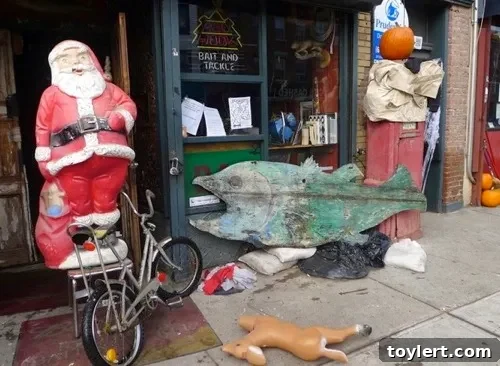
One of the shining examples of this community-driven recovery was Bait & Tackle, a quintessential Red Hook establishment pictured above. This popular local bar, known for its laid-back vibe and community gatherings, faced severe damage that threatened its very existence. Turning to Kickstarter, a pioneering crowdfunding platform, Bait & Tackle set an ambitious goal to raise funds for crucial repairs and equipment replacement. Their campaign resonated deeply with former patrons and admirers of Red Hook’s unique character. In an inspiring show of solidarity, the community rallied, contributing over $21,000, ultimately surpassing their initial goal by $1,000. This achievement wasn’t just about the money; it was a testament to the indelible mark Bait & Tackle had made on its regulars and the collective desire to see it thrive once more.
Similarly, The Good Fork restaurant, a beloved culinary gem in Red Hook, also sought assistance from its dedicated fanbase. Specializing in globally inspired comfort food, The Good Fork had cultivated a loyal following over the years. When Sandy struck, the restaurant suffered extensive damage, jeopardizing its ability to continue serving its much-loved dishes. They launched a campaign on GoFundMe.com, another prominent crowdfunding site, appealing for support to rebuild. The community’s response was overwhelming, with more than $41,000 raised towards their $50,000 goal. This significant sum underscored the deep emotional connection customers felt with the restaurant, viewing their contributions not merely as donations but as investments in the soul of Red Hook’s dining scene.
Other businesses adopted tailored approaches to suit their specific needs and customer bases. Kevin’s restaurant, another local favorite, leveraged LuckyAnt.com, a platform designed for small business fundraising, successfully securing $3,000 to aid in its recovery efforts. Meanwhile, the renowned Red Hook Lobster Pound, famous for its delectable lobster rolls and vibrant atmosphere, opted for a direct approach by issuing gift certificates via SmallKnot.com. This method allowed customers to pre-purchase future dining experiences, providing immediate capital while also ensuring customer loyalty upon reopening. These diverse strategies demonstrated the versatility of digital fundraising and how businesses could adapt them to their unique operational models and relationships with their clientele.
Perhaps one of the most creative and candid appeals came from Cafe and bar Fort Defiance. Known for its artisanal cocktails and comforting food, Fort Defiance introduced what it playfully dubbed “junk bonds.” These were essentially gift certificates, worth half their cost, sold directly through the establishment’s own website. The accompanying message was refreshingly honest and endearing: “It’s a terrible deal for you, but we really need the money!” This transparent and humorous plea resonated powerfully, transforming a straightforward transaction into an act of genuine solidarity. Customers weren’t just buying future drinks; they were investing in the survival of a cherished community hub, fully aware of the urgency and the mutual benefit of their support. This approach highlighted the critical role of authenticity and direct communication in digital fundraising.
The success of these Red Hook businesses in harnessing online platforms for recovery offers profound insights into modern community resilience and small business support. Firstly, it underscores the immense power of a tight-knit community. Red Hook is not just a collection of streets and buildings; it’s a neighborhood with a strong sense of identity and mutual support. When its businesses faced existential threats, the community instinctively rallied, recognizing that the survival of these establishments was integral to the neighborhood’s overall recovery and spirit.
Secondly, the transparency and urgency conveyed through these campaigns were crucial. Businesses were open about their devastation, sharing photos and stories that evoked empathy and a desire to help. This authenticity built trust and motivated immediate action. Patrons felt a direct connection to the plight of their favorite spots, and the ability to contribute with just a few clicks made the act of giving incredibly accessible and immediate.
Thirdly, social media played an indispensable role in amplifying these efforts. Beyond simply facilitating donations, platforms like Facebook, Twitter, and Instagram allowed patrons to share campaign links, spread awareness, and encourage their networks to contribute. This organic amplification extended the reach of these fundraising drives far beyond Red Hook’s geographical boundaries, tapping into a broader network of sympathetic individuals who might have visited the neighborhood or simply admired its plucky spirit. The emotional appeal was undeniable: people wanted to see their beloved local haunts not just survive, but thrive again.
The Red Hook experience following Hurricane Sandy provided a compelling case study for a new model of disaster recovery for small businesses. It demonstrated that in times of crisis, digital tools can empower communities to bypass traditional, often slower, bureaucratic aid systems and directly inject vital funds where they are most needed. It showcased the enduring strength of local economies, proving that the heart of a community often beats strongest in its small, independently owned businesses.
Looking back, the innovative fundraising efforts by Red Hook restaurants and bars were more than just about financial recovery; they were about rebuilding morale, reaffirming community bonds, and demonstrating an inspiring resolve. The collective action taken by patrons to save their cherished local spots became a powerful narrative of hope and resilience, echoing far beyond the confines of Brooklyn. It served as a testament to the power of human connection, amplified by technology, in overcoming adversity and ensuring that the unique character of places like Red Hook could not only endure but emerge stronger.
The story of Red Hook’s post-Sandy recovery through crowdfunding continues to serve as an important lesson for communities worldwide. It highlights the importance of fostering strong local connections, the strategic use of digital platforms for community support, and the unwavering spirit of small businesses that form the backbone of our neighborhoods. The recovery was not just about concrete and steel; it was about the collective will to preserve the soul of Red Hook, one donation, one gift certificate, and one shared link at a time, proving that even in the face of immense destruction, a community united by its love for its local establishments can truly achieve anything.