Red Hook Pool’s Summer Drowning: Broken Pipe Forces Closure, Igniting Community Fury
by Kirstyn Brendlen, Brooklyn Paper
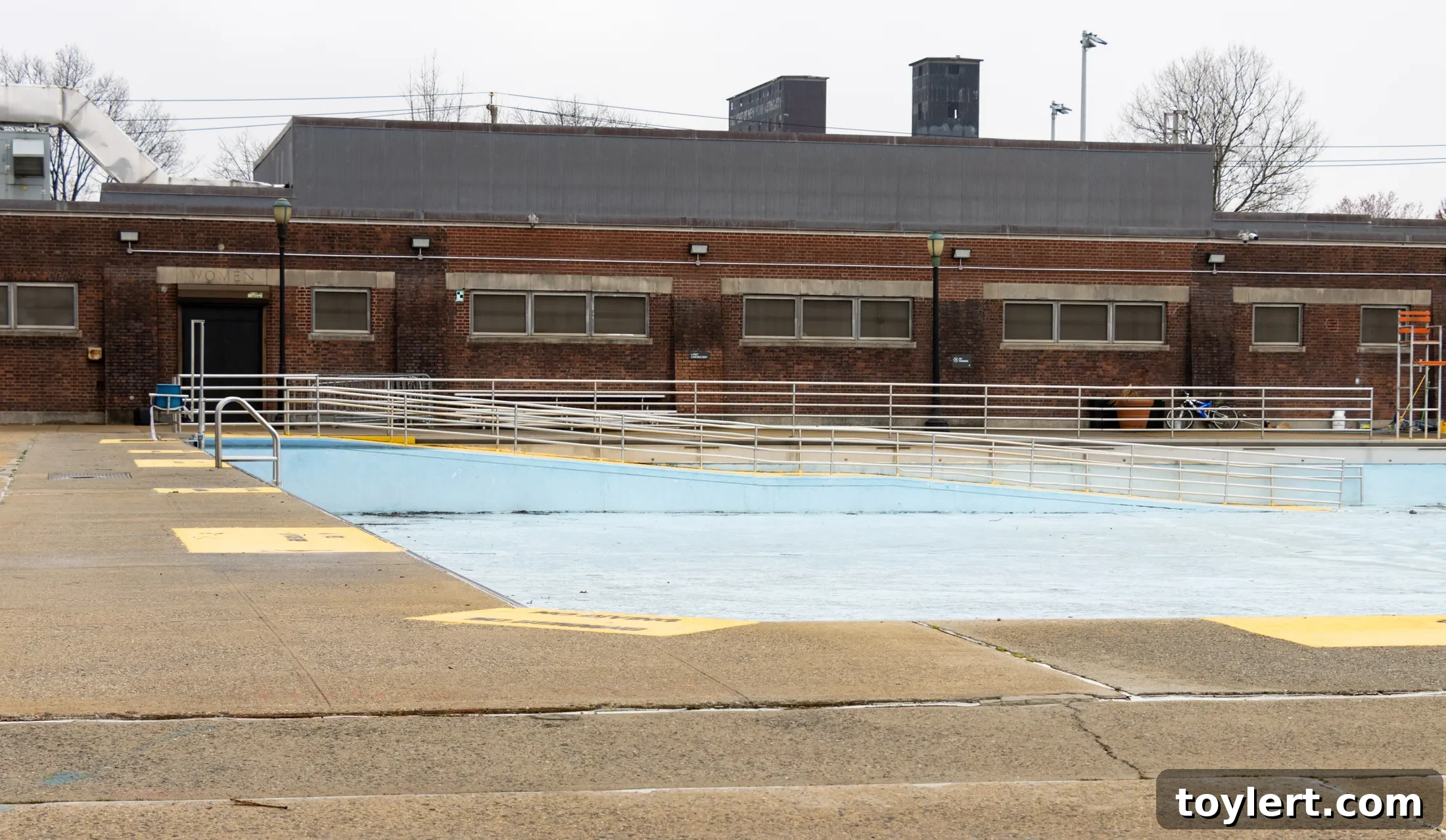
The highly anticipated summer season in Red Hook, Brooklyn, has been met with significant disappointment as the beloved Red Hook Pool is forced to close for the majority of the summer due to a severe broken pipe. This abrupt shutdown, discovered just days before its scheduled June 27th opening, has left Red Hook residents feeling “steamed,” as their plans for cooling off and recreation are suddenly washed away.
For many families and individuals in the vibrant Red Hook neighborhood, the public pool is more than just a place to swim; it’s a vital community hub, a reprieve from the oppressive city heat, and a source of affordable recreation during the warmest months. The news of its extended closure has thus sent ripples of frustration and concern throughout the area, highlighting the critical role public amenities play in urban life.
The Heartbreaking Discovery: Summer Hopes Dashed
The unfortunate issue came to light during routine preparations for the summer season. According to Council Member Alexa Avilés, crews were in the process of filling the massive basin with water, gearing up for what was expected to be a bustling summer, when the problem became apparent. A significant water leak indicated a serious structural integrity issue, specifically a broken pipe, within the pool’s complex filtration and circulation system. The New York City Parks Department promptly informed Council Member Avilés’s office about the discovery, but at the initial stages, the full gravity and repair timeline of the problem were not immediately clear.
The timing of this discovery couldn’t have been worse. With the official start of summer and the promise of scorching temperatures just around the corner, residents were eagerly awaiting the pool’s opening. For weeks, children had been dreaming of splashing and playing, while adults looked forward to a refreshing escape from their daily routines. The sudden announcement effectively extinguished these hopes, leaving a void in the community’s summer planning and raising questions about the maintenance and readiness of public facilities.
A Summer Without a Splash: The Profound Community Impact
The Red Hook Pool is not merely a recreational facility; it serves as a cornerstone of the community, particularly during the hot Brooklyn summers. For countless families, it represents an accessible and free option for children to learn to swim, stay active, and socialize in a safe environment. It’s also a crucial cooling center, providing relief for seniors, families without air conditioning, and anyone seeking refuge from the city’s notorious heatwaves. The closure means hundreds, if not thousands, of residents will lose this essential resource, forcing them to seek alternatives that may be less convenient, more expensive, or simply non-existent within their immediate vicinity.
The impact extends beyond mere inconvenience. For children, the pool closure can mean a summer with fewer opportunities for physical activity and structured play, potentially leading to increased screen time or a greater sense of boredom. Parents, many of whom rely on the pool for free childcare and entertainment, now face the challenge of finding new ways to keep their kids engaged and cool. Small businesses in the Red Hook area, which often see increased foot traffic from pool-goers, may also experience a downturn. The collective disappointment is palpable, as residents voice their frustration over the loss of a cherished community amenity at the time it’s most needed.
Navigating the Repair Nightmare: Official Responses and Challenges
Following the initial discovery, the NYC Parks Department launched an investigation to ascertain the exact nature and extent of the damage. Repairing a significant broken pipe within a large public pool’s infrastructure is a complex undertaking, often requiring extensive excavation, specialized equipment, and skilled labor. Such repairs are not only time-consuming but also costly, potentially running into hundreds of thousands, if not millions, of dollars, depending on the pipe’s location and the necessary structural work. Council Member Alexa Avilés has been vocal about the issue, working closely with the Parks Department to expedite the assessment and find the quickest possible resolution.
However, the timeline for such repairs often stretches beyond a few weeks, especially with the logistical challenges of city projects. The Parks Department is tasked with balancing the urgent need for repair with the intricate process of securing permits, allocating funds, and coordinating construction teams. The initial lack of clarity regarding the severity of the problem underscores the difficulty in assessing underground infrastructure issues without invasive measures. As the summer progresses, the pressure on city officials to provide concrete answers and a definitive repair schedule intensifies, with residents demanding transparency and accountability for the sudden closure.
Beyond the Pool: Examining Brooklyn’s Aging Public Infrastructure
The incident at the Red Hook Pool serves as a stark reminder of the broader challenges facing New York City’s public infrastructure. Across the five boroughs, many essential facilities – from roadways and bridges to water pipes and recreational centers – date back decades, if not a century, and are in constant need of maintenance, repair, and upgrades. Aging infrastructure is susceptible to wear and tear, and while routine maintenance aims to prevent major failures, unexpected issues like a broken pipe can arise with little to no warning, leading to significant disruption and costly emergency repairs.
This situation prompts critical questions about funding for infrastructure projects and the city’s proactive versus reactive approach to maintenance. Is enough being invested in preventative measures to ensure that vital public services, like community pools, remain operational? Or are resources primarily allocated to fixing problems only after they manifest? The Red Hook Pool’s closure highlights the vulnerability of these essential community assets and underscores the need for robust, long-term infrastructure investment plans that prioritize the upkeep and modernization of facilities that directly impact the quality of life for New Yorkers.
Seeking Solace and Solutions: Community Mobilization and Future Prospects
In response to the devastating news, the Red Hook community has quickly mobilized, expressing collective disappointment and demanding action. Online petitions have begun circulating, local community boards are discussing the issue, and residents are taking to social media to share their frustration and seek information. Parents are particularly vocal, advocating for temporary solutions or alternative arrangements to mitigate the impact on their children’s summer experiences. The incident has galvanized the community, transforming a local problem into a rallying cry for improved public services and infrastructure investment.
Looking ahead, the focus will undoubtedly shift to not only the immediate repair but also to long-term solutions for the Red Hook Pool. Residents and local leaders will likely push for comprehensive assessments of the pool’s entire system to prevent future breakdowns. Furthermore, discussions may arise about the potential for interim solutions, such as providing access to other nearby public pools via shuttle services, or establishing temporary cooling zones within the neighborhood. While a swift reopening for this summer seems unlikely, the community’s resolve to ensure the pool’s full functionality for future seasons remains strong, alongside a desire for greater transparency and communication from city agencies.
Finding Alternatives: Adapting to a Pool-Less Summer in Red Hook
With the Red Hook Pool out of commission, residents are left to seek alternative ways to beat the summer heat and enjoy recreational activities. While no single option can fully replace the expansive facilities and community spirit of the pool, nearby splash pads and smaller water features in local parks might offer some temporary relief for younger children. Brooklyn boasts several other public pools, such as the pools in Sunset Park or Park Slope, though reaching them often requires travel and can become a logistical challenge for families relying on public transport or those with limited mobility.
Community centers and libraries in Red Hook may also step up to offer additional programming or air-conditioned spaces during peak heat. Local businesses and non-profits could potentially organize special events or provide resources to help residents adapt. However, these alternatives often come with their own limitations in terms of capacity, cost, or accessibility, underscoring the irreplaceable role that a large, free public pool like Red Hook plays in serving a diverse urban population. The community’s resilience will be tested as they navigate this pool-less summer, but their collective spirit and advocacy for their cherished public spaces will undoubtedly remain vibrant.
The closure of the Red Hook Pool is more than just an inconvenience; it’s a profound disruption to the fabric of a community that relies on its public spaces for recreation, health, and social cohesion. As the summer sun beats down on Brooklyn, residents of Red Hook will be looking to their city leaders for swift action, clear communication, and a renewed commitment to maintaining the vital infrastructure that makes urban living enjoyable and equitable for all.