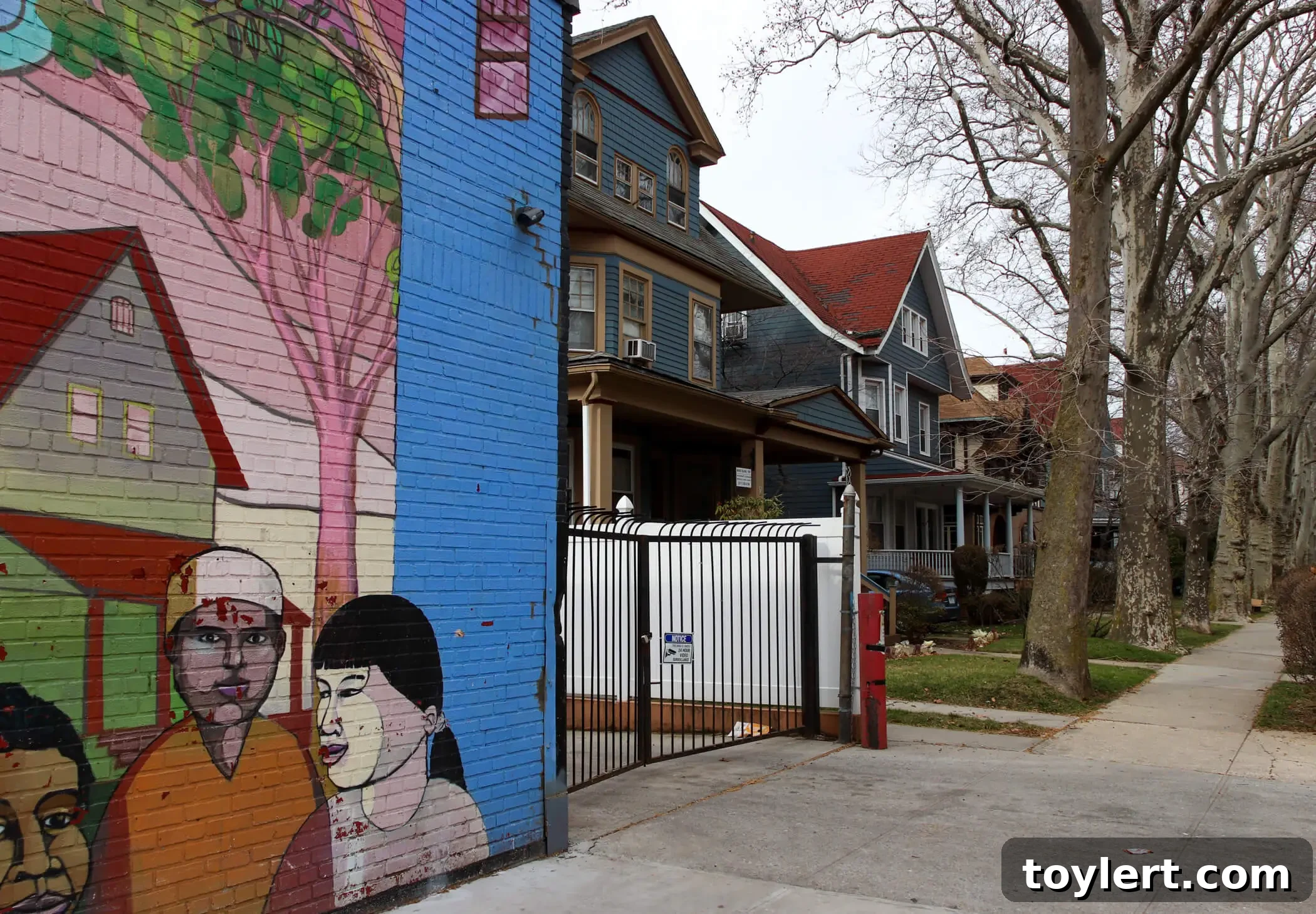
In the News: Navigating the Latest Developments in Brooklyn and New York City
New York City, particularly the borough of Brooklyn, is a microcosm of constant evolution, innovation, and community spirit. From critical policy debates and significant urban development projects to fascinating local anecdotes and the ever-changing culinary landscape, the city’s pulse is always vibrant. This comprehensive overview delves into recent headlines, offering a deeper look at the stories that matter to residents and observers alike, structured for clarity, relevance, and an engaging reading experience.
Brooklyn’s Dynamic Real Estate and Housing Landscape
The housing market in New York City remains one of its most defining characteristics, consistently presenting both challenges and opportunities. Recent news highlights the ongoing struggle for affordability, legislative efforts to protect tenants, and the relentless pace of urban development.
The Quest for Affordable Living: Seeking a Studio in Downtown Brooklyn
The search for affordable housing in New York City is a perennial challenge, especially in desirable areas like Downtown Brooklyn. A recent New York Times feature underscored the prevailing market conditions, detailing the quest for a studio apartment priced under $400,000. This article brought into sharp focus the immense pressure on buyers and renters in one of the city’s most rapidly developing neighborhoods. Downtown Brooklyn has transformed dramatically over the past decade, attracting new businesses, residents, and a surge of luxury high-rises. However, beneath the gleaming new constructions, the demand for accessible housing options remains incredibly high, prompting many to consider creative financing solutions or compromise on space and amenities. This narrative reflects a broader conversation about urban affordability and the future of diverse economic populations within burgeoning city centers, where even a studio apartment represents a significant investment.
Battling Winter Evictions: Senator Myrie’s Push for Tenant Protection
In a city where housing security is paramount, legislative actions aimed at protecting tenants are always in the spotlight. Brooklyn Senator Zellnor Myrie is a key figure in this fight, pushing for a significant bill designed to prevent winter evictions. This proposed legislation addresses a critical vulnerability for many New Yorkers, particularly during the coldest months when displacement can lead to severe hardship and even life-threatening situations. The bill aims to provide a safety net, ensuring that families are not forced out of their homes when conditions are most unforgiving. Myrie’s initiative is part of a larger movement advocating for stronger tenant rights and greater housing stability across the state. It highlights the ongoing tension between landlords and tenants, and the crucial role of local government in mediating these complex relationships to foster a more equitable urban environment.
Williamsburg’s Continuous Transformation: 130 Hope Street Nears Completion
Williamsburg, a neighborhood synonymous with transformation and trendy urban living, continues its relentless pace of development. The construction at 130 Hope Street is nearing completion, signaling yet another addition to the area’s evolving skyline. Projects like this contribute to the increasing density and modernization of Williamsburg, bringing new residential units and commercial spaces to a highly sought-after area. While such developments often come with discussions about gentrification and changes to neighborhood character, they also represent the city’s continuous growth and its efforts to accommodate a burgeoning population. The completion of 130 Hope Street is more than just a new building; it’s a tangible marker of Williamsburg’s enduring appeal and its ongoing role as a dynamic hub within Brooklyn’s diverse urban fabric, attracting new residents and shaping local commerce.
The Shifting Sands of NYC Millionaire Migration and Tax Implications
New York City’s tax base and economic health are often tied to its wealthiest residents. A report from the New York Times recently addressed concerns about millionaires moving out of the city, reassuring readers that “there are still plenty left.” This news piece provides crucial insight into the economic resilience of New York City, even as debates around taxation and wealth distribution continue. The departure of some high-net-worth individuals, often influenced by tax policies or lifestyle changes, raises questions about the city’s future revenue streams and its ability to fund essential public services. However, the data suggests that New York remains a magnet for the affluent, due to its unparalleled economic opportunities, cultural attractions, and global status. This ongoing narrative underscores the complex interplay between economic policy, migration patterns, and the financial stability of one of the world’s leading economic centers.
Community Life, Culture, and Local Governance in Brooklyn
Beyond the concrete and commerce, Brooklyn thrives on its vibrant communities, unique cultural expressions, and the everyday stories that shape local life. From unexpected wildlife encounters to passionate civic engagement, the borough consistently offers compelling narratives.
A Furry Tale from Prospect Park: The Alligator’s Unlikely Journey
In a story that captured national attention, an alligator rescued from Prospect Park made headlines when an X-ray revealed it had swallowed a tub stopper. This unusual incident, reported by the New York Times, highlighted the incredible work of animal rescue teams and the unique challenges of urban wildlife management. The alligator’s presence in a popular urban park sparked curiosity and concern, leading to its safe capture and transfer to the Bronx Zoo for care. This tale serves as a quirky reminder of the unexpected encounters that can occur in a bustling metropolis and the dedicated efforts to protect both humans and animals. It also sparked conversations about responsible pet ownership and the ecological balance within urban green spaces, proving that even in a concrete jungle, nature can surprise us in the most extraordinary ways.
Red Hook’s Library Lament: Two Years of Closure and Community Frustration
Local institutions are the lifeblood of many Brooklyn neighborhoods, and their temporary loss can spark significant community outcry. Residents of Red Hook recently expressed their frustration over the two-year closure of their local library for renovations. The Brooklyn Paper reported on the community’s distress, underscoring the vital role libraries play as educational hubs, social gathering spots, and access points for resources. For many, a local library is more than just a place to borrow books; it’s a critical component of neighborhood identity and a lifeline for those without home internet access or quiet study spaces. The extended closure, while necessary for long-term improvements, creates a significant void for Red Hook residents, emphasizing the need for clear communication and alternative resources during such periods of transition.
Celebrating Diversity: “Trees of Little Caribbean” Opens at Brooklyn Botanic Garden
Brooklyn’s rich cultural tapestry is continually celebrated through diverse initiatives. The Brooklyn Botanic Garden recently unveiled “Trees of Little Caribbean,” an exhibition reported by BK Reader that highlights the botanical heritage of the Caribbean diaspora in Brooklyn. This exhibition is more than just a display of plants; it’s a cultural bridge, connecting visitors to the vibrant history and traditions of the Little Caribbean neighborhood. By showcasing flora native to the region and explaining their cultural significance, the Botanic Garden fosters a deeper appreciation for biodiversity and human heritage. Such initiatives play a crucial role in promoting cultural understanding and celebrating the myriad communities that contribute to Brooklyn’s unique identity, enriching the city’s educational and cultural landscape.
The Unseen Battles: Drama in Local Buy Nothing Groups
Community generosity meets online friction in the world of “Buy Nothing” groups, as highlighted in a recent Curbed article, revealing “a war going on in your local Buy Nothing group.” These hyper-local digital communities, designed for gifting and sharing items, often face unexpected challenges related to etiquette, perceived fairness, and personal boundaries. While the intention behind these groups is noble – fostering sustainability and community bonds – the reality can sometimes devolve into interpersonal conflicts and disagreements over perceived rules or conduct. This phenomenon sheds light on the complexities of online community management and the delicate balance required to maintain a spirit of generosity amidst varying expectations. It’s a compelling look at how digital platforms influence local social dynamics and the human element within sharing economies.
Economic Shifts and Urban Infrastructure
The operational backbone of New York City relies heavily on its infrastructure and economic stability. Recent news points to critical discussions around utility costs and public transportation funding, impacting millions of residents and businesses.
Rising Utility Costs: The Looming Con Edison Rate Hike
New Yorkers are bracing for a potential increase in their utility bills as a rate hike is in the pipeline for Con Edison customers, as reported by The City. This development is a significant concern for households and businesses already navigating high costs of living and inflation. Utility rate adjustments are often driven by factors such as infrastructure investments, operational expenses, and energy market fluctuations. While Con Edison argues these increases are necessary to maintain and modernize its vast network, residents often feel the brunt of such hikes, impacting their discretionary spending and overall financial stability. The looming rate increase sparks important conversations about energy policy, regulatory oversight, and the city’s commitment to ensuring affordable and reliable access to essential services for all its inhabitants.
MTA Paratransit: Hochul’s Proposed Budget Transfer and its Implications
Public transportation is a lifeline for New Yorkers, and discussions around its funding are always critical. Governor Hochul is reportedly looking to transfer the MTA’s paratransit budget to the city, a move that could have significant implications for disabled residents and the city’s fiscal responsibilities. Paratransit services provide crucial accessible transportation for individuals who cannot use traditional subway or bus systems. A shift in budgetary responsibility could impact service quality, funding allocation, and administrative oversight, raising concerns among disability advocates and city officials. This proposal highlights the ongoing debates about funding public services, inter-agency cooperation, and the commitment to ensuring equitable access to transportation for all segments of the New York City population, particularly its most vulnerable citizens.
Brooklyn’s Vibrant Culinary Scene
Brooklyn’s reputation as a culinary hotspot continues to grow, with new establishments and beloved classics expanding their reach across diverse neighborhoods, offering exciting flavors and dining experiences.
From Motor City to Prospect Heights: Jet’s Pizza Makes Its Brooklyn Debut
The Brooklyn food scene is always welcoming new flavors and expanding its offerings. Jet’s Pizza, a Detroit-style pizza chain known for its deep-dish square pies, recently opened its first Brooklyn location in Prospect Heights, as reported by the Brooklyn Paper. This expansion signifies the growing appeal of diverse regional cuisines within the borough and caters to a local palate that appreciates both innovative and classic comfort foods. The arrival of Jet’s Pizza adds another dimension to Prospect Heights’ already rich dining landscape, offering residents a new option for casual dining and takeout. It also speaks to the broader trend of national and regional chains recognizing the unique market and demographic appeal of Brooklyn neighborhoods, further cementing the borough’s status as a culinary destination.
A Taste of History: A Chinatown Favorite Expands to Williamsburg
The migration of iconic establishments across boroughs often signals evolving culinary trends and demographic shifts. A Chinatown favorite since the 1970s recently opened a new outpost in Williamsburg, according to Eater. This expansion brings a beloved and time-honored culinary tradition to a new generation of diners in one of Brooklyn’s most dynamic neighborhoods. Such moves are often driven by changing demographics, rising rents in traditional areas, and the desire to tap into new markets. It allows classic eateries to maintain their legacy while adapting to the city’s constant evolution. For Williamsburg, it means an opportunity to experience authentic, long-standing flavors, enriching its already diverse gastronomic offerings and creating a bridge between different cultural enclaves within New York City.
In conclusion, New York City and Brooklyn continue to be epicenters of change, challenge, and cultural dynamism. From the nuanced complexities of urban development and housing affordability to the heartwarming tales of community spirit and the exciting evolution of its culinary landscape, the city offers an endless stream of stories. These recent headlines collectively paint a picture of a metropolis in perpetual motion, adapting to new realities while holding onto its unique character and vibrant pulse. Staying informed on these developments is key to understanding the intricate fabric of urban life in one of the world’s most iconic cities.