Red Hook Rises: Residents Demand Justice Amidst Post-Sandy Housing Crisis
In the aftermath of the devastating Hurricane Sandy, communities across New York City grappled with unimaginable challenges. Few areas felt the storm’s brutal impact as profoundly as Red Hook, Brooklyn, a low-lying neighborhood especially vulnerable to coastal flooding. Weeks after the hurricane, while much of the city began its slow crawl back to normalcy, residents of the sprawling Red Hook Houses public housing complex found themselves in an untenable and alarming situation: living without the most basic necessities – heat, hot water, or electricity. This prolonged deprivation, stretching for more than two weeks, ignited a powerful wave of community activism, culminating in urgent demands for accountability from their landlord, the New York City Housing Authority (NYCHA).
The Unbearable Plight of Red Hook Houses Residents
The conditions faced by thousands of Red Hook Houses residents were nothing short of a humanitarian crisis. As November wore on, temperatures dropped, making the lack of heat a serious health hazard, particularly for the elderly, young children, and those with pre-existing medical conditions. Apartments became frigid, damp boxes, forcing families to bundle up indoors, wear multiple layers, and resort to makeshift solutions to stay warm. The absence of hot water meant no proper bathing, sanitization, or dishwashing, raising concerns about hygiene and the potential spread of illness.
Electricity outages compounded these miseries. Refrigerators became useless, leading to widespread food spoilage and significant financial losses for families already struggling. Medical devices requiring power lay dormant, posing direct threats to residents’ well-being. Darkened stairwells and hallways increased safety risks, especially for those navigating multiple floors. Beyond the physical discomfort, the psychological toll was immense. The feeling of abandonment and neglect deepened with each passing day, fostering a growing sense of frustration and anger among the community.
NYCHA’s Failure: A Systemic Breakdown in Post-Disaster Response
The most infuriating aspect of this prolonged crisis for Red Hook residents was NYCHA’s perceived inaction and inadequate response. According to reports, even two weeks after Hurricane Sandy made landfall, a staggering 20 out of 32 Red Hook Houses buildings remained without heat or hot water. This represented a colossal failure in disaster preparedness and recovery efforts for one of the city’s largest public housing landlords.
Perhaps the most egregious oversight highlighted by residents was NYCHA’s failure to conduct timely wellness checks. It was not until 15 days after the hurricane that the agency reportedly performed a door-to-door check on the project. This significant delay meant that vulnerable residents, some potentially isolated and in desperate need of assistance, were left unaided for far too long. Critics argued that this lapse demonstrated a profound disregard for the safety and well-being of its tenants, pointing to a systemic issue within the authority’s emergency protocols and communication channels.
A United Front: Community Meeting Sparks Action
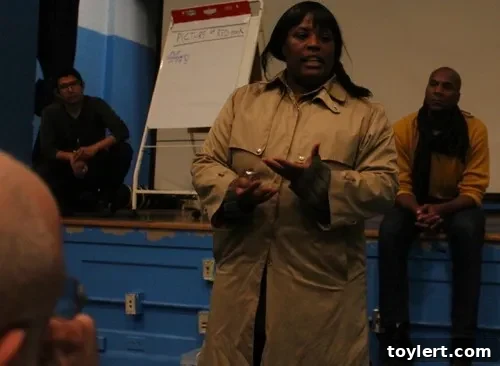
The mounting frustration reached a boiling point on a Wednesday night when approximately 150 people converged at P.S. 27 for a critical community meeting. This gathering was a testament to the resilience and solidarity of the Red Hook community. Attendees represented a diverse cross-section of the neighborhood, including dedicated Red Hook Houses residents, local artists, small business owners, members of the activist group Occupy Sandy, Community Board 6 representatives, and influential church leaders. The sheer breadth of participation underscored the widespread impact of the crisis and the collective determination to seek redress.
The atmosphere in the meeting was charged with both anger and resolve. Stories of hardship were shared, reinforcing the collective suffering and solidifying the community’s demand for immediate and decisive action. Discussions quickly turned from recounting grievances to strategizing effective forms of resistance and advocacy. The calls for action were clear, bold, and multifaceted: demonstrations to visibly protest the conditions, a coordinated rent strike to exert financial pressure, and the exploration of a lawsuit to legally compel NYCHA to fulfill its obligations and compensate for damages.
Demanding Visibility: The Power of Public Demonstrations
The proposal for demonstrations was a direct response to the feeling of being unseen and unheard by NYCHA and city officials. Residents understood that public marches and protests could draw much-needed media attention to their plight, force political leaders to acknowledge the crisis, and put direct pressure on NYCHA to accelerate repairs and provide support. The sight of united residents marching through their neighborhood or towards NYCHA offices would send a powerful message that their suffering would no longer be tolerated in silence. These actions aimed to transform individual grievances into a collective outcry that could not be ignored.
Exerting Pressure: The Strategy of a Rent Strike
Perhaps the most potent and controversial call to action was for a rent strike. A rent strike is a powerful form of tenant advocacy where residents collectively refuse to pay rent until their landlord addresses egregious living conditions. For the Red Hook Houses residents, this was a strategic move aimed at hitting NYCHA where it hurts financially. The rationale was simple: if NYCHA failed to provide habitable living conditions, it should not expect to collect rent. While rent strikes carry legal risks for tenants, the dire circumstances and the perceived negligence of NYCHA propelled residents to consider such a drastic measure, underscoring the depth of their desperation and their unwavering commitment to securing basic human rights.
Seeking Justice: The Path Towards Legal Action
The third pillar of the community’s strategy involved exploring legal avenues. Tina Luongo, a prominent Red Hook resident and Deputy Attorney-in-Charge for Legal Aid’s criminal practice, confirmed that Legal Aid was actively investigating the possibility of filing a lawsuit against NYCHA. This move signaled a serious escalation, shifting the fight from public protest to the courtroom. A lawsuit would seek to hold NYCHA legally accountable for its failures to provide essential services, potentially demanding compensation for damages incurred by residents, and compelling the agency to implement systemic changes to prevent future crises. The involvement of Legal Aid provided residents with expert legal guidance, legitimizing their claims and offering a concrete path toward justice.
Beyond Red Hook: Broader Implications for Public Housing and Disaster Preparedness
The crisis at Red Hook Houses following Hurricane Sandy transcended a local dispute; it cast a harsh spotlight on systemic vulnerabilities within public housing infrastructure and disaster response protocols across New York City and potentially other urban centers. The long-term lack of essential utilities exposed the critical need for robust emergency plans tailored for public housing communities, many of which are home to low-income and vulnerable populations.
This incident sparked crucial conversations about resilience planning, the necessity of redundant utility systems, and the importance of direct and immediate communication channels between housing authorities and their tenants during emergencies. It highlighted the fundamental right to safe and habitable living conditions, even in the wake of natural disasters, and the vital role of tenant advocacy groups in holding powerful institutions accountable. The Red Hook Houses’ struggle became a symbol for public housing residents citywide, emphasizing that their voices, their safety, and their well-being must be prioritized in all disaster preparedness and recovery strategies.
A Call for Accountability and Lasting Change
The defiant stance taken by the Red Hook Houses residents – their calls for demonstrations, rent strikes, and lawsuits – was not merely an expression of anger; it was a powerful demand for accountability and a desperate plea for the recognition of their fundamental rights. Their collective action sent a clear message to NYCHA and city officials: the Red Hook community would not be silenced, nor would it passively endure neglect.
The outcome of their fight would not only shape the future of the Red Hook Houses but also set a precedent for how public housing authorities respond to crises and uphold their responsibilities to their tenants. This community’s struggle for heat, hot water, and electricity in the cold aftermath of Hurricane Sandy became a poignant example of grassroots activism driving change and ensuring that the most vulnerable populations are not forgotten in times of crisis.
Red Hook Residents Call for Marches, Strikes, Lawsuits Against NYCHA [DNAinfo]
Photo by DNAinfo