A Blend of Past and Future: Historic Clinton Hill Home Transforms with Passive House Technology at 40 Cambridge Place
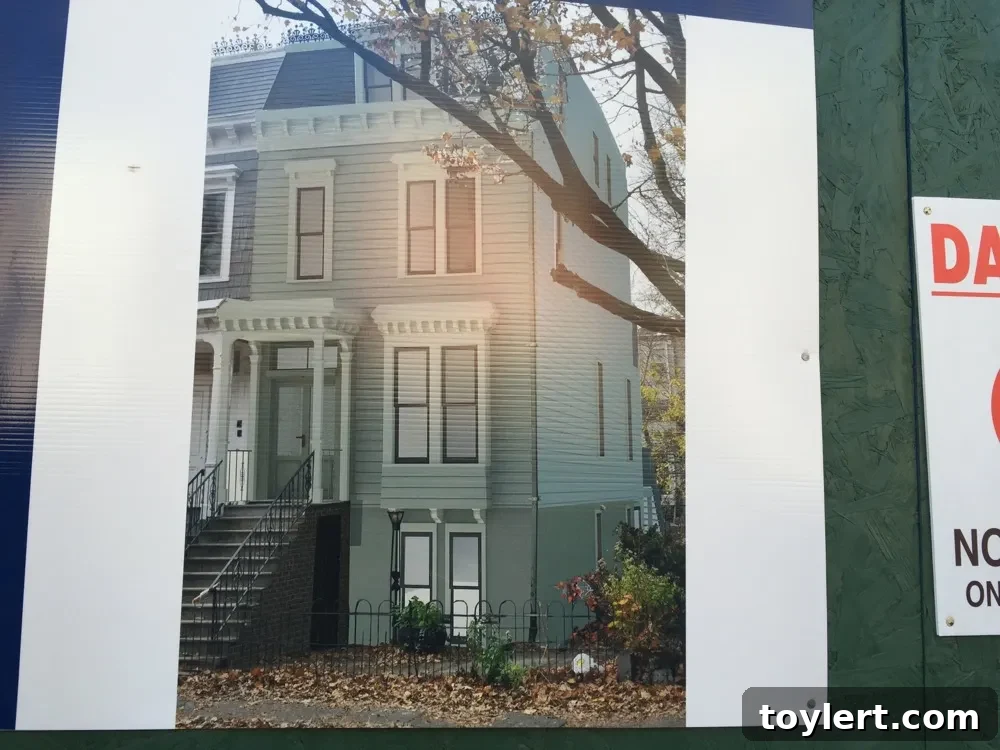
Nestled within the historically rich and architecturally significant Clinton Hill Historic District, a remarkable transformation is underway at 40 Cambridge Place. This distinctive Second Empire-style wood frame house, once showing signs of wear and alteration, is embarking on an ambitious total renovation. What makes this project particularly groundbreaking is its dual commitment: a meticulous restoration of its exterior to its original grandeur, coupled with a cutting-edge interior retrofit utilizing advanced Passive House technology. This endeavor is set to redefine what’s possible when preserving heritage meets the pinnacle of sustainable living.
The Architectural Legacy of 40 Cambridge Place: A Glimpse into Second Empire Style
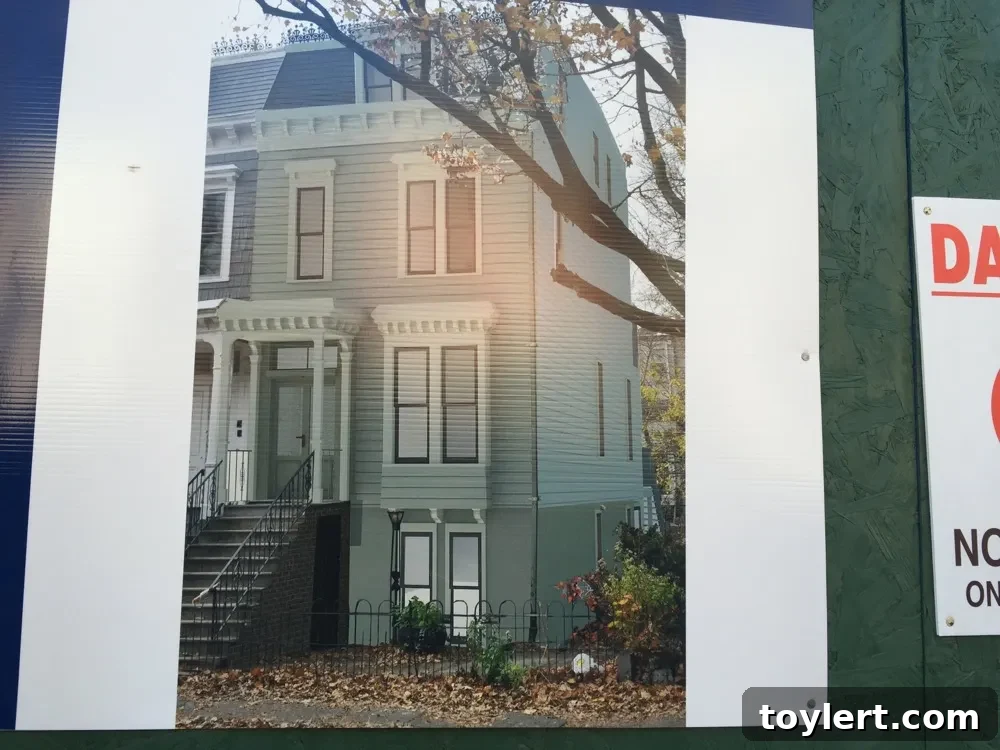
The house at 40 Cambridge Place is a prime example of the Second Empire architectural style, a popular choice for urban residences during the mid to late 19th century. Characterized by its distinctive mansard roof, dormer windows, and often ornate detailing, the Second Empire style evokes a sense of grandeur and sophistication. Originating in France during the reign of Napoleon III, this style quickly found favor in American cities, symbolizing prosperity and a connection to European elegance. While many examples are found in masonry, wood frame iterations like this one in Clinton Hill offer a unique charm and speak to the craftsmanship of the era.
Over time, however, the original character of this beautiful home had been somewhat compromised. Described as “rundown and altered,” the property presented both a challenge and an opportunity. The restoration seeks not only to mend the physical wear and tear but also to rekindle the historical narrative embedded in its architecture, ensuring it once again contributes meaningfully to the aesthetic tapestry of Cambridge Place and the broader Clinton Hill neighborhood.
Preserving the Past: Exterior Restoration in a Historic District
Being situated within the Clinton Hill Historic District means that any exterior modifications must adhere to stringent guidelines set forth by the New York City Landmarks Preservation Commission (LPC). This commitment to historical accuracy is paramount in maintaining the unique character and integrity of the neighborhood. For 40 Cambridge Place, this translates into a meticulous restoration effort aimed at reversing past alterations and returning the facade to its original glory. A key directive of the project is to restore the exterior to “match its twin next door,” ensuring visual harmony and historical congruence within the streetscape.
Among the most significant exterior restorations are the reinstallation of the “missing porch” and the faithful reconstruction of the “altered bay window.” These elements are not mere decorative features; they are integral components of the Second Empire style, defining the home’s presence and historical authenticity. The porch, a hallmark of 19th-century American homes, served as a transitional space between public and private realms, fostering community interaction. Its restoration will breathe new life into the street-level engagement of the property.
Furthermore, the windows, critical to both aesthetic appeal and energy performance, will be carefully chosen and installed to “appear to be double hung.” This particular phrasing highlights the delicate balance between historical preservation and modern functionality. While traditional double-hung windows might be inefficient for a Passive House, modern high-performance windows can be custom-designed to replicate their visual characteristics, complete with historical muntin patterns and operational aesthetics, thus satisfying both LPC requirements and energy efficiency goals. This thoughtful approach ensures that the home’s external appearance remains true to its heritage while embracing cutting-edge performance.
Embracing the Future: The Passive House Revolution for Interiors
While the exterior restoration is a nod to the past, the interior of 40 Cambridge Place is being boldly re-engineered for the future through a comprehensive Passive House retrofit. This ambitious undertaking, as detailed in DOB permits, positions the home at the forefront of sustainable building practices, promising unparalleled energy efficiency, comfort, and indoor air quality.
What is Passive House? Principles of Ultra-Efficiency
Passive House (or Passivhaus) is a rigorous international building standard that results in ultra-low energy buildings requiring minimal energy for heating or cooling. It’s not just a product or a single technology, but a comprehensive design and construction methodology based on five core principles:
- Super-insulation: The building envelope (walls, roof, floor) is wrapped in continuous, thick layers of insulation, drastically reducing heat transfer. This creates a thermal barrier that keeps interior temperatures stable regardless of outside conditions.
- Airtightness: Meticulous sealing of the building enclosure eliminates uncontrolled air leakage. This prevents drafts, heat loss/gain, and moisture infiltration, which can lead to mold and poor indoor air quality.
- High-performance windows and doors: These are typically triple-glazed, insulated frames, and carefully installed to be airtight and thermally broken. They prevent heat from escaping in winter and entering in summer, while also minimizing condensation.
- Thermal-bridge-free design: Careful design and construction avoid “thermal bridges”—areas where insulation is interrupted, allowing heat to bypass the insulated layer. This ensures the entire building envelope performs uniformly.
- Heat Recovery Ventilation (HRV) or Energy Recovery Ventilation (ERV): A continuous mechanical ventilation system supplies fresh, filtered air while recovering up to 90% of the heat (or coolness) from the outgoing stale air. This ensures excellent indoor air quality without significant energy loss.
The Unrivaled Benefits of a Passive House Home
The decision to implement Passive House standards at 40 Cambridge Place brings a multitude of benefits, transforming the living experience for its occupants and contributing to a healthier environment:
- Dramatic Energy Savings: By minimizing energy demand for heating and cooling by up to 90%, Passive House homes significantly reduce utility bills and reliance on fossil fuels.
- Superior Indoor Air Quality: The continuous filtration and exchange of air through the HRV/ERV system remove pollutants, allergens, and excess humidity, creating a healthier and more comfortable indoor environment.
- Consistent Comfort: Thanks to the highly insulated, airtight envelope and uniform surface temperatures, there are no cold spots or drafts, ensuring a consistently comfortable temperature throughout the home, year-round.
- Exceptional Sound Attenuation: The robust insulation and airtight construction provide excellent soundproofing, creating a quiet sanctuary from urban noise.
- Reduced Environmental Impact: Lower energy consumption directly translates to a smaller carbon footprint, aligning with global efforts to combat climate change.
- Increased Property Value and Resale Appeal: Passive House certified homes are future-proof, highly durable, and increasingly desirable in a market that values sustainability and efficiency.
The Synergy: Marrying Historic Preservation with Sustainable Innovation
The renovation of 40 Cambridge Place stands as a powerful testament to the synergy that can exist between historic preservation and cutting-edge sustainable innovation. Often, these two fields are perceived as being at odds: historic districts imposing limitations on modern technologies, and green building advocates sometimes overlooking the embedded energy and cultural value of existing structures. However, this project eloquently demonstrates that the two can not only coexist but thrive together, creating truly exceptional and responsible architecture.
Integrating Passive House technology into a historic Second Empire wood frame house in a landmarked district presents unique challenges. This isn’t merely a matter of installing new insulation; it requires deep expertise in moisture management, structural integrity, and the careful detailing required to achieve airtightness without compromising the historic fabric. Specialized techniques are often employed, such as interior insulation (if exterior changes are restricted), precise air sealing around intricate architectural details, and custom window solutions that offer both high performance and historical replication. The successful navigation of these complexities speaks volumes about the project’s design and construction teams.
By undertaking this comprehensive retrofit, 40 Cambridge Place contributes to a growing movement that recognizes the inherent sustainability of reusing and upgrading existing buildings. It avoids the significant embodied energy associated with new construction while simultaneously breathing new life into a historic asset. This approach not only preserves the tangible heritage of Clinton Hill but also sets a new benchmark for how urban renewal can be conducted responsibly and innovatively, offering a blueprint for other historic properties seeking to embrace a greener future.
40 Cambridge Place: A Beacon for Future Renovations
The transformation of 40 Cambridge Place is more than just a renovation project; it is a pioneering endeavor that serves as a beacon for future renovations across Brooklyn and beyond. It elegantly demonstrates that even dilapidated, historically significant homes can be revived, not just to their former glory, but to an elevated state of energy performance and modern comfort. This project challenges the notion that sustainability is only for new builds, proving that existing structures, with their irreplaceable charm and story, can be optimized to meet the most stringent modern environmental standards.
As Brooklyn continues its evolution, projects like 40 Cambridge Place are crucial. They showcase how urban density can be managed sustainably, how character can be preserved, and how quality of life for residents can be dramatically improved. This home will not only be a comfortable, healthy, and energy-efficient residence for its occupants but also a quiet monument to thoughtful design, dedicated craftsmanship, and a forward-thinking vision that respects both the past and the future of our built environment. It represents a powerful example of how deep energy retrofits of historic buildings are a vital component of a sustainable urban future.