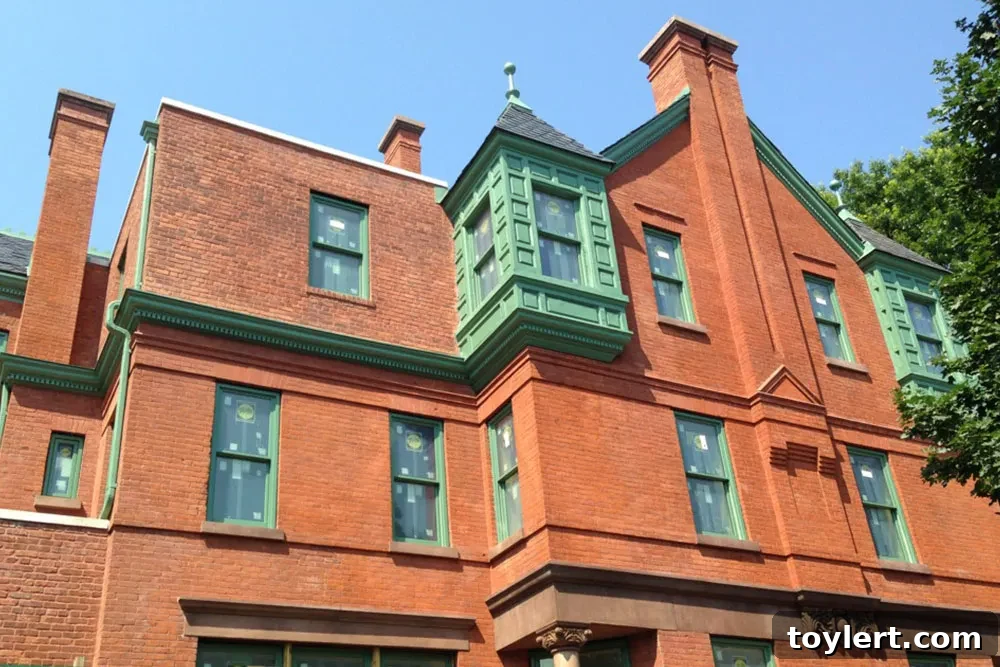
96 Brooklyn Avenue: A Historic Crown Heights Mansion Reborn as Affordable Housing
The stately edifice at 96 Brooklyn Avenue, a true architectural jewel in the heart of Crown Heights, Brooklyn, is embarking on a remarkable new chapter. Once the opulent residence of a prominent 19th-century family, this significant historic house is being meticulously transformed into much-needed affordable housing, breathing new life into a building that once “moldered in obscurity.” This ambitious project exemplifies a growing trend in urban development: honoring historical legacy while addressing contemporary societal needs for accessible and quality housing.
From Opulence to Opportunity: The Legacy of the Truslow House
Originally known as the John and Elizabeth Truslow House, this magnificent property was constructed for a family whose prosperity stemmed from their thriving stove manufacturing business. In the late 19th century, families like the Truslows represented the burgeoning wealth and industrial might of Brooklyn. Their choice of 96 Brooklyn Avenue for their home underscored the street’s desirability and prestige, marking it as a prime residential address within the rapidly developing Crown Heights neighborhood.
The architecture of the house itself is a testament to the period’s grandeur and craftsmanship. While specific architectural details like Queen Anne or Romanesque Revival influences often characterize Brooklyn’s historic mansions, the Truslow House undoubtedly boasted intricate details, expansive rooms, and a commanding presence that reflected its owners’ status. These homes were designed not just for living but as statements of success, contributing significantly to the aesthetic and cultural fabric of the nascent borough. The sheer scale and intricate detailing of such properties make them invaluable components of Brooklyn’s architectural heritage, offering a tangible link to a bygone era of prosperity and craftsmanship.
However, like many grand homes of its age, 96 Brooklyn Avenue eventually saw its fortunes wane. As the neighborhood evolved through the 20th century, economic shifts, changing demographics, and the high costs associated with maintaining such large, historic properties led to a period of neglect. The phrase “moldered in obscurity” aptly captures the fate of many once-proud residences that, for various reasons, lost their original splendor and purpose, often falling into disrepair or underuse. This decline presented a unique challenge: how to salvage such a significant structure without erasing its historical narrative.
A Vision for the Future: NIA JV and ELH Management Step In
Recognizing both the architectural significance of 96 Brooklyn Avenue and the pressing demand for affordable housing in Brooklyn, a collaborative effort between developers NIA JV and ELH Management emerged. These experienced firms specialize in developing and managing properties that serve a vital community function, often focusing on affordable housing solutions that blend seamlessly with existing urban landscapes.
Their intervention at 96 Brooklyn Avenue represents more than just a real estate transaction; it’s a commitment to community revitalization and sustainable urban development. The goal was clear: to meticulously restore the historic grandeur of the Truslow House while reconfiguring its expansive interior to create modern, comfortable, and truly affordable living spaces. This process required a delicate balance of preservation and innovation, ensuring that the building’s original character was respected, even as its functionality was updated for 21st-century residents.
The transformation involves a comprehensive renovation that addresses structural integrity, energy efficiency, and modern amenity integration, all while adhering to the stringent guidelines often associated with historic building rehabilitation. This means carefully restoring facades, preserving original architectural features where possible, and adapting interior layouts to accommodate multiple families without sacrificing the sense of home. For residents, this means access to high-quality, stable housing in a desirable neighborhood, a critical factor in personal and family well-being.
Historic Preservation Meets Affordable Living in Crown Heights
The project at 96 Brooklyn Avenue stands as a compelling model for how historic preservation and the critical need for affordable housing can coalesce into a successful, symbiotic relationship. Too often, developers face a stark choice between demolishing old structures for new builds or undertaking costly, often uneconomical, historic restorations that don’t address broader community needs.
However, the collaboration between NIA JV and ELH Management demonstrates that it is possible to achieve both. By investing in the adaptive reuse of existing historic buildings, cities like Brooklyn can prevent the loss of irreplaceable architectural heritage while simultaneously expanding their affordable housing stock. This approach not only conserves the unique character of neighborhoods like Crown Heights but also promotes environmental sustainability by reusing existing materials and infrastructure rather than engaging in new construction from scratch.
The meticulous planning involved in converting a single-family mansion into multiple affordable units requires creativity and expertise. Architects and preservationists work hand-in-hand to ensure that modifications respect the building’s historical footprint while meeting contemporary building codes and accessibility standards. This might include reconfiguring large rooms into smaller, efficient apartments, installing modern plumbing and electrical systems, and ensuring energy efficiency through updated windows and insulation – all while preserving visible elements of the original design.
Impact and Significance for the Crown Heights Community
The rebirth of 96 Brooklyn Avenue as affordable housing is a significant development for the Crown Heights neighborhood. Crown Heights, like many Brooklyn neighborhoods, has experienced rapid gentrification, leading to soaring rents and a dwindling supply of accessible housing for long-term residents and new families alike. Projects like the Truslow House conversion offer a crucial counter-narrative, ensuring that the neighborhood remains diverse and inclusive.
Providing stable, affordable homes helps to maintain the social and economic diversity that is essential for a vibrant urban community. It means that essential workers, artists, and families who might otherwise be priced out of Brooklyn can find a place to live and thrive. Furthermore, the restoration of a prominent historic building adds aesthetic value to the streetscape, bolstering neighborhood pride and serving as a visible reminder of Crown Heights’ rich history.
This initiative also contributes to the broader goal of community stability. When residents have secure, affordable housing, they are more likely to invest in their community, participate in local activities, and contribute to the local economy. It fosters a sense of belonging and strengthens the social fabric of Crown Heights, ensuring that its evolution benefits all its inhabitants.
A Blueprint for Urban Revitalization
The transformation of 96 Brooklyn Avenue offers a powerful blueprint for other urban centers grappling with similar challenges. It illustrates that historic preservation need not be an impediment to progress but can, in fact, be a catalyst for meaningful social and economic development. By leveraging the existing architectural assets of a city, developers and community leaders can create innovative solutions that address housing shortages while celebrating local heritage.
The success of this project will likely inspire further adaptive reuse initiatives throughout Brooklyn and beyond, encouraging a more thoughtful and integrated approach to urban planning. It highlights the importance of partnerships between private developers, community organizations, and city agencies in achieving complex, multi-faceted goals that benefit the wider public.
As the Truslow House begins its new life, it stands as a beacon of hope and a testament to the power of vision and collaboration. It symbolizes a future where history is cherished, communities are strengthened, and quality housing is within reach for more people. 96 Brooklyn Avenue is no longer just a historic mansion; it is a vibrant, living part of Crown Heights’ future, offering affordable homes within a landmark setting for generations to come.
For more insights into the history of 96 Brooklyn Avenue and other significant Brooklyn properties, you can explore resources like Brownstoner.com’s archives, which often delve into the fascinating stories behind the borough’s architectural gems.