Bushwick’s Future: Navigating Rezoning, Gentrification, and Community Preservation
In the vibrant tapestry of Brooklyn’s ever-evolving neighborhoods, Bushwick stands at a crucial crossroads. Once a predominantly industrial hub with a rich cultural fabric, it now faces the dual forces of rapid development and gentrification. At the forefront of this intricate balancing act is Council Member Diana Reyna, a former protégé of Vito Lopez, who is spearheading a significant rezoning initiative for Bushwick. Her proposal is a direct response to the concerns that Bushwick might succumb to the same fate as its trendy neighbor, Williamsburg – a landscape increasingly dominated by luxury high-rises and an exodus of long-time residents and local businesses.
The Stakes: Preventing Another Williamsburg Transformation
Williamsburg’s dramatic transformation serves as a powerful cautionary tale for many Brooklyn communities. What was once an affordable, artist-friendly enclave has, over decades, become synonymous with high-end boutiques, gourmet restaurants, and towering residential buildings where average rents often exceed the reach of most New Yorkers. This profound shift, often termed the “Williamsburg effect,” involves not just physical changes to the skyline but also deep socioeconomic impacts, including widespread displacement, loss of cultural identity, and a dwindling supply of affordable housing options. Council Member Reyna’s Bushwick rezoning plan aims to shield the neighborhood from this exact trajectory, proposing a framework that prioritizes sustainable, community-centric growth over unbridled speculative development.
The core tenets of Reyna’s proposed rezoning for Bushwick are clear and strategically designed to protect its unique character:
- Maintaining Low-Rise Development: By setting stringent limits on building heights, the plan seeks to preserve the existing architectural character and human scale of Bushwick. This approach is crucial in preventing the construction of monolithic structures that could overwhelm the neighborhood’s established aesthetic and existing infrastructure, ensuring new buildings integrate seamlessly rather than dominate.
- Fostering Robust Affordable Housing: A cornerstone of the initiative, this aims to ensure that Bushwick remains accessible to a diverse range of income levels. It specifically calls for the mandatory inclusion of substantial affordable housing units within any new developments, directly mitigating the displacement often associated with rapid gentrification and ensuring housing equity.
- Preserving Local Jobs and Businesses: Recognizing the importance of a vibrant and resilient local economy, the rezoning also seeks to protect and support existing industrial spaces and small businesses. These enterprises are vital not only for local employment but also for maintaining the overall economic health and diversity of the community, safeguarding the livelihoods of many residents.
Early Warning Signs: Bushwick’s Transformation Already Underway
Despite these proactive rezoning efforts, Bushwick is undeniably experiencing the unmistakable early stages of a Williamsburg-like transformation. Over the past few months and indeed years, the signs have become increasingly apparent and concerning. Rental prices have seen a significant upward surge, placing immense financial pressure on existing residents and making it exceptionally challenging for new ones to settle in without substantial financial resources. Concurrently, the neighborhood has witnessed a proliferation of new businesses, many of which cater specifically to a more affluent demographic, signaling a clear shift in the local economic landscape.
From artisanal coffee shops and boutique fitness studios to trendy eateries and contemporary art galleries, these new establishments, while undoubtedly adding a certain vibrancy, also reflect the changing demographics and spending power of the incoming population. This influx often drives up commercial rents exponentially, making it increasingly difficult for long-standing, community-serving businesses to remain viable. This phenomenon further alters the neighborhood’s unique character and threatens its long-term authenticity.
The Complex Impact of the Loft Law Expansion
A significant contributing factor to Bushwick’s evolving real estate dynamics and the pressure on its industrial zones was the 2010 expansion of the Loft Law. With the crucial support of then-Assembly Speaker Vito Lopez, the state legislature broadened the scope of this law, which was originally intended to legalize residential conversions in former industrial spaces. While ostensibly designed to protect existing loft dwellers by bringing their units up to code and providing tenant protections, the expansion also inadvertently created a more streamlined pathway for property owners to convert industrial buildings into residential use, often commanding significantly higher rents. This move, while solving one problem, inadvertently intensified the pressure on Bushwick’s existing industrial businesses, which are crucial for local employment and maintaining the neighborhood’s economic diversity. It effectively pitted the interests of potential residential tenants against the critical need to preserve essential manufacturing and creative industrial spaces, leading to a complex and ongoing debate about the neighborhood’s long-term economic identity and land use.
A Glimpse into Bushwick’s Rapidly Developing Landscape
The urgency of the rezoning proposal is vividly underscored by the numerous development projects already taking shape across Bushwick. These projects offer a tangible, real-time look at the scale and nature of the changes impacting the neighborhood, providing a snapshot of its evolving urban fabric:
- Modern Rental Tower at Wilson and Willoughby Avenues: A prominent 12-story rental building is currently under construction at the busy intersection of Wilson and Willoughby Avenues. This represents a significant vertical expansion compared to the typically lower-rise structures that characterize much of Bushwick, introducing a new and often contrasting architectural scale to the area.
- Adaptive Reuse by Cayuga Capital Management: At 626 Bushwick Avenue, Cayuga Capital Management is undertaking an ambitious project to transform an old church and an adjacent school building into 99 residential apartments. This adaptive reuse project highlights a growing trend of converting historically significant non-residential structures into housing, often at premium prices, which can alter the cultural landscape of the community.
- Office to Residential Conversion on Broadway and Ellery Street: A former office building strategically situated at Broadway and Ellery Street is being reimagined as a six-story rental building. The projected starting rents for one-bedroom units at $2,000 a month clearly illustrate the intense upward pressure on housing costs in the area, positioning these new offerings far beyond the financial reach of many long-time residents and emphasizing the neighborhood’s shift towards higher-income inhabitants.
- The Monumental Rheingold Beer Company Lot: One of the most significant and closely watched developments is a massive 10-building project planned for the extensive lot that once housed the iconic Rheingold Beer company. This expansive site, steeped in local history and industrial heritage, is poised for a dramatic transformation. Council Member Reyna has publicly voiced her support for this particular project, but critically, she has also committed to pushing for substantial community concessions. Specifically, she is advocating vigorously for increased local hiring opportunities and a greater allocation of genuinely low-income housing units within the development. This demonstrates a strategic effort to leverage large-scale projects to meet essential community needs rather than just allowing unfettered and purely profit-driven growth.
The Community’s Voice: A Resounding Plea for Preservation
The sentiment within the Bushwick community is palpable, mirroring the anxieties and hopes expressed by residents in other rapidly gentrifying urban areas. Troy Marrero, the insightful owner of the Post Bike Shop in Bushwick, articulated this widespread concern eloquently in a Wall Street Journal interview, drawing a direct parallel to Williamsburg’s trajectory. “I moved to New York 17 years ago and I moved to Williamsburg because it was cheap and close to the East Village. Now you have to be rich to live there,” Marrero explained. His poignant conclusion – “It’s probably going to happen here” – encapsulates the profound fears of many who cherish Bushwick’s existing affordability, its unique cultural character, and its sense of community. His words serve as a stark reminder of the human cost of unchecked development and the deep desire of residents to protect their homes, livelihoods, and the very soul of their neighborhood.
The rezoning effort, therefore, is far more than just a regulatory adjustment; it’s a profound testament to the community’s fight for self-determination and its right to shape its own future. It represents an urgent plea to urban planners, developers, and policymakers to consider the long-term social and economic implications of their projects, ensuring that growth is genuinely inclusive and serves the existing community first, not just new arrivals or outside investors. The ongoing debate over Bushwick’s future highlights a universal challenge faced by many vibrant, yet vulnerable, urban centers: how to effectively accommodate growth and meet the increasing demand for housing without sacrificing the very essence that makes a neighborhood unique, livable, and affordable for all its residents, regardless of their income level or background.
Conclusion: A Blueprint for Balanced Urban Growth
Council Member Diana Reyna’s proposed rezoning for Bushwick is a critical and timely initiative aimed at establishing a more balanced and equitable development path for this dynamic Brooklyn neighborhood. By focusing on maintaining low-rise structures, ensuring robust affordable housing provisions, and actively preserving vital local jobs, the plan seeks to create a sustainable future for Bushwick that critically learns from the experiences of other Brooklyn neighborhoods that have undergone significant gentrification. While the powerful forces of gentrification are already evident and exerting considerable pressure, this proactive legislative approach offers a beacon of hope for community members striving to maintain their neighborhood’s character and ensure its affordability for generations to come. The outcomes of this crucial rezoning bid will undoubtedly set a significant precedent for how other vibrant, yet vulnerable, urban communities navigate the inherent complexities of modern development and strive for inclusive growth.
Rezoning Bid Starts Happening in Bushwick [WSJ]
Leaders Want Bushwick Rezoning So It’s Not the Next Billyburg [Curbed]
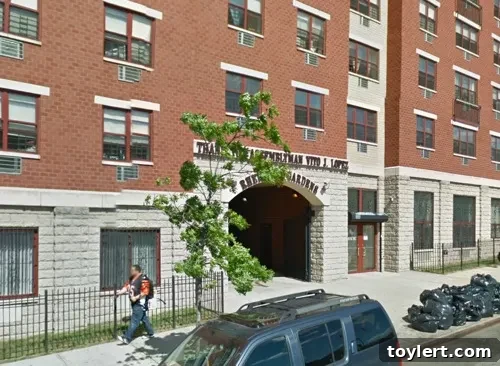
Photo of Bushwick affordable housing by Google Maps