Brooklyn’s Oldest Farmhouse Hosts Third Annual Festival Minokan: A Vibrant Celebration of Haitian Culture and Resilience
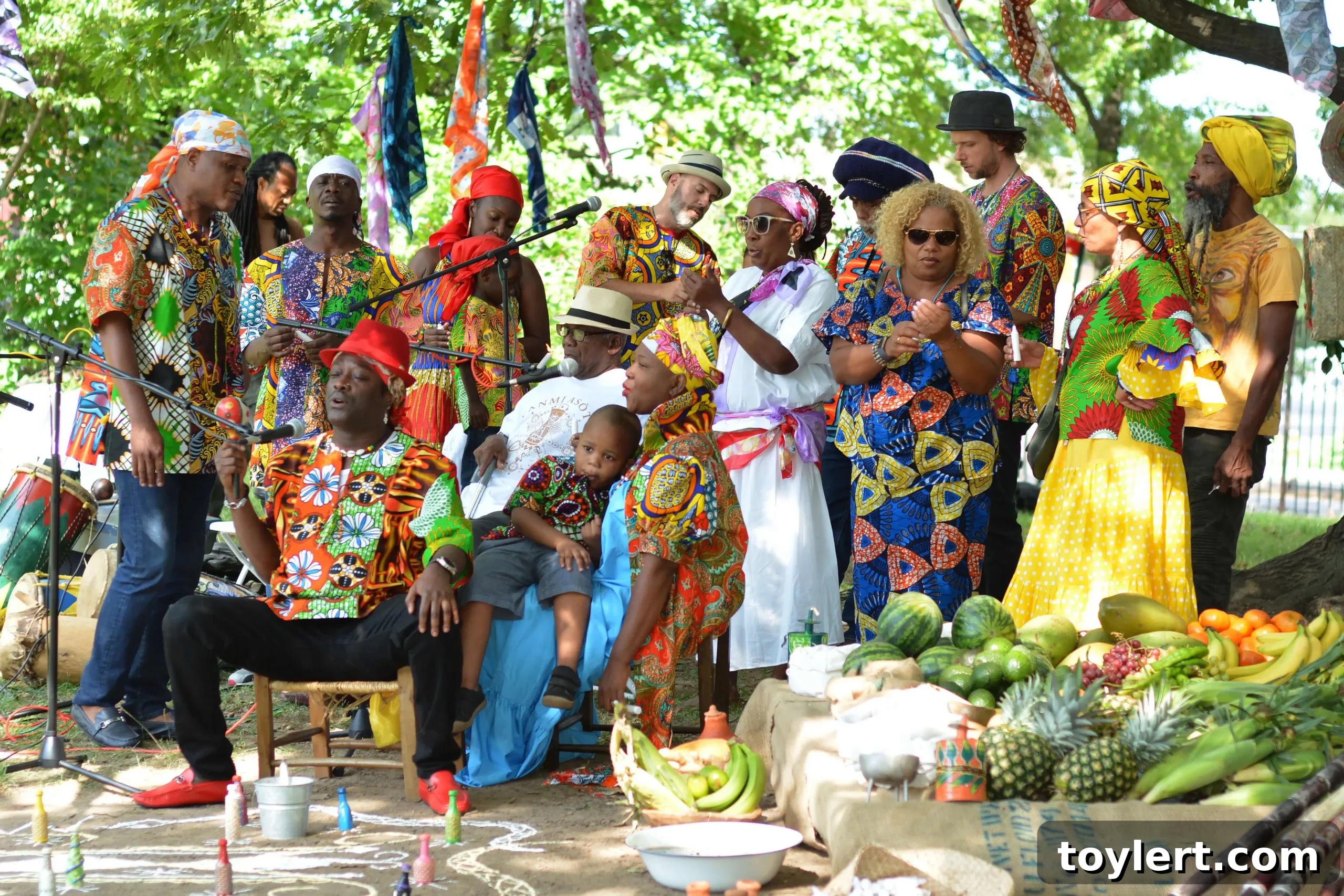
Nestled in the heart of Brooklyn, the historic Wyckoff House Museum, recognized as the borough’s oldest farmhouse, is once again preparing to open its grounds for an enriching cultural immersion. This month, it proudly hosts the third annual Festival Minokan, a profound celebration of Haitian culture that promises an unforgettable afternoon filled with the soulful rhythms of drumming, the dynamic grace of dance, and the rich flavors of traditional Haitian cuisine. More than just a festival, this event stands as a testament to cultural preservation, community strength, and the enduring spirit of the Haitian people.
The Wyckoff House Museum: A Beacon of History and Community
The Wyckoff House Museum, a cherished landmark dating back to 1652, offers a unique backdrop for such a significant cultural gathering. As the oldest surviving structure in New York City, it embodies centuries of history, resilience, and evolution. Its commitment to telling diverse stories and fostering community engagement makes it an ideal venue for the Festival Minokan. By hosting this vibrant Haitian festival, the museum not only celebrates the rich tapestry of Brooklyn’s communities but also provides a vital platform for cultural exchange and understanding, connecting historical roots with contemporary expressions of identity and heritage.
Festival Minokan: A Deep Dive into Haitian Identity and Resilience
The term “Minokan” itself holds deep cultural significance within Haitian tradition, often referring to a spiritual lineage or house that transmits ancestral knowledge and practices. Embodying this spirit, the festival is meticulously curated to offer an authentic glimpse into the heart of Haitian identity. Attendees are invited to experience a myriad of traditions that are central to Haitian life, from the compelling narratives woven through music and movement to the communal joy found in sharing food.
Music, Movement, and Culinary Delights: The Soul of the Festival
At the core of Festival Minokan are the captivating performances that bring Haitian culture to life. Drumming, an elemental force in Haitian music, serves not only as entertainment but also as a conduit for spiritual connection and storytelling. The intricate rhythms, often echoing ancestral calls, are mesmerizing, inviting participants to feel the pulse of Haiti. Complementing the drums, Haitian dance forms are expressive and powerful, ranging from ceremonial movements to joyous celebrations, each telling a story of resilience, faith, and community. Alongside these auditory and visual feasts, the festival offers an array of traditional Haitian food. From savory stews to aromatic rice dishes and sweet treats, the cuisine is a vibrant expression of the nation’s history, reflecting African, French, and indigenous influences. These culinary offerings are not merely sustenance; they are an integral part of the cultural experience, fostering connection and shared pleasure.
A Space for Healing and Connection in Challenging Times
This year, the Festival Minokan carries an even deeper resonance. While honoring the timeless traditions of Haitian culture, the festival also serves as a crucial space for gathering and healing. The global community has grappled with the devastating impacts of the recent pandemic, and Haiti, in particular, has faced additional challenges, including the severe destruction caused by a recent earthquake. In the wake of such profound hardship, the festival offers solace, strength, and an opportunity for collective restoration. It stands as a powerful reminder that culture, community, and shared heritage can be potent forces for healing, providing comfort and a renewed sense of purpose amidst adversity. It allows individuals to come together, share their experiences, and find solidarity in their cultural identity.
Spiritual Guidance: The Vision of Vodou Priestess Sirene Dantor
Overseeing this profoundly meaningful afternoon is the esteemed Haitian singer and Vodou Priestess, Sirene Dantor. Her presence brings an authentic depth and spiritual gravitas to the festival. As a Vodou Priestess, she embodies a rich spiritual lineage, guiding participants through the cultural and ceremonial aspects with wisdom and grace. Her role extends beyond mere coordination; she is a beacon of Haitian spiritual heritage, ensuring that the traditions are honored with integrity and respect. As a singer, her voice carries the stories and emotions of her ancestors, adding another layer of authenticity and beauty to the celebration. Her leadership is instrumental in creating an atmosphere where spirituality, artistry, and community intertwine seamlessly, making the festival a truly transformative experience for all who attend.
Embracing the Sacred: The Seremoni Petwo and Vodou Traditions
A highlight of the Festival Minokan is the Seremoni Petwo, scheduled to commence at 6 p.m. This sacred ceremony offers a unique opportunity to engage with a core aspect of Haitian spirituality. For those new to the experience, the organizers strongly recommend arriving earlier, specifically by 4 p.m., to take advantage of the preparatory workshops and insightful talks. These introductory sessions are designed to demystify and educate, providing essential context for a deeper appreciation of the ceremonial practices.
Understanding Vodou: Beyond Misconceptions
The pre-ceremony workshops offer invaluable perspectives on the history of Vodou and its integral role within the Haitian diaspora. Often misunderstood and misrepresented in Western media, Haitian Vodou is, in reality, a complex, deeply spiritual, and life-affirming religious tradition. It is a syncretic faith that blends ancestral African beliefs with elements of Roman Catholicism, born out of the experiences of enslaved Africans in Haiti. Vodou provides a comprehensive moral code, a sophisticated system of healing, and a profound connection to the divine and to ancestors. These talks aim to dispel common misconceptions, highlighting Vodou as a rich cultural heritage that has empowered and sustained the Haitian people through centuries of challenge, offering spiritual guidance, community solidarity, and a framework for understanding the world. By offering this educational foundation, the festival promotes respect and understanding for this vital aspect of Haitian identity.
Preparing for the Experience: Workshops and Talks
The recommendation to arrive by 4 p.m. is not merely for convenience but for an enriching educational journey. The workshops and talks are meticulously structured to prepare attendees for the spiritual depth of the Seremoni Petwo, providing a foundational understanding of its origins, symbolism, and significance. Participants will learn about the historical roots of Vodou, its evolution through colonial oppression and slave revolt, and its enduring presence in the lives of Haitians both on the island and in the diaspora. This contextual understanding transforms passive observation into an active, respectful engagement with a profound spiritual practice, allowing attendees to fully appreciate the ceremony’s cultural and spiritual weight.
Immersive Cultural Journeys: Workshops and Artist Spotlights
Beyond the ceremonial aspects, Festival Minokan offers a rich tapestry of interactive experiences designed to engage and educate. These workshops and talks are carefully curated to provide hands-on learning and deeper insights into various facets of Haitian culture and the diaspora experience.
Exploring the Roots: History of Vodou and the Haitian Diaspora
The talks dedicated to the history of Vodou and the Haitian diaspora are crucial for understanding the enduring resilience of the Haitian people. These sessions delve into the journey of Haitian identity, from the ancestral lands of Africa to the development of a unique culture in Haiti, and its subsequent spread across the globe through the diaspora. They explore how traditions, language, art, and spirituality have been preserved, adapted, and celebrated in new environments, particularly in vibrant communities like Brooklyn. These discussions highlight the challenges faced by the diaspora, the triumphs of cultural preservation, and the ongoing efforts to maintain strong connections to their heritage.
Rhythms and Movements: Instrument and Dance Workshops
Music and dance are intrinsic to Haitian cultural expression, serving as forms of communication, celebration, and spiritual devotion. The festival includes engaging instrument demonstrations, where attendees can learn about traditional Haitian instruments such as various types of drums (e.g., tanbou), rara horns, and other percussive tools. These demonstrations often involve opportunities for participation, allowing individuals to feel the rhythms firsthand. Complementing this, a dynamic dance workshop will be led by renowned instructors Nadia Dieudonne and Veroneque Ignace. Participants will be guided through traditional Haitian dance movements, learning not just the steps but also the stories and emotions embedded within each gesture. These workshops are a vibrant way to connect with the physical and emotional language of Haitian culture, fostering a deeper appreciation for its artistic depth and spiritual significance.
Visual Storytelling: The Art of Mahalia Stines
The visual arts play a significant role in expressing Haitian identity and experience. The festival features an artist talk by Brooklyn-based fiber artist Mahalia Stines. Stines’s work, often characterized by its intricate textures and vibrant colors, tells stories through fabric, thread, and other materials. Her talk will likely explore how her Haitian heritage, her experiences in the diaspora, and the cultural landscape of Brooklyn influence her artistic practice. Fiber art in Haitian culture often holds deep symbolic meaning, from the intricate tapestries to the functional yet beautiful textiles used in daily life and rituals. Stines’s presentation offers a contemporary perspective on how traditional artistic forms can be reinterpreted and given new life, bridging ancestral crafts with modern artistic expression.
Fostering Community and Preserving Heritage
The Festival Minokan is more than a series of performances and workshops; it is a vital act of cultural preservation and community building. By bringing together artists, spiritual leaders, and community members, it reinforces the bonds within the Haitian diaspora and extends an open invitation to the broader Brooklyn community to engage with and appreciate this rich culture. It serves as an educational tool for younger generations, ensuring that the vibrant traditions, history, and spiritual practices of Haiti are passed down and celebrated. In an increasingly globalized world, such festivals are crucial for maintaining distinct cultural identities and for fostering mutual respect and understanding between diverse communities.
Conclusion: A Vibrant Tapestry of Culture and Hope
The third annual Festival Minokan at the Wyckoff House Museum promises to be a profoundly moving and enlightening experience. It is a testament to the enduring power of Haitian culture, its remarkable resilience in the face of adversity, and its unwavering commitment to community and healing. Through the mesmerizing sounds of drumming, the captivating movements of dance, the comforting flavors of food, and the insightful guidance of spiritual leaders and artists, attendees will embark on an immersive journey into the heart of Haiti. This festival stands as a beacon of hope and cultural pride, demonstrating how tradition can offer solace, foster connection, and inspire a collective path towards healing and joy. Join us for an afternoon that celebrates heritage, embraces spirituality, and strengthens the vibrant tapestry of our shared human experience.