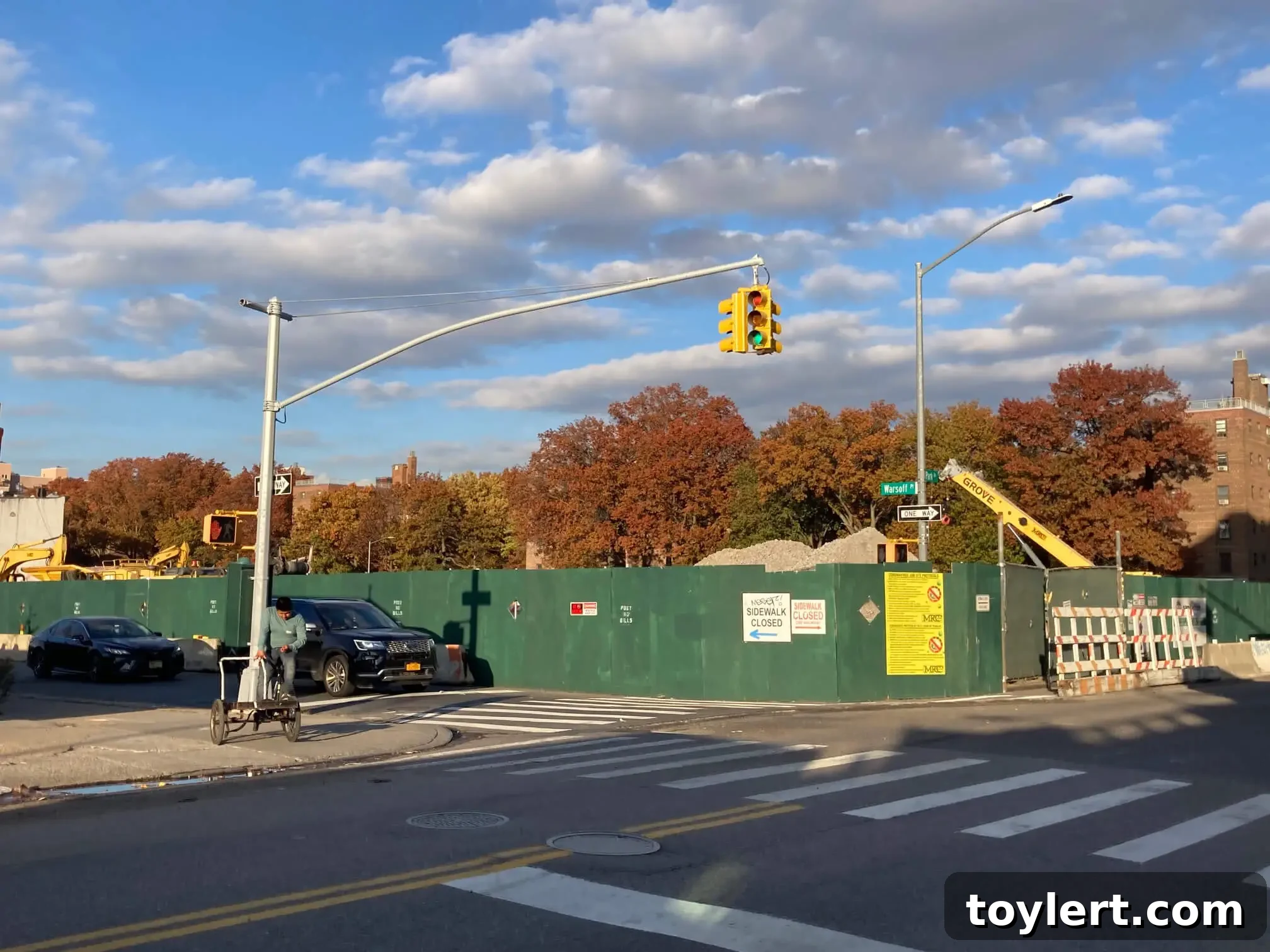
Editor’s note: We are thrilled to announce the return of Jonathan Butler, the visionary founder of Brownstoner, to the world of active real estate commentary. He’s now sharing his keen observations and invaluable insights on Instagram under the handle @real_estate_bites. Brownstoner is delighted to feature a selection of his weekly snapshots, capturing the pulse of Brooklyn’s ever-changing real estate landscape. Please remember that the perspectives and analyses shared are Jonathan’s own, offering a unique and unfiltered view into the borough’s dynamic development scene.
Jonathan Butler’s Real Estate Bites: A Deep Dive into Brooklyn’s Evolving Property Market
Brooklyn, a borough synonymous with cultural richness and architectural diversity, continues its remarkable evolution as a global urban center. From the historic elegance of its brownstone districts to the vibrant, newly redeveloped waterfronts, Brooklyn presents a complex and fascinating real estate narrative. This dynamic environment demands an informed perspective, and few can offer it with the clarity and depth of Jonathan Butler, the acclaimed founder of Brownstoner. His recent foray into Instagram blogging, under the handle @real_estate_bites, serves as an essential resource for anyone seeking genuine, on-the-ground insights into Brooklyn’s property market. These weekly “Real Estate Bites” are more than just observations; they are vital dispatches from the front lines of urban transformation, offering critical analysis that transcends typical market reports.
The Enduring Influence of a Brooklyn Real Estate Pioneer
Jonathan Butler’s legacy in Brooklyn’s real estate sphere is profound. Through Brownstoner, he not only chronicled the borough’s architectural heritage and development but also fostered a community passionate about its preservation and future. His return to regular public commentary, delivered in the accessible format of social media, is a significant event for those tracking Brooklyn’s trajectory. Butler’s posts are succinct yet powerful, often highlighting specific buildings, emerging development patterns, or micro-market shifts that are indicative of broader trends. They provide a unique lens through which to view Brooklyn’s ongoing story of growth, challenge, and opportunity, making his “Real Estate Bites” a must-read for both seasoned professionals and curious residents.
Understanding Brooklyn’s Unceasing Transformation
For decades, Brooklyn has transitioned from a perceived afterthought of New York City to a highly sought-after destination for living, working, and investing. This dramatic transformation has led to an explosion of development, dramatically altering the borough’s skyline and significantly impacting its real estate values. While this wave of growth undeniably brings economic vitality, new job opportunities, and improved amenities, it also necessitates a careful examination of critical issues such as housing affordability, the pace of gentrification, and the imperative to preserve the unique character of established neighborhoods. Butler’s commentary frequently delves into these nuanced subjects, offering a balanced perspective on the intricate forces driving Brooklyn’s rapid evolution.
The borough’s diverse landscape, from the commercial revitalization of downtown Brooklyn to the residential conversion of former industrial zones, showcases a continuous cycle of change. Every new construction project, every historic renovation, and every shift in neighborhood demographics contributes to Brooklyn’s complex identity. Butler’s ability to identify and articulate these changes, often through the prism of a single building or development site, provides invaluable context. His “Real Estate Bites” act as a collective narrative, painting a comprehensive picture of Brooklyn’s journey as a premier urban laboratory, where past and future constantly converge.
Bedford-Stuyvesant: A Microcosm of Brooklyn’s Development Trends
Among the many dynamic neighborhoods in Brooklyn, Bedford-Stuyvesant, or Bed-Stuy, frequently captures attention in real estate discussions. Revered for its majestic rows of brownstones, verdant tree-lined streets, and deep cultural roots, Bed-Stuy has experienced a remarkable renaissance. Once facing challenges typical of urban decline, it has re-emerged as one of Brooklyn’s most desirable residential areas. This transformation is a testament to the community’s resilience and the irresistible allure of its historic charm, now attracting a diverse population alongside significant new development.
The Metamorphosis of a Municipal Site: A Case Study on Park and Nostrand Avenues
A particularly insightful observation from Jonathan Butler (as detailed in his Instagram post, available here) vividly illustrates Bed-Stuy’s ongoing evolution. His “Real Estate Bite” spotlights the potential for change in the vicinity of Park Avenue and Nostrand Avenue, specifically mentioning a District 3 sanitation truck depot. The prospective conversion of such a municipal industrial facility into a residential development site is a potent indicator of several profound urban planning and real estate trends:
- Intensified Land Scarcity: As prime developable parcels become exceedingly rare across Brooklyn’s most coveted neighborhoods, developers are increasingly exploring and capitalizing on unconventional sites, including former industrial or government-owned properties. This demonstrates a market driven by intense demand and limited supply.
- Strategic Urban Repurposing: The transformation of functionally obsolete or underutilized municipal sites into modern residential spaces is a key strategy for addressing the persistent demand for housing units. This approach is central to contemporary urban planning, aiming to optimize city land use and foster sustainable growth within existing urban footprints.
- Expanding Neighborhood Boundaries: Such significant redevelopment projects invariably push the traditional residential boundaries of a neighborhood. They introduce new densities and population segments into areas previously characterized by non-residential uses, extending the reach of urban renewal and altering community dynamics.
- Complex Infrastructure and Environmental Challenges: Redeveloping a site with a history like a sanitation depot presents a unique array of challenges. These include extensive environmental remediation to address potential contaminants, and the necessity of upgrading or redesigning existing local infrastructure to adequately support the increased demands of a new residential population.
The specific geographic focus on Park Avenue and Nostrand Avenue is highly significant. These thoroughfares have historically served as crucial commercial and transportation corridors within Bed-Stuy. The emergence of significant residential development in such close proximity to what was once a sanitation depot powerfully underscores the immense demand for housing in this part of Brooklyn. It also highlights the market’s increasing readiness to undertake intricate, large-scale conversion projects. This type of transformation goes far beyond mere construction; it fundamentally reshapes the community’s character, impacting everything from local businesses and public services to traffic flow and the overall demographic composition of the neighborhood.
The Far-Reaching Effects: Community, Economy, and Future Urban Fabric
The ongoing metamorphosis of sites like the sanitation depot in Bed-Stuy carries profound implications for the entire borough. For existing residents, these developments can represent new, modern housing opportunities, but concurrently, they often trigger concerns about rising property values, escalating rents, and the potential for displacement. Local businesses may experience a boost from increased foot traffic and an expanded customer base, yet they might also grapple with the challenges of rising commercial rents and the changing demands of a new demographic. Moreover, the aesthetic and architectural identity of the neighborhood undergoes a transformation, as contemporary structures rise harmoniously or starkly alongside cherished historic buildings, creating a visually dynamic, albeit sometimes contested, blend of old and new.
From an economic standpoint, these extensive developments represent substantial capital investment, generating numerous jobs in construction, real estate services, and ancillary industries. They also significantly bolster the city’s tax base, potentially providing additional revenue for critical public services and infrastructure improvements. However, a crucial societal question persists: how can Brooklyn ensure that this unprecedented growth is both inclusive and environmentally sustainable? This is precisely where the informed commentary of figures like Jonathan Butler becomes indispensable. His observations stimulate vital discussions about balanced development strategies, the importance of genuine community engagement, and ensuring that progress benefits all segments of the population.
Butler’s “Real Estate Bites” serve as an ongoing, invaluable chronicle of these multifaceted changes. By meticulously highlighting specific development instances, he provides concrete, relatable examples of the often-abstract forces that shape modern urban life. His insights delve deeper than mere property valuations; they explore the evolving spirit of Brooklyn, the delicate interplay between forward-momentum and historical preservation, and the compelling human stories that are often overshadowed by grand development headlines.
Why Engaging with @real_estate_bites is Essential for Brooklyn Aficionados
For anyone with a vested interest in deciphering the intricate narrative of Brooklyn’s property market, following @real_estate_bites is an imperative. Jonathan Butler’s consistent posts offer a rich tapestry of:
- Authentic and Granular Insights: These are direct, unfiltered observations from an individual who has been deeply entrenched in Brooklyn’s real estate ecosystem for many decades, providing a perspective that is both seasoned and intimate.
- Identification of Nascent Trends: Butler possesses a remarkable ability to pinpoint emerging real estate trends, overlooked investment opportunities, or potential challenges long before they gain widespread public recognition, offering followers a distinct advantage.
- Rich Historical Context: His profound knowledge of Brooklyn’s storied past enriches his interpretation of its present market conditions and provides valuable foresight into its potential future directions.
- Candid and Unfiltered Commentary: Offering a refreshing departure from conventional, often guarded, market analyses, Butler delivers candid takes that provide a more transparent and relatable understanding of real estate dynamics.
- A Focus on Community Impact: While ostensibly centered on real estate, his observations consistently underscore the tangible and intangible impacts of development on local communities, fostering a broader understanding of urban change.
The specific example of the former sanitation depot site in Bed-Stuy serves as a powerful microcosm of Brooklyn’s broader, ongoing transformation. It vividly illustrates the unrelenting demand for housing, the innovative approaches developers are adopting to unlock new opportunities, and the continuous reshaping of urban landscapes. As Brooklyn embarks on its fascinating journey of sustained growth and change, Jonathan Butler’s “Real Estate Bites” will undoubtedly remain an indispensable source for grasping its nuanced pulse and future direction.
We encourage you to stay connected with his Instagram for more essential insights into the properties, projects, and people who are actively shaping one of the world’s most vibrant and dynamic urban centers. His unique synthesis of historical perspective and forward-thinking analysis makes his observations an unparalleled guide to Brooklyn’s enduring evolution.
View this particular Instagram post about the Bed-Stuy sanitation depot on Real Estate Bites.