Unveiling Brooklyn’s Pulse: A Comprehensive Look at Community, Culture, and Real Estate
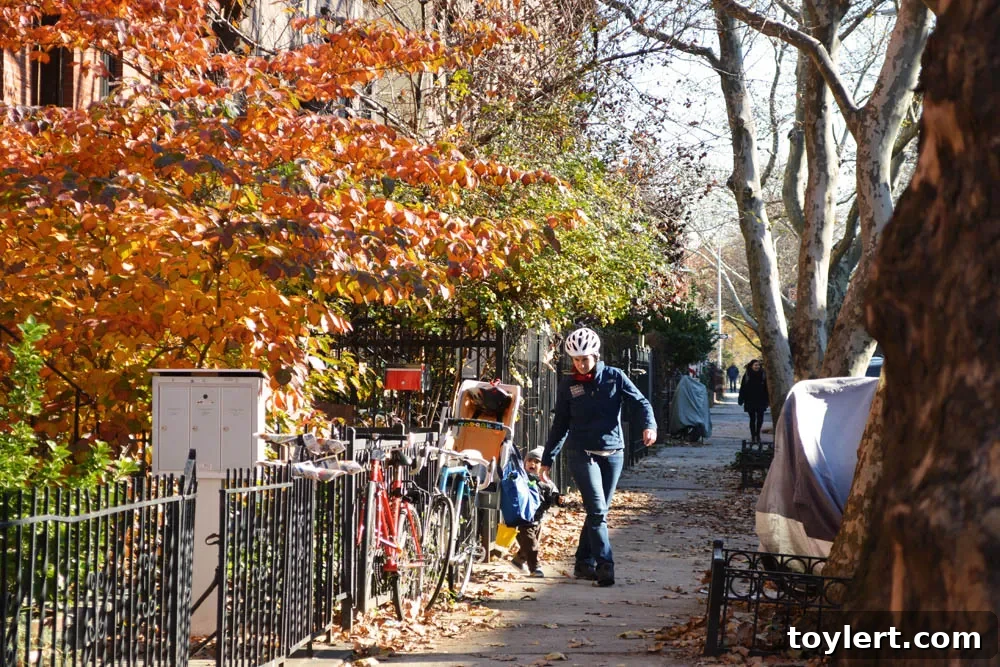
Brooklyn, a borough celebrated for its vibrant neighborhoods, rich history, and dynamic cultural landscape, consistently offers a tapestry of stories reflecting its ongoing evolution. From spirited community events to groundbreaking art exhibitions and the ever-shifting real estate market, Brooklyn remains a focal point for both local residents and global observers. This comprehensive overview delves into recent headlines and notable developments, providing a snapshot of the borough’s diverse character and the forces shaping its future. We explore the delicate balance between tradition and progress, community engagement and urban development, all against the backdrop of its iconic brownstones and burgeoning modern architecture.
The Buzz Around Brooklyn: Community and Cultural Dynamics
Brooklyn’s pulse is undeniably felt through its community events and cultural institutions, which often spark lively discussions and reflect the borough’s evolving identity. These stories highlight the intersection of public life, artistic expression, and civic responsibility.
Community Celebrations and Their Impact
Annual events are woven into the fabric of New York City life, and Brooklyn is no exception. However, such large-scale gatherings frequently prompt dialogue about their societal impact and the responsibilities of participants and organizers alike. The festive spirit, when unchecked, can sometimes lead to friction within local communities.
SantaCon: Balancing Celebration with Responsibility
The SantaCon phenomenon, for instance, has often found itself at the center of a debate pitting revelers’ right to party against the concerns of communities seeking order and respect. As reported by the New York Times, organizers have increasingly focused on promoting responsible participation, implementing measures to mitigate negative impacts on local neighborhoods. This ongoing discussion underscores the challenges of integrating large, boisterous events into dense urban environments, particularly in a borough as diverse and community-focused as Brooklyn. The event serves as a microcosm of larger city-wide conversations about public space, noise, and the delicate balance between individual freedom and collective well-being. Ensuring events like SantaCon can continue to thrive requires a continuous commitment to responsible conduct, fostering a positive relationship with the neighborhoods that host them.
Art as Activism: The Brooklyn Museum’s Bold Statement
Cultural institutions in Brooklyn are not just repositories of art but often platforms for social commentary and activism. The borough has a long history of embracing progressive ideas, and its museums frequently reflect this ethos, engaging visitors in critical thought and dialogue.
Exploring the Fine Art of Activism at the Brooklyn Museum
The Brooklyn Museum has consistently positioned itself at the forefront of socially conscious art, as evidenced by its acclaimed exhibitions. The Wall Street Journal highlighted how the ‘Agitprop!’ exhibition masterfully explored the fine art of activism, demonstrating how artistic expression can serve as a powerful tool for social and political change. This exhibition showcased works that challenged norms, provoked thought, and inspired action, resonating deeply within Brooklyn’s progressive community. It reaffirmed the museum’s role not just as a cultural landmark but as a vital civic space, fostering conversations around contemporary issues and empowering voices through the universal language of art. The success of such exhibitions reflects Brooklyn’s enduring commitment to cultural engagement that extends beyond mere aesthetics, venturing into the realm of advocacy and social justice.
Brooklyn’s Evolving Urban Fabric: Dumbo’s Transformation
Brooklyn’s neighborhoods are constantly reinventing themselves, transforming industrial pasts into vibrant, modern futures. Dumbo stands out as a prime example of this dynamic evolution, blending its historical roots with a contemporary, high-design aesthetic.
Dumbo: A Masterclass in Industrial Chic
The neighborhood of Dumbo (Down Under the Manhattan Bridge Overpass) has become synonymous with industrial chic, a style that perfectly marries its gritty warehouse origins with sophisticated modern living and creative enterprises. The Wall Street Journal offered a fascinating study in Dumbo’s unique blend of industrial heritage and contemporary elegance. Its cobblestone streets, converted loft buildings, and stunning waterfront views attract a diverse mix of residents, artists, and tech companies. This transformation has not only preserved the area’s architectural character but has also elevated it to one of Brooklyn’s most sought-after and recognizable destinations. Dumbo’s success story illustrates how thoughtful urban planning and strategic development can breathe new life into former industrial zones, creating thriving communities that celebrate their past while embracing a forward-looking vision.
Decoding Brooklyn’s Dynamic Real Estate Market
Brooklyn’s real estate market is a perennial topic of discussion, reflecting broader economic trends, developer ambitions, and the desires of a diverse buyer and renter base. Recent developments highlight both the challenges and opportunities within this competitive landscape, from luxury condominiums to the ongoing debate surrounding short-term rentals.
Market Trends and Developer Strategies
The real estate market in Brooklyn is constantly adjusting to supply, demand, and economic factors. Developers often employ creative strategies to navigate these shifts, particularly in the competitive luxury segment.
Navigating Condo Sales: Developer Incentives in a Shifting Landscape
Even in a bustling market like New York City, developers sometimes face challenges in moving high-end inventory. Crain’s New York reported on Toll Brothers’ strategy of offering buyers incentives to stimulate slow condo sales. This practice is not uncommon in periods where supply might outpace immediate demand or when market sentiment shifts. Such incentives can range from covering closing costs to offering design upgrades or even short-term property tax abatements. These moves signal a responsive market where developers actively engage with potential buyers to overcome sales hurdles. For buyers, these periods can present unique opportunities to secure properties with added value, highlighting the dynamic nature of luxury real estate sales in prominent urban centers like Brooklyn.
Pierhouse: Luxury Living Meets Community Debate in Brooklyn Heights
The development of luxury residences along Brooklyn’s coveted waterfront has often been met with both excitement and controversy. Curbed provided an exclusive tour of the model unit at Pierhouse, the controversial condos in Brooklyn Heights. Situated within Brooklyn Bridge Park, these properties offer unparalleled views and amenities, but their construction has frequently sparked debates about public access to the waterfront and the appropriateness of private development within public parkland. The Pierhouse project epitomizes the ongoing tension between maximizing development potential in prime locations and preserving community resources and views. Despite the controversies, these residences represent the pinnacle of Brooklyn luxury living, attracting a discerning clientele willing to pay a premium for exquisite design, prime location, and sophisticated urban amenities, further cementing Brooklyn Heights’ status as an elite residential enclave.
The Short-Term Rental Dilemma
The rise of short-term rental platforms has presented significant challenges and opportunities, particularly in dense urban markets like Brooklyn, where housing affordability and tenant rights are paramount concerns.
Landlords vs. Airbnb: A Battle for Brooklyn’s Housing Integrity
The advent of platforms like Airbnb has fundamentally reshaped parts of the rental market, leading to significant friction between property owners, tenants, and city regulations. DNAinfo reported on how a Greenpoint landlord moved to explicitly prohibit Airbnb rentals in their building. This action is indicative of a broader trend where landlords and co-op boards are taking stricter measures to curb short-term rentals, often citing concerns over increased wear and tear, security risks, disruption to long-term residents, and the potential for illegal hotel operations. The debate surrounding Airbnb and similar services in New York City is complex, involving issues of housing supply, tenant protection, and the economic impact on both traditional hotels and local communities. As Brooklyn continues to be a highly desirable destination, the conflict between short-term rental profits and the preservation of long-term housing stock remains a critical point of contention for residents, landlords, and policymakers alike.
Leadership Transitions at Key Institutions
Beyond real estate, Brooklyn is also shaped by leadership changes in its vital institutions, which impact education, healthcare, and public services across the borough.
SUNY Downstate’s Leadership Undergoes Change
SUNY Downstate Medical Center is a cornerstone of healthcare and medical education in Brooklyn. The Brooklyn Eagle reported on the resignation of Dr. John Williams, then-controversial head of SUNY Downstate. Leadership transitions in such critical institutions can have far-reaching implications for staff, students, patients, and the wider community. These changes often reflect ongoing challenges in healthcare administration, funding, and the continuous effort to provide high-quality medical services and education in a demanding urban environment. The oversight and direction of institutions like SUNY Downstate are crucial for the well-being and advancement of Brooklyn’s population, underscoring the importance of strong, effective leadership in public service sectors.
Preserving Brooklyn’s Heritage and Shaping Its Future
Brooklyn’s commitment to its rich architectural history is matched by its ongoing development, creating a fascinating juxtaposition of old and new. Recent news highlights significant achievements in historic preservation alongside essential community developments and the listing of unique properties.
Victories in Preservation: Safeguarding Brooklyn’s Past
The efforts to preserve Brooklyn’s historic districts are often the result of dedicated community activism and collaboration with city agencies, ensuring that future generations can appreciate the borough’s unique architectural legacy.
A Milestone for History: The Bedford Historic District Approval
Preservationists in Brooklyn frequently champion the protection of the borough’s distinctive architectural heritage. Brownstoner enthusiastically reported that they were “overjoyed” as the Landmarks Preservation Commission approved the Bedford Historic District. This decision marked a significant victory for community groups and advocates who worked tirelessly to protect the area’s stunning 19th-century row houses and tree-lined streets from insensitive development. The creation of a historic district helps to maintain the architectural integrity and charm of a neighborhood, safeguarding its unique character for years to come. Such approvals are crucial in balancing Brooklyn’s rapid development with its deep-seated history, ensuring that its celebrated brownstone aesthetic remains a defining feature of the borough.
Everyday Conveniences and Unique Properties
Beyond grand historic designations, Brooklyn’s development also focuses on practical community needs, like supermarkets, and the unique allure of its individual properties, which sometimes tell stories of a bygone era.
Boerum Hill Welcomes a New Supermarket
The availability of local amenities, especially grocery stores, is vital for the quality of life in any urban neighborhood. Brownstoner also covered the news that Boerum Hill would soon get a new supermarket to replace the former Met Foods on Smith Street. The replacement of an essential business like a supermarket is always welcome news for residents, ensuring convenient access to fresh food and household necessities. This development underscores the continuous efforts to enhance liveability and meet the everyday needs of Brooklyn’s growing population, demonstrating that community development encompasses both large-scale projects and fundamental services that support daily life.
Bushwick’s Historic Wood-Frame Gem Hits the Market
Among Brooklyn’s dominant brownstones and new constructions, rare wood-frame houses stand as cherished relics of the borough’s past. Brownstoner highlighted Bushwick’s landmarked wood-frame house going up for sale, asking $1.9 million. These homes offer a unique glimpse into the architectural styles of early Brooklyn and are increasingly valued for their rarity and charm amidst a sea of brick and modern facades. The significant asking price reflects not only the inherent value of land in Bushwick, a rapidly gentrifying neighborhood, but also the premium placed on preserving and owning a piece of Brooklyn’s unique historical fabric. Such listings are a testament to the enduring appeal of distinct, well-preserved properties in a competitive market.
A Glimpse into Brooklyn’s Luxury Market: The Iconic Gingerbread House
Some properties transcend typical real estate listings, becoming local legends and architectural marvels that capture the imagination of many. Bay Ridge is home to one such fabled residence.
The Bay Ridge Gingerbread House: A Timeless Architectural Marvel
The famed Bay Ridge “gingerbread house,” officially located at 8220 Narrows Avenue, continues to be a subject of fascination and a pinnacle of Brooklyn’s luxury real estate market. This architectural masterpiece, known for its distinctive and intricate design reminiscent of a fairy tale, remains on the market, now listed for an impressive $10,999,000. Douglas Elliman, the listing agent, has recently enhanced its marketing efforts, sharing a stunning new drone view of the extravagant home. This aerial perspective offers an unprecedented look at its expansive grounds, unique exterior details, and unparalleled views of the Narrows and beyond. The “gingerbread house” is not merely a residence; it’s a historical landmark, a testament to elaborate craftsmanship from an earlier era, and a symbol of exclusive living in one of Brooklyn’s most picturesque neighborhoods. Its continued presence on the market at such a premium price point underscores the robust demand for truly exceptional and historically significant properties within the high-end segment of Brooklyn’s residential offerings. Bay Ridge, with its quiet, tree-lined streets and panoramic water vistas, provides a fitting backdrop for such an iconic home, appealing to buyers seeking both grandeur and a connection to Brooklyn’s rich past.
Conclusion: Brooklyn’s Ever-Unfolding Story
From the lively debates surrounding community events and the impactful exhibitions at its cultural institutions to the dynamic shifts in its real estate market and the dedicated efforts in historic preservation, Brooklyn continues to tell a complex and captivating story. This snapshot reveals a borough in constant motion, where tradition meets innovation, and community engagement shapes its evolving landscape. Each headline, each development, and each preserved piece of history contributes to the unique character that makes Brooklyn an endlessly fascinating place to live, work, and explore.