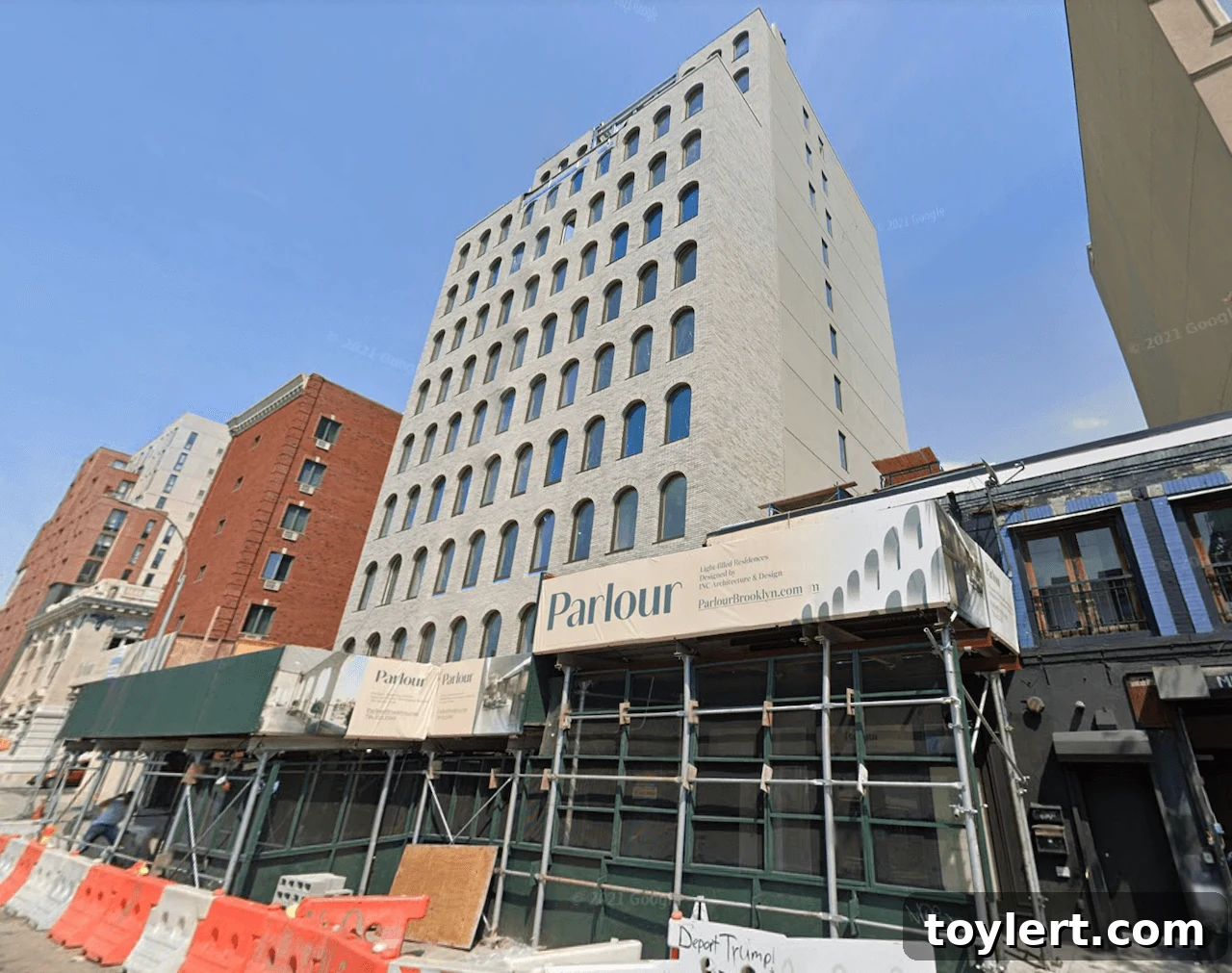
Brooklyn Contractor Indicted in Park Slope Scaffolding Collapse: A Deep Dive into Construction Safety and Accountability
A disturbing incident from 2019 has resurfaced with significant legal developments, bringing critical issues of construction safety and corporate accountability back into the spotlight. Brooklyn prosecutors recently announced the indictment of a prominent contractor and its foreman following a devastating scaffolding collapse in Park Slope. This near-deadly accident left three individuals injured, with one victim suffering permanent brain damage, a stark reminder of the profound human cost when safety protocols are neglected.
The firm at the center of this legal battle is Silvercup Scaffolding, a Williamsburg-based contractor, along with its foreman, Zeke Fagan. Both are now facing serious charges including reckless endangerment and criminal mischief. These charges stem from the June 2019 collapse at The Parlour, a luxury condominium building located at 243 4th Avenue, which was actively under construction at the time. The severity of the charges underscores the prosecution’s commitment to holding those responsible accountable for alleged negligence that led to such severe consequences.
The Tragic Incident Unfolds: A Day That Changed Lives
On that fateful day in June 2019, what should have been a routine construction site operation turned into a nightmare for innocent bystanders. The scaffolding, an essential piece of equipment designed to ensure worker safety and facilitate building work, suddenly gave way. The collapse sent debris crashing down onto the street below, catching pedestrians off guard and causing immediate chaos. Emergency services were swiftly on the scene, attending to the injured and securing the area. While three people sustained injuries, the most tragic outcome was for a young woman who, through no fault of her own, was left with life-altering permanent brain damage.
This incident wasn’t merely an unfortunate accident; prosecutors allege it was a preventable tragedy rooted in a blatant disregard for established safety standards. Scaffolding is a fundamental component of urban construction, particularly in densely populated areas like New York City. Its structural integrity is paramount, and any failure can have catastrophic implications for workers, the public, and the reputation of the construction industry as a whole. The collapse at The Parlour served as a grim testament to this reality, highlighting the critical need for constant vigilance and strict adherence to safety regulations.
Charges and Legal Ramifications: Seeking Justice for Negligence
Brooklyn District Attorney Eric Gonzalez minced no words in his statement regarding the indictment. “This is a tragedy that never should have happened,” he asserted, highlighting the preventable nature of the incident. The DA’s office alleges that the defendant, through Silvercup Scaffolding and foreman Zeke Fagan, “ignored industry safety protocols by failing for days to either secure or remove the scaffolding at this site.” This alleged inaction is presented as the direct cause of the devastating impact on the young woman whose life was irrevocably altered. Gonzalez affirmed, “We will now seek to hold him accountable for his reckless, irresponsible and criminal behavior.”
The charges of reckless endangerment and criminal mischief carry significant legal weight. Reckless endangerment, a serious offense, implies that the defendant’s conduct created a grave risk of death or serious physical injury to another person. Criminal mischief, in this context, would likely relate to the damage caused to property and potentially the public sphere by the collapse. These are not minor infractions but charges that reflect a perceived severe dereliction of duty and disregard for public safety. The legal proceedings will undoubtedly delve into the specifics of what actions or inactions led to the collapse, examining everything from installation procedures to maintenance logs and oversight protocols. The outcome of this case could set a precedent for how similar construction accidents involving negligence are prosecuted in the future, emphasizing the legal and ethical obligations of contractors.
The Human Cost: A Life Forever Changed
While legal battles often focus on statutes, evidence, and penalties, it is crucial to remember the profound human toll of such incidents. The victim who suffered permanent brain damage embodies the most devastating consequence of alleged negligence. Brain injuries can lead to a myriad of long-term challenges, including cognitive impairments, memory loss, speech difficulties, motor skill deficits, and profound emotional and psychological distress. A person’s independence, career prospects, and quality of life can be dramatically impacted, requiring extensive medical treatment, rehabilitation, and ongoing care. For the victim and their family, the journey towards recovery is often arduous and lifelong, marked by immense physical, emotional, and financial burdens.
This tragic outcome serves as a powerful reminder that construction safety is not merely about compliance with regulations; it is fundamentally about protecting human lives and well-being. The alleged failure to secure or remove the scaffolding for days, as asserted by the prosecution, speaks to a systemic issue where immediate dangers were reportedly overlooked or ignored. The impact on this young woman underscores why meticulous planning, rigorous oversight, and an unwavering commitment to safety should always take precedence over speed or cost-cutting measures in the construction industry.
Understanding Scaffolding Safety: A Critical Imperative
Scaffolding is indispensable for almost every major construction project, from residential buildings to towering skyscrapers. It provides workers with a stable and safe platform to perform tasks at various heights. However, its very nature—being a temporary, elevated structure—means that it requires stringent design, installation, inspection, and maintenance protocols. Failure at any stage can lead to catastrophic consequences.
Common Causes of Scaffolding Collapses:
- Improper Erection: Scaffolding must be assembled according to manufacturer specifications and engineering plans. Deviations, shortcuts, or using incompatible components can compromise stability.
- Inadequate Bracing and Tying: Scaffolding needs to be properly braced and tied to the building structure at specified intervals to prevent swaying or tipping, especially in adverse weather conditions.
- Overloading: Placing excessive weight from materials, equipment, or too many workers can exceed the scaffolding’s load-bearing capacity, leading to structural failure.
- Poor Maintenance and Inspections: Regular inspections are vital to identify and address wear and tear, corrosion, loose components, or damage before they become critical.
- Worker Error and Lack of Training: While less common as a direct cause of collapse, improper use or modification of scaffolding by untrained workers can contribute to instability.
- Defective Materials: Using substandard or damaged components during assembly can weaken the entire structure.
- Adverse Weather Conditions: High winds, heavy rain, or snow can exert significant forces on scaffolding, making proper securing even more critical.
Industry best practices and regulations, such as those set forth by the Occupational Safety and Health Administration (OSHA) and local building departments, are designed to mitigate these risks. These standards cover everything from material specifications and design requirements to erection procedures, inspection schedules, and worker training. Compliance is not optional; it is a legal and ethical obligation for all contractors and construction firms.
Navigating the Legal Landscape of Construction Accidents
When a scaffolding collapse occurs, the legal ramifications extend beyond criminal charges. There are often parallel civil lawsuits seeking compensation for victims’ injuries, medical expenses, lost wages, and pain and suffering. These cases can be complex, involving expert testimony, detailed investigations, and often lengthy legal battles.
The Role of Regulatory Bodies: OSHA and Local Departments:
Government agencies like OSHA play a crucial role in promoting and enforcing workplace safety standards. OSHA conducts inspections, investigates accidents, and can issue citations and impose fines for violations. In New York City, the Department of Buildings (DOB) also has extensive regulations concerning construction sites, including specific rules for scaffolding permits, inspections, and safety protocols. These agencies work to ensure that contractors adhere to safety guidelines and maintain secure environments for both workers and the public. A serious incident like the Park Slope collapse typically triggers investigations by these bodies, leading to findings that can inform both criminal and civil proceedings.
Accountability and Deterrence:
The prosecution of Silvercup Scaffolding and Zeke Fagan sends a clear message: alleged negligence leading to serious injury will not be tolerated. Holding individuals and companies accountable for their actions serves as a deterrent, encouraging other contractors to prioritize safety. It reinforces the principle that while construction is inherently risky, preventable accidents caused by a failure to follow established safety protocols are unacceptable and can have severe legal consequences.
Preventing Future Tragedies: A Call for Vigilance
The Park Slope scaffolding collapse, and the subsequent indictment, serve as a potent reminder of the ongoing need for vigilance in the construction industry. Preventing similar tragedies requires a multi-faceted approach involving robust safety cultures, comprehensive training, and rigorous oversight.
Robust Safety Protocols and Training:
Every construction company must establish and strictly enforce comprehensive safety protocols. This includes detailed plans for scaffolding erection, inspection, maintenance, and dismantling. Furthermore, all personnel involved in scaffolding operations—from laborers to foremen and project managers—must receive thorough and regular training on safety procedures, hazard identification, and emergency responses. Knowledge and adherence to these protocols are the first line of defense against accidents.
Regular Inspections and Maintenance:
Scaffolding should be inspected not only upon erection but also daily before use, after any modifications, and after severe weather events. These inspections must be documented, and any identified issues must be promptly addressed by qualified personnel. Preventative maintenance is equally crucial, ensuring that all components remain in good working order and are replaced when necessary. The alleged failure to secure or remove the Park Slope scaffolding for “days” highlights a critical breakdown in this essential aspect of safety.
Empowering Workers to Report Unsafe Conditions:
Creating an environment where workers feel empowered and safe to report unsafe conditions without fear of reprisal is paramount. Often, frontline workers are the first to identify potential hazards. Companies should implement clear channels for reporting safety concerns and ensure that all reports are taken seriously and acted upon immediately. A proactive approach to safety, where every team member is invested in maintaining a secure work environment, is the most effective way to prevent accidents.
Conclusion: A Commitment to Safer Construction
The indictment of Silvercup Scaffolding and its foreman, Zeke Fagan, in connection with the Park Slope scaffolding collapse represents a significant step towards justice for the victims and a powerful statement about accountability in the construction industry. This incident tragically illustrates the devastating impact that alleged negligence can have, particularly when it leads to life-altering injuries such as permanent brain damage.
As the legal proceedings unfold, the case will continue to underscore the critical importance of adhering to stringent safety protocols, conducting thorough inspections, and fostering a culture of safety on every construction site. For the sake of workers, pedestrians, and the integrity of urban development, the lessons learned from tragedies like the Park Slope collapse must translate into enduring commitments to safer construction practices across Brooklyn and beyond. Only through unwavering vigilance and accountability can we hope to prevent such avoidable misfortunes from recurring.