Carroll Gardens at a Crossroads: Proposed Homeless Shelter Ignites Intense Community Debate
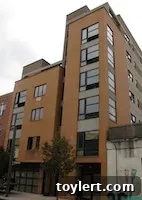
The serene, tree-lined streets of Carroll Gardens, Brooklyn, are currently at the epicenter of a heated community debate following a controversial proposal to convert a residential building at 165 West 9th Street into a homeless shelter. First reported by Pardon Me For Asking, this development has sparked significant concern among local residents and business owners, highlighting the complex challenges of urban development, social responsibility, and neighborhood preservation in one of New York City’s most cherished districts. The building, a ten-unit residential structure erected in 2002, sits just off the vibrant Court Street, mere steps from popular local establishments like Buttermilk Channel, making its proposed transformation a matter of profound local interest and contention.
The Proposal Unveiled: A Shelter for 170 Adults
At the heart of the current uproar is a plan put forth by a Bronx-based nonprofit organization. Their proposal outlines the configuration of the existing building to accommodate 170 adults, serving as a much-needed facility within New York City’s extensive network of homeless shelters. While the specific demographic of the proposed residents has not been fully detailed, such shelters typically provide temporary housing and support services to single adults experiencing homelessness, aiming to help them transition to more stable living situations.
The demand for homeless shelters in New York City remains critically high. With thousands of individuals and families experiencing homelessness on any given night, the city continuously seeks viable locations to establish new facilities. These shelters play a crucial role in providing immediate refuge, food, and access to essential services such as case management, job placement assistance, and healthcare. Proponents of the Carroll Gardens shelter argue that it represents a necessary step in addressing this humanitarian crisis, offering a safe haven for vulnerable individuals who might otherwise be living on the streets.
The Building’s Past: A Scarano Design Under Scrutiny
Adding another layer of complexity to the unfolding situation is the history of the building itself. The ten-unit residential structure at 165 West 9th Street was completed in 2002 and was reportedly self-certified by architect Robert Scarano. Scarano, a prominent but controversial figure in Brooklyn real estate development, has a well-documented past that has often placed him at odds with city regulations and community groups.
His method of “self-certification” – a process that allows architects to certify their own plans without immediate review by the Department of Buildings – has been a subject of contention. Scarano’s career eventually led to significant penalties, and he is no longer permitted to file applications with the city. This historical context raises questions and potential concerns for some residents about the building’s original design, structural integrity, or any potential modifications required for its conversion into a large-scale shelter. While the current proposal likely undergoes rigorous city review, the architect’s past casts a long shadow, fueling skepticism among an already apprehensive community.
Carroll Gardens: A Tapestry of History, Community, and Commerce
Carroll Gardens is renowned for its distinctive brownstone architecture, charming front gardens, and a strong sense of community. Historically an Italian-American enclave, the neighborhood has evolved into a diverse, family-friendly area known for its independent boutiques, artisanal food shops, and acclaimed restaurants. Court Street, the main commercial artery, buzzes with activity, drawing visitors and residents alike to its unique offerings. This vibrant economic ecosystem is a source of pride for the community, and its stability is a top concern for local stakeholders.
The proximity of 165 West 9th Street to Court Street and beloved establishments like Buttermilk Channel amplifies the community’s anxieties. Residents cherish their neighborhood’s peaceful ambiance and robust local economy. The thought of a large-scale shelter, particularly one housing 170 adults, in such a central location sparks fears about potential impacts on public safety, property values, and the overall character of Carroll Gardens. The preservation of this unique blend of residential charm and thriving commerce is a primary driver behind the community’s strong reaction.
Community Backlash: “The Worst Thing That Could Possibly Happen”
The proposal has been met with immediate and vocal opposition from many Carroll Gardens residents and local business owners. A nearby business owner on Court Street succinctly articulated the sentiment, labeling the shelter as “the worst thing that could possibly happen to businesses with an already fragile economy.” This statement encapsulates the deep-seated fears concerning economic repercussions.
Concerns extend beyond just the economic impact. Many residents voice worries about potential increases in crime, changes to the neighborhood’s quiet atmosphere, and the perceived strain on local services and infrastructure. This phenomenon, often termed “NIMBYism” (Not In My Backyard), is a common response to the placement of social service facilities in residential areas. While opponents often express compassion for the homeless, they simultaneously advocate for the protection of their neighborhood’s existing quality of life. The challenge lies in finding a balance between addressing a city-wide social issue and respecting the legitimate concerns of affected communities.
These community concerns are not unfounded; sudden demographic shifts or increased foot traffic can indeed present integration challenges. However, many studies on the impact of homeless shelters on neighborhoods have shown varied results, with significant negative impacts often being more perceived than real, especially when shelters are well-managed and integrated with community input. The key to mitigating negative impacts often lies in transparent communication, robust support services within the shelter, and active community engagement.
Navigating the Official Channels: Community Board 6 Steps In
In response to the mounting community apprehension, Carroll Gardens’ local governmental body, Community Board 6, has announced its intention to facilitate a public dialogue. Craig Hammerman, the CB6 District Manager, confirmed that the board would organize a public meeting to gather more information about the proposal firsthand and allow residents to voice their opinions directly.
Community Boards in New York City serve as vital conduits between residents and city agencies. They are advisory bodies composed of local volunteers who represent their neighborhood’s interests. Public meetings hosted by these boards are critical for democratic engagement, providing a platform for residents to ask questions, express concerns, and offer alternative suggestions. For a project of this magnitude, the Community Board’s role in gathering community feedback and relaying it to relevant city departments (such as the Department of Homeless Services and the Department of Buildings) is paramount. The upcoming meeting will be a crucial step in the decision-making process, allowing all stakeholders – the nonprofit, city officials, residents, and business owners – to engage in a structured discussion. The outcome of these discussions will undoubtedly influence whether the proposal moves forward and under what conditions.
The Broader Context: Homelessness in New York City
New York City faces a persistent and escalating homelessness crisis, with tens of thousands of individuals, including families with children, relying on the municipal shelter system each night. A complex array of factors contributes to this crisis, including a severe shortage of affordable housing, economic hardship, mental health issues, substance abuse, and domestic violence. The city has a legal and moral obligation to provide shelter to anyone who needs it, a right enshrined by the “right to shelter” mandate.
To meet this demand, the city operates a vast network of shelters across all five boroughs. However, finding suitable locations for new shelters is an ongoing challenge, often leading to conflicts with local communities, similar to the situation unfolding in Carroll Gardens. The need for compassionate and effective solutions is clear, and the debate in Carroll Gardens underscores the difficult balance between providing essential services for the city’s most vulnerable populations and addressing the concerns of established neighborhoods.
Looking Ahead: An Uncertain Future for 165 West 9th Street
The future of 165 West 9th Street remains uncertain. The passionate opposition from Carroll Gardens residents, coupled with the Community Board’s commitment to public engagement, indicates that the path forward for this shelter proposal will likely be contentious and prolonged. The upcoming public meeting will serve as a pivotal moment, determining the depth of community resistance and guiding the next steps for all parties involved. It is a critical opportunity for the nonprofit to present its case, for city agencies to explain their rationale, and for the community to articulate its concerns and propose solutions.
As the discussion progresses, the focus will undoubtedly be on finding common ground – an outcome that respects both the pressing need to address homelessness in New York City and the legitimate aspirations of a thriving community like Carroll Gardens to preserve its unique character and economic vitality. The resolution of this local debate will not only impact 165 West 9th Street but may also set a precedent for future development and social service initiatives across Brooklyn and beyond.
GMAP
For further reading on the initial report: Homeless Shelter for Scarano Building in Carroll Gardens? [Pardon Me For Asking]
Photo via PMFA