Installing a DIY Chandelier in Your Rental Apartment: What Landlords and Tenants Need to Know
Transforming a rental apartment into a personalized sanctuary often involves adding unique touches, and a distinctive lighting fixture can dramatically elevate a living space. However, when the desire for a custom look meets the practicalities of rental agreements and electrical safety, questions inevitably arise. This is precisely the dilemma faced by one of our crafty readers, essais, who wishes to install a magnificent DIY chandelier in their rental living room.
The Appeal of DIY Lighting: A Personalized Touch
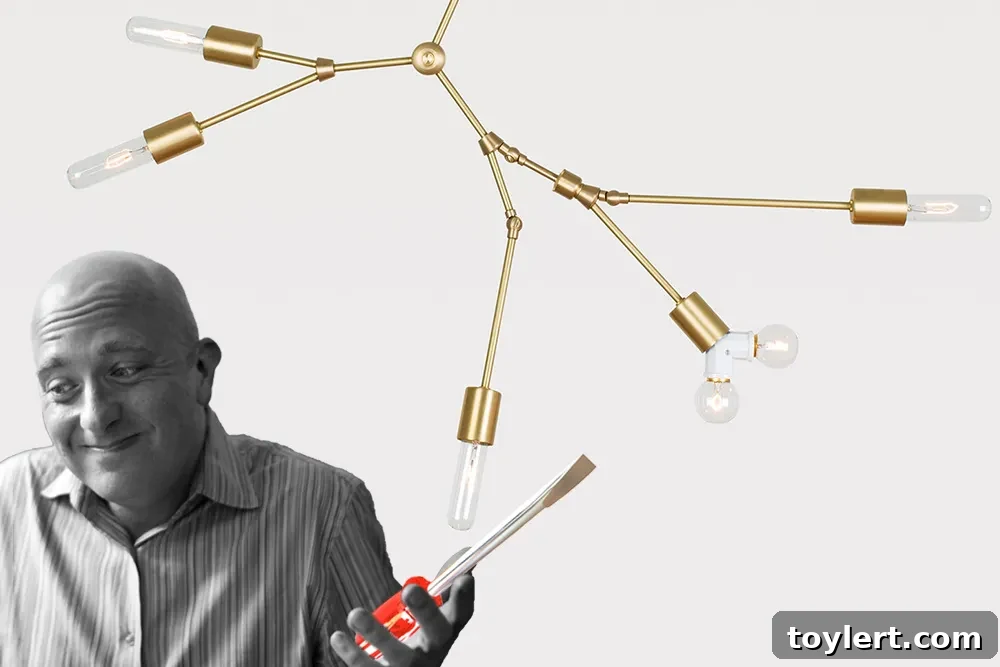
The allure of a do-it-yourself project, particularly for home decor, lies in its ability to offer bespoke style without the hefty price tag of designer pieces. Lindsey Adelman’s iconic chandeliers, with their striking, organic forms, have inspired countless DIY enthusiasts to create their own versions, providing a unique blend of artistry and personal effort. Essais, having successfully crafted their own Lindsey Adelman DIY chandelier, is now ready to take the next step: installation. The plan includes hiring a licensed electrician, a responsible and crucial decision for any electrical work.
The Core Concern: UL Listing and Insurance Implications
Despite the intention to employ a professional, a significant hurdle remains: the chandelier’s non-UL listed status. This detail sparked debate among online communities and is the central point of essais’s query:
I live in a rental and I would like to install a chandelier in the living room. I made the Lindsey Adelman DIY chandelier. I plan to have a licensed electrician install the fixture. However, after reading through some blog posts and comments about the fixture, it seems like some people would be hesitant to install the fixture in a rental because if it’s not a UL listed lighting fixture, it negates the insurance on the building. If you were a landlord, would you be hesitant to let your tenant install a DIY light fixture even if an electrician installed it?
This question cuts to the heart of a common tension in rental living: a tenant’s desire for customization versus a landlord’s need to protect their property and comply with regulations. Let’s delve deeper into why a non-UL listed fixture, even professionally installed, can be a major point of contention.
Understanding UL Listing: The Gold Standard for Electrical Safety
UL, or Underwriters Laboratories, is a global safety certification company that tests products and components for safety. A UL listing indicates that a product meets specific safety standards and has been tested to reduce the risk of fire, electric shock, and other hazards. For electrical fixtures, a UL listing is a common requirement in building codes and is generally accepted as proof of safety and compliance. When a fixture is “UL listed,” it means it has undergone rigorous testing and inspection to ensure it functions safely under normal use.
Why UL Listing Matters for Rental Properties
The absence of a UL listing for an electrical fixture in a rental property introduces several critical concerns, primarily related to insurance and liability:
- Insurance Nullification: As essais correctly points out, a non-UL listed fixture could potentially void or complicate a building’s insurance policy. Many insurance providers specify that all installed electrical components must be up to code and certified by recognized safety organizations. If an incident (like a fire) occurs and is traced back to an uncertified fixture, the insurance company might deny coverage, leaving the landlord with significant financial burdens.
- Landlord Liability: Landlords have a legal responsibility to provide a safe living environment. Installing an uncertified electrical fixture, even with a tenant’s consent, could be seen as negligence on the landlord’s part if an accident were to happen. This could expose the landlord to lawsuits and significant legal ramifications.
- Building Code Compliance: Most local building codes require electrical installations to meet specific safety standards, often referencing certifications like UL. Deviations could lead to failed inspections, fines, and even orders to remove or replace the fixture, creating further hassle and expense.
The Landlord’s Perspective: Protecting Property and Investment
From a landlord’s viewpoint, the decision to allow a non-UL listed DIY chandelier isn’t just about aesthetics; it’s about risk management and legal compliance. Their property is a significant investment, and any modification that could jeopardize its safety, insurance, or value is a serious concern.
Key Concerns for Landlords:
- Financial Risk: The potential for insurance denial or increased premiums is a major deterrent. A fire caused by a faulty fixture could lead to catastrophic property damage, displacement of tenants, and extensive repair costs.
- Legal Exposure: Beyond property damage, personal injury liability is a substantial worry. If a tenant or guest is injured due to a non-compliant electrical fixture, the landlord could face considerable legal action.
- Precedent Setting: Allowing one tenant to install a non-UL listed fixture might open the door for others to request similar modifications, potentially creating a portfolio of uncertified installations and escalating overall risk.
- Resale/Re-renting Challenges: When it comes time to sell or re-rent the apartment, non-compliant fixtures could be flagged during inspections, requiring costly removal or replacement before the property can change hands.
- Maintaining Professional Standards: Many landlords strive to maintain their properties to high professional standards, which includes ensuring all installed fixtures meet safety certifications.
Even with a licensed electrician performing the installation, their work is primarily focused on the wiring and connections, ensuring they meet code. An electrician cannot “certify” a fixture itself as UL-listed if it hasn’t gone through the testing process. Their installation expertise reduces the risk of faulty wiring but doesn’t negate the inherent risks of an uncertified product.
The Tenant’s Perspective: Balancing Creativity and Responsibility
Tenants, like essais, often want to imbue their temporary homes with personal style. The desire to create a unique living space is entirely understandable. However, this desire must be balanced with the responsibilities that come with renting a property.
Tenant Responsibilities and Proactive Steps:
- Reviewing the Lease Agreement: Most leases contain clauses about alterations, modifications, and electrical work. Tenants should always review these sections thoroughly before considering any changes.
- Open Communication: The most crucial step is to initiate an open and honest conversation with the landlord *before* any work begins. Clearly explain the project, the steps being taken (like hiring a licensed electrician), and address their potential concerns.
- Offering Solutions: Tenants can proactively research alternative, certified DIY lighting kits or propose temporary, non-hardwired solutions that achieve a similar aesthetic.
- Understanding Limitations: While a licensed electrician is essential, it’s vital for tenants to understand that even a professional installation doesn’t magically bestow a UL listing upon an uncertified fixture.
Navigating the Conversation: Seeking Permission and Finding Alternatives
For essais and other tenants facing similar dilemmas, a strategic approach is key. Instead of assuming permission, it’s vital to present a well-thought-out case to the landlord, addressing their concerns head-on.
Tips for Tenants:
- Prepare Your Pitch: Explain why you want the chandelier, emphasize your commitment to safety (hiring a licensed electrician), and acknowledge the landlord’s valid concerns about insurance and liability.
- Provide Documentation: If possible, present any safety measures taken in the DIY construction, even if it’s not a UL certification. Provide the electrician’s credentials and a plan for the installation process.
- Suggest Compromises:
- Temporary Installation: Could the chandelier be installed in a way that is easily reversible upon moving out, with the original fixture reinstalled?
- Plug-In Conversion: Is it possible to convert the chandelier into a plug-in fixture that doesn’t require hardwiring, thus bypassing most electrical code concerns for the building’s wiring? This might involve creative routing of the cord or using ceiling hooks to support the fixture.
- Alternative, Certified Fixtures: Researching similar aesthetics available as UL-listed fixtures might be a viable compromise.
- Tenant’s Insurance: While not a substitute for building insurance, offering proof of robust renter’s insurance might demonstrate your commitment to responsibility.
- Offer to Sign a Rider: In some rare cases, a landlord might agree to an installation if a specific rider is added to the lease, clearly outlining responsibilities, liability, and an agreement to remove the fixture and restore the original upon vacating. However, many landlords would still be hesitant due to potential nullification of their own building insurance.
Alternative Solutions for Aesthetic Lighting in Rentals
If direct hardwiring of a non-UL listed fixture proves impossible, there are still many ways to achieve stylish lighting in a rental:
- Plug-In Chandeliers or Pendants: These fixtures offer the dramatic look of a chandelier without the need for hardwiring. They simply plug into a standard outlet, and their cords can be discreetly managed or even become part of the decor. This is often the safest and most landlord-friendly option for unique lighting.
- Floor Lamps and Tall Arc Lamps: A well-placed floor lamp with an interesting design can create a similar focal point and ambiance to a hanging fixture. Arc lamps, in particular, can extend over seating areas, mimicking the effect of an overhead light.
- Smart Lighting Solutions: Incorporate smart bulbs and strip lighting to change the mood and look of a room without permanent fixtures. These can highlight architectural features or artwork.
- DIY with UL-Listed Components: If the DIY aspect is paramount, consider building a fixture using UL-listed electrical components and following certified wiring diagrams. While the final assembly might still not carry a specific fixture UL label, using certified parts significantly enhances safety.
Conclusion: Prioritizing Safety, Communication, and Compliance
The question of installing a DIY, non-UL listed chandelier in a rental apartment highlights a critical intersection of personal expression, property safety, and legal responsibility. While a tenant’s creativity is valuable, a landlord’s primary concern must always be the safety and integrity of their property, as well as their legal and insurance obligations.
For landlords, the hesitation to allow such an installation is completely understandable and, in many cases, legally prudent. The potential for insurance issues and liability far outweighs the benefit of a personalized light fixture. For tenants like essais, the best path forward involves open, honest communication with the landlord, a clear understanding of lease terms, and a willingness to explore safe, compliant alternatives if direct installation isn’t feasible. Ultimately, a beautiful home should always be a safe home, and ensuring electrical installations meet recognized safety standards is paramount for everyone involved.