Navigating the Surge: Understanding Why Apartment Building Insurance Rates Are Skyrocketing
In the complex world of real estate investment, managing operational costs is paramount. However, a significant and increasingly unpredictable expense has been impacting multi-family property owners across the nation: apartment building insurance premiums. Recent data reveals an alarming trend, with rates soaring by approximately 20 percent annually over the past two years. This unprecedented surge isn’t merely a minor adjustment; it’s a profound shift in the insurance landscape, presenting substantial challenges for property owners, developers, and management companies. Understanding the multifaceted causes behind these escalating costs is the first step toward developing effective mitigation strategies and safeguarding your investment.
The Unprecedented Rise: A Deeper Look at the Numbers
For many property owners, the sharp increase in apartment building insurance costs has been a source of considerable concern. A consistent 20 percent year-over-year increase is not only unsustainable but also forces a re-evaluation of financial models and long-term planning. This trend extends beyond just multi-family dwellings; it encompasses a broad spectrum of commercial and residential property insurance, including policies for brownstones, townhouses, condominiums, and co-operative buildings. Even umbrella insurance, designed to provide an extra layer of liability protection, is experiencing significant rate hikes, signaling a systemic challenge within the wider insurance industry.
This situation highlights a fundamental change in how insurers assess and price risk. Gone are the days of predictable, incremental adjustments. Today’s market is characterized by volatility, driven by a confluence of global and local factors that exert immense pressure on underwriting profitability. Property owners are now facing the reality that insurance, once a relatively stable expense, has become one of the most dynamic and rapidly increasing components of their operating budgets.
Key Drivers Behind the Escalation of Insurance Premiums
The reasons behind this dramatic increase are complex and interconnected, stemming from a combination of environmental, economic, and market-specific pressures. A holistic understanding of these factors is crucial for property owners seeking to navigate this challenging environment.
1. The Escalating Threat of Catastrophic Losses and Climate Change
One of the most significant contributors to rising insurance rates is the undeniable increase in the frequency and severity of catastrophic natural disasters. From devastating hurricanes and tropical storms along coastal regions to widespread wildfires scorching the Western states, and intensifying tornadoes and floods across the Midwest, climate change is reshaping the risk landscape. These events result in billions of dollars in insured losses annually, straining the financial reserves of insurance companies worldwide.
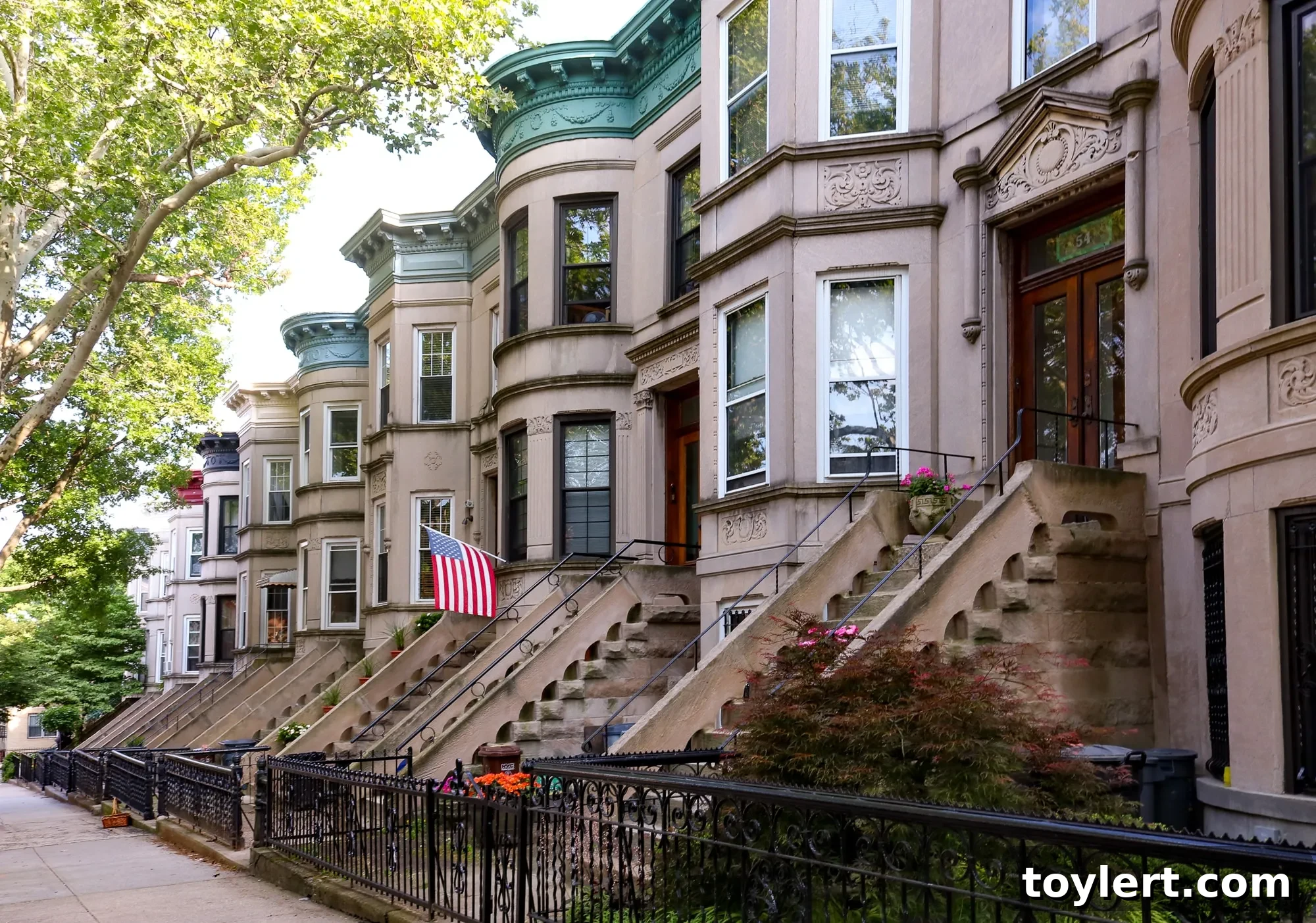
For apartment buildings, especially those in urban or historically built areas like brownstones and townhouses, the risk is amplified. Older structures may be more vulnerable to extreme weather, and the concentration of properties in dense urban environments means that a single event can cause widespread damage, leading to massive claims. Insurers, in response, must adjust their premiums to cover these higher projected payouts, directly impacting policyholders.
2. A Strained Global Reinsurance Market
At the heart of the insurance industry lies reinsurance – a system where insurance companies transfer a portion of their risks to other insurers (reinsurers) to limit their own exposure to large losses. This global market is crucial for the stability of the entire insurance ecosystem. However, the surge in catastrophic losses has placed immense pressure on reinsurers. When reinsurers face higher payouts, they, in turn, increase the cost of coverage they provide to primary insurers.
This trickle-down effect is profound. As primary insurers pay more for their own coverage, they must pass these increased costs onto their policyholders, including apartment building owners. The reinsurance market has seen its capacity shrink in some regions, and prices have hardened considerably, making it more expensive and challenging for insurers to secure adequate protection. This directly translates to higher premiums for property owners, even those who may not have experienced a claim themselves.
3. Inflationary Pressures on Repair and Rebuilding Costs
The global economic climate also plays a critical role in the rise of insurance premiums. High inflation rates, particularly in the construction sector, mean that the cost to repair or rebuild damaged properties has escalated dramatically. Materials like lumber, steel, concrete, and roofing supplies have seen significant price hikes. Labor shortages, increased wages, and supply chain disruptions further exacerbate these costs.
Since insurance policies are designed to cover the cost of replacing or repairing property, the sum insured (and thus the premium) must keep pace with these inflated rebuilding costs. Insurers are adjusting their actuarial models to reflect these new realities, leading to higher premiums to ensure adequate coverage in the event of a claim. Property owners must also be vigilant in ensuring their coverage limits are up-to-date with current replacement costs to avoid underinsurance.
4. The Shadow of Social Inflation and Increased Litigation
Beyond natural disasters and economic factors, the rising trend of “social inflation” is contributing to higher liability insurance costs. Social inflation refers to the increase in the cost of insurance claims due to broader societal trends, particularly an increase in jury awards in liability lawsuits, often referred to as “nuclear verdicts.” This phenomenon sees juries awarding larger settlements for damages, including pain and suffering, impacting the commercial liability component of apartment building policies.
The heightened litigious environment, coupled with evolving legal interpretations and increased public awareness of potential claims, means insurers face greater exposure to costly lawsuits. From slip-and-fall incidents to claims related to inadequate security or tenant disputes, the potential for significant legal expenses forces insurers to factor these risks into their premium calculations. This directly impacts the liability portion of apartment building insurance, pushing overall rates higher.
5. Broader Market Dynamics and Underwriting Profitability
The overall health and stability of the insurance market also influence pricing. Insurers operate on cycles, and the current environment is marked by a “hard market,” characterized by rising premiums, stricter underwriting guidelines, and reduced capacity. After several years of significant losses, many insurers are re-evaluating their portfolios, pulling back from high-risk areas, and seeking to improve their underwriting profitability.
Additionally, investment returns for insurance companies, which typically supplement premium income, have faced volatility. When investment income is lower, insurers rely more heavily on premiums to meet their financial obligations. All these broader market dynamics collectively contribute to a less favorable pricing environment for property owners, necessitating a more rigorous approach to securing adequate and affordable coverage.
What This Means for Multi-Family Property Owners
The implications of these rising insurance rates are far-reaching for owners of brownstones, townhouses, multi-family units, and co-op/condo boards. Higher premiums directly impact cash flow, reduce net operating income, and can affect property valuations. For some, the increased costs may necessitate difficult decisions regarding rent adjustments or deferral of non-essential property improvements. Without careful planning, these increases can significantly erode profit margins and create financial instability.
Moreover, the complexity of securing adequate coverage has grown. Insurers are increasingly scrutinizing properties, demanding more detailed risk assessments, and in some cases, declining to renew policies in areas deemed too high-risk. This leaves property owners with fewer options and a greater need for expert guidance to navigate the evolving market effectively.
Strategies for Mitigating Rising Apartment Building Insurance Costs
While the factors driving premium increases are largely outside an individual owner’s control, there are proactive steps property owners can take to manage and potentially mitigate their insurance expenditures.
1. Partnering with an Experienced Insurance Broker
One of the most crucial strategies is to work with an independent insurance agency that specializes in multi-family and commercial property insurance. An experienced broker, like Brownstone Agency, Inc., possesses deep market knowledge and relationships with multiple carriers. They can shop around for the most competitive rates, identify niche insurers, and advise on optimal coverage structures tailored to your specific property and risk profile. Their expertise becomes invaluable in a hard market, providing access to solutions that might not be available directly to property owners.
A reputable broker will not only focus on cost but also on ensuring comprehensive coverage, safeguarding against potential gaps that could lead to significant out-of-pocket expenses during a claim. They can help you understand the nuances of various policies, including deductibles, exclusions, and limits, allowing for informed decision-making.
2. Implementing Proactive Risk Management and Property Upgrades
Insurers look favorably upon properties that demonstrate a commitment to risk mitigation. Investing in property upgrades and maintaining robust safety protocols can significantly reduce your risk profile and potentially lead to better insurance terms. This includes:
- Fire Safety Systems: Updating fire alarms, sprinkler systems, and ensuring regular inspections.
- Water Leak Detection: Installing smart leak detectors, especially in older buildings, to prevent costly water damage.
- Roof Maintenance: Regular inspections and timely repairs or replacements to prevent storm-related damage.
- Security Enhancements: Upgrading locks, installing surveillance cameras, and improving lighting to deter crime and reduce liability risks.
- Structural Reinforcement: For properties in high-risk zones (e.g., flood plains, hurricane paths), consider improvements like flood barriers, hurricane-resistant windows, or structural reinforcements.
- Preventative Maintenance: Routine checks on plumbing, electrical systems, and HVAC can prevent unforeseen breakdowns and associated claims.
Documenting these improvements and regularly communicating them to your broker can demonstrate to insurers that your property is a lower risk, potentially influencing underwriting decisions and premium calculations.
3. Thorough Policy Review and Comparison
Never settle for simply renewing your existing policy without a thorough review. Work with your broker to compare quotes from multiple insurers and carefully examine the terms and conditions of each policy. Consider:
- Deductibles: A higher deductible can lower your premium, but ensure it’s an amount you can comfortably afford in the event of a claim.
- Coverage Limits: Verify that your coverage limits are adequate to rebuild your property at current construction costs and cover potential liability exposures. Underinsurance is a dangerous gamble.
- Exclusions: Understand what is not covered. Some policies may have specific exclusions for certain types of water damage, mold, or even specific perils in high-risk zones.
- Additional Coverages: Discuss whether you need specialized coverages like flood insurance (often separate from standard policies), earthquake insurance, or business interruption insurance.
An annual policy review ensures that your coverage remains appropriate for your evolving needs and market conditions.
4. Emphasizing Safety and Loss Prevention Culture
Beyond physical upgrades, fostering a culture of safety among tenants and staff can also contribute to fewer claims. This includes:
- Tenant Education: Providing information on fire safety, preventing water leaks, and reporting maintenance issues promptly.
- Emergency Preparedness: Developing and communicating clear emergency plans for various scenarios (fire, severe weather).
- Regular Inspections: Conducting routine property inspections to identify and address potential hazards before they lead to an incident.
Demonstrating proactive loss prevention efforts can strengthen your position with insurers.
The Future of Apartment Building Insurance: Resilience and Adaptation
The current landscape suggests that the upward trend in apartment building insurance rates is likely to continue in the short to medium term. As climate change impacts intensify and economic pressures persist, insurers will continue to refine their risk models and pricing strategies. For property owners, this means embracing a mindset of resilience and continuous adaptation.
Investing in sustainable and climate-resilient building practices, staying informed about market changes, and continuously evaluating risk management strategies will be paramount. The ability to demonstrate a proactive approach to risk will increasingly become a differentiator in securing favorable insurance terms.
Why Expertise Matters: The Brownstone Agency Advantage
In such a volatile and challenging insurance market, the value of an experienced, dedicated partner cannot be overstated. Since 1973, Brownstone Agency, Inc. has been a trusted resource, offering quality and affordable insurance solutions specifically tailored for brownstone, townhouse, multi-family owners, and condo and co-op boards. Their decades of experience in the New York market provide them with unparalleled insights into the unique risks and requirements of these property types.
Brownstone Agency’s long-standing commitment to their clients means they understand the intricacies of navigating rising rates and securing comprehensive coverage. They act as advocates, leveraging their expertise to find the best possible protection for your investment, even in the face of market hardening and increasing complexity. When your property’s financial future depends on robust insurance, choosing a specialist with a proven track record is a strategic decision.