Navigating the New York City Landscape: Insights into Public Health, Economy, and Community Resilience
New York City, a global epicenter of culture, commerce, and innovation, consistently faces unique challenges and triumphs that define its dynamic character. Recent periods have tested the city’s resilience across multiple fronts, from public health crises to economic shifts and the intricate workings of urban development. This article delves into the significant developments shaping the five boroughs, exploring the ongoing public health efforts, the city’s financial landscape, the evolving real estate market, and the compelling local stories that capture the true spirit of New Yorkers.
The Evolving Public Health Challenge and Reopening Phases
The city’s battle against public health crises remains a paramount concern, influencing every facet of daily life. Despite stringent measures and a period of relative calm, New York City experienced an alarming uptick in virus cases, signaling the persistent need for vigilance and adaptive strategies. This resurgence necessitated a renewed focus on community-level mitigation, testing, and public awareness campaigns to prevent widespread outbreaks. Health officials and city leaders grappled with the complex task of balancing public safety with the inherent desire for normalcy, reminding residents that the path to full recovery is a marathon, not a sprint.
One of the most delicate and monumental tasks undertaken by the city was the reopening of its elementary schools for in-person learning. This milestone represented a cautious yet optimistic step towards restoring a sense of routine for families and children. However, the reopening was not without its profound difficulties and emotional tolls. The tragic passing of a beloved teacher from the virus cast a somber shadow over the celebratory aspects of returning to classrooms, serving as a stark reminder of the risks involved and the immense sacrifices made by frontline educators. Schools grappled with implementing rigorous safety protocols, managing classroom configurations, and addressing the psychological impact on students and staff, all while striving to provide quality education in an unprecedented environment.
Further complicating the reopening narrative was the contentious decision to proceed with indoor dining amidst the virus uptick. This move sparked considerable debate, highlighting the perennial tension between public health imperatives and economic revitalization. For many struggling restaurants and their employees, the return of indoor dining represented a lifeline, a glimmer of hope for survival after months of closures and restrictions. City officials underscored the importance of strict capacity limits, ventilation requirements, and social distancing measures, emphasizing that the success of this initiative depended heavily on collective compliance and responsible patronage. The decision reflected a calculated risk, aiming to inject much-needed vitality into the city’s hospitality sector while closely monitoring public health indicators.
NYC’s Economic Outlook and the Shifting Real Estate Market
Beyond the immediate health concerns, New York City faced a profound financial crisis, with city leaders describing the situation as being “at war” with a growing financial abyss. The economic fallout from prolonged lockdowns, reduced tax revenues, and increased expenditure on public services created an unprecedented budgetary challenge. This fiscal strain threatened to impact vital city services, infrastructure projects, and the overall quality of life for New residents. Discussions revolved around potential federal aid, innovative revenue generation strategies, and the difficult choices required to navigate a period of severe economic uncertainty, underscoring the interconnectedness of public health and fiscal stability.
Compounding the economic anxieties was a remarkable shift in the city’s notoriously competitive real estate market. From unthinkable to reality, an increasing number of relatively cheap New York City apartments began to sit vacant. This phenomenon, once unimaginable in a city famous for its high demand and premium prices, reflected several factors: an exodus of residents during the height of the crisis, a slowdown in new tenants moving in, and a re-evaluation of urban living dynamics. This glut of available properties presented a unique opportunity for those seeking more affordable housing, while simultaneously raising questions about the long-term implications for property values, rental income, and the city’s overall economic health. The market transformation prompted developers and landlords to reconsider pricing strategies and amenities, adapting to a new era of tenant expectations.
Amidst these broader real estate trends, specific urban development projects continued to draw attention. The proposed rezoning of Gowanus, for instance, emerged as a critical point of discussion, framed by some as a potential “shot at redemption” for the current administration. However, the path to approval for such large-scale development projects is rarely straightforward. Community groups, environmental advocates, and local businesses weighed in on the proposed changes, raising concerns about gentrification, infrastructure strain, and environmental impact. The complexities of urban planning in a densely populated city like New York ensure that such initiatives are subject to rigorous public scrutiny and intense negotiation, with their outcomes far from a “sure thing.”
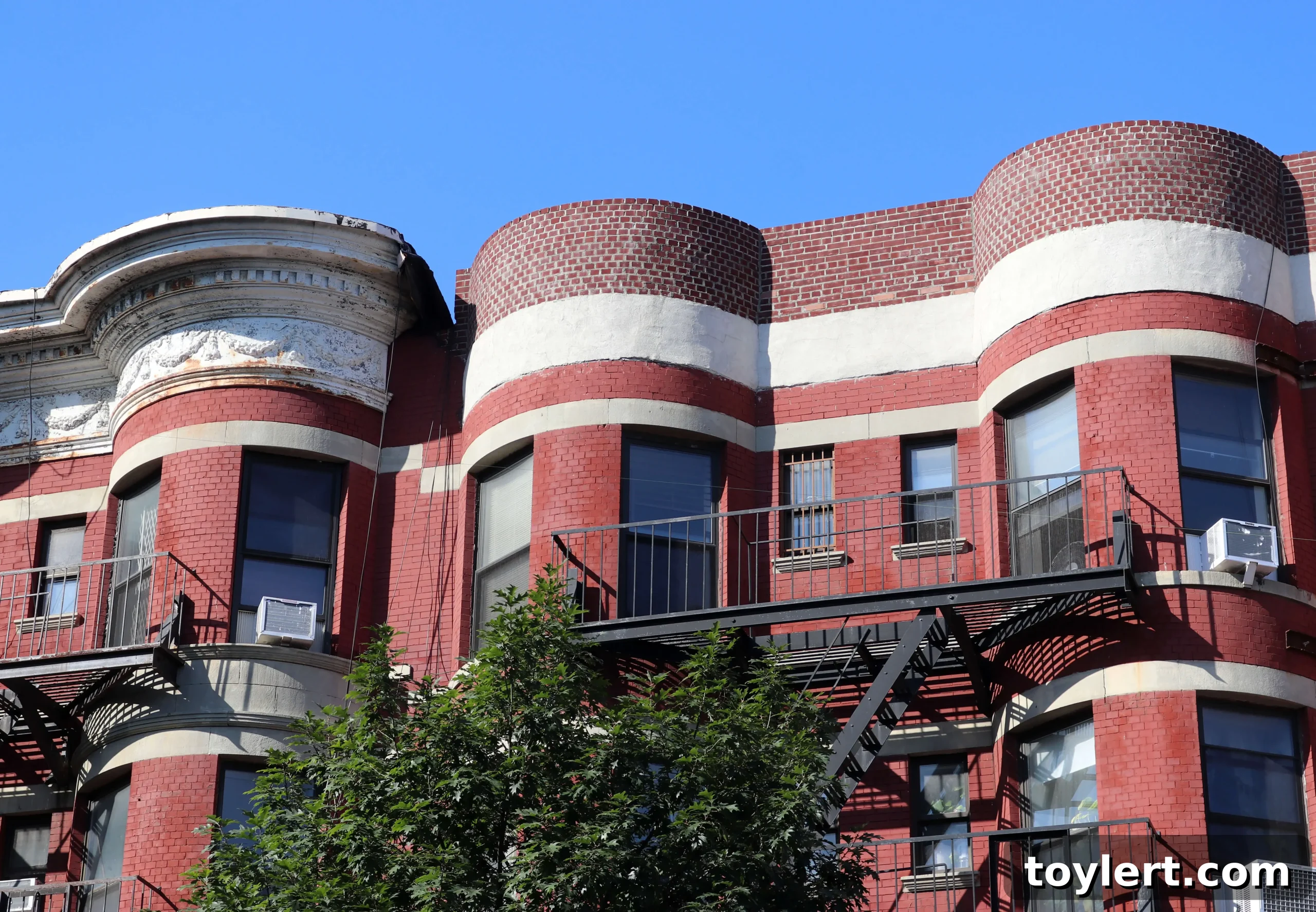
Even as the city navigated these significant challenges, the architectural landscape continued to inspire. A feature on a Brooklyn Heights brownstone showcased a colorful twist on old-school style, reminding residents and admirers of the city’s enduring appeal in design and aesthetics. Such stories highlight the vibrant creativity and ongoing evolution of New York’s residential spaces, blending historical charm with contemporary flair. These glimpses into architectural innovation contribute to the city’s unique identity, demonstrating that even amidst profound changes, the essence of New York’s allure remains intact.
Local Happenings and the Pulse of the City
Beyond the major headlines, the daily life of New Yorkers continued to generate local news that reflected the city’s diverse character. One notable incident involved the New York City Board of Elections, which, after another colossal blunder, sent new ballots to nearly 100,000 Brooklyn voters. This logistical error sparked frustration and concern, particularly in a period when electoral integrity was under heightened scrutiny. The mishap underscored the operational challenges faced by large municipal bodies and the importance of meticulous planning in civic processes. For many New Yorkers, it served as a reminder of the need for continuous improvement in administrative functions to maintain public trust.
On a lighter and more unexpected note, the sight of a deer running wild in the residential neighborhood of Gravesend captivated local residents and provided a momentary distraction from the weightier news. Such encounters, though rare, symbolize the fascinating interplay between urban development and the natural world, even within the concrete jungle of New York City. The deer’s brief venture into the human-dominated landscape offered a whimsical reminder of the unpredictable and sometimes charming aspects of city living, often becoming a talking point among neighbors and local news outlets.
Resilience and the Enduring Spirit of New York City
In conclusion, New York City continues to demonstrate its unparalleled resilience in the face of persistent challenges. From managing a volatile public health crisis and navigating a precarious financial future to adapting its iconic real estate market and addressing critical urban development issues, the city’s journey is one of continuous adaptation and unwavering spirit. Each headline, whether somber or lighthearted, contributes to the ongoing narrative of a city that constantly reinvents itself. Despite the hurdles, the collective determination of its residents, businesses, and leaders ensures that New York City remains a beacon of hope, innovation, and an enduring symbol of urban vitality, always moving forward towards a brighter future.