Soul Summit: The Enduring Rhythm of Fort Greene Park and Its Cinematic Celebration
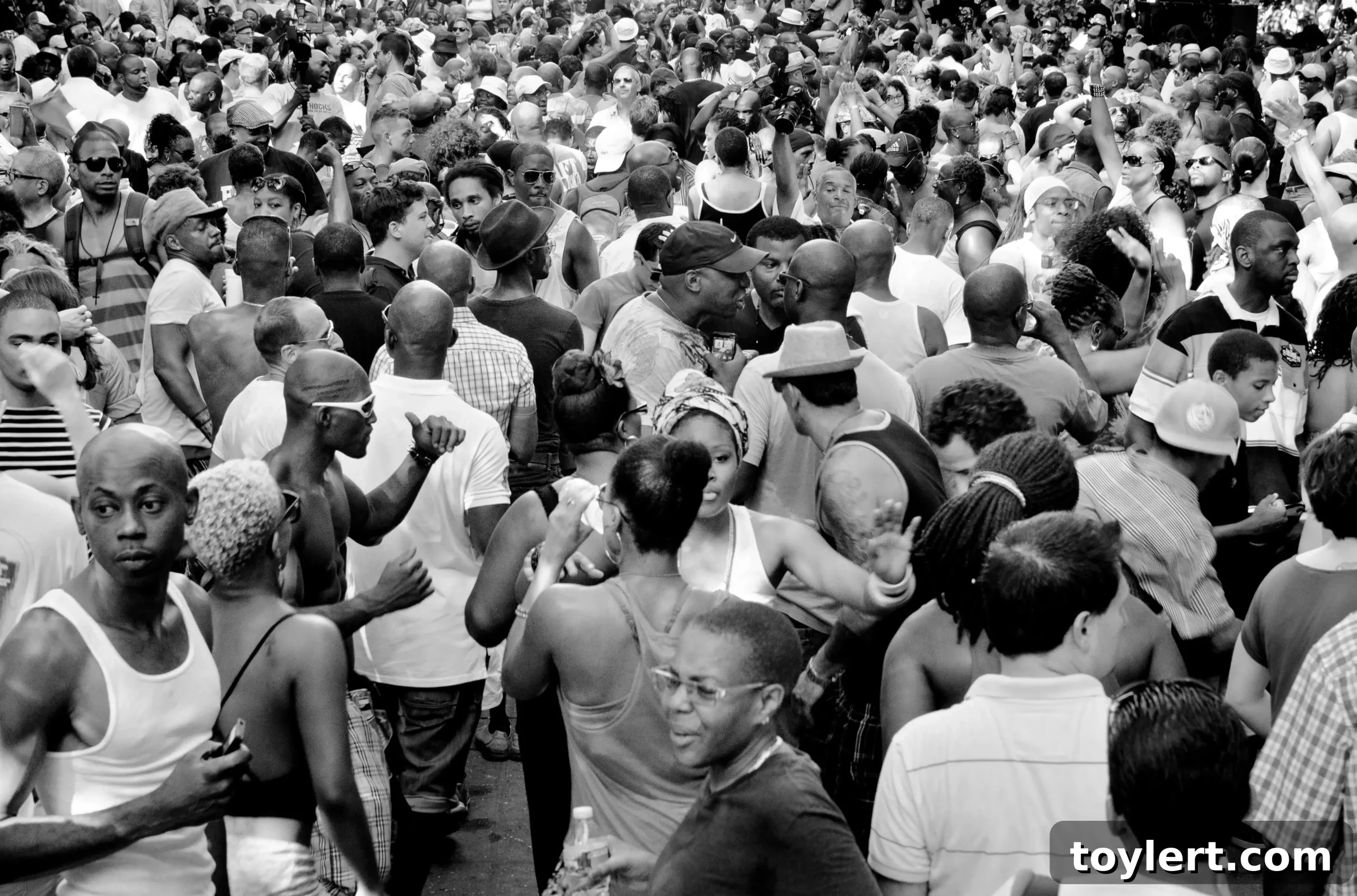
For nearly two decades, amid the vibrant and ever-evolving landscape of Fort Greene, Brooklyn, one constant beacon of joy and community spirit has been the Soul Summit dance party. This beloved free summertime event transforms Fort Greene Park into an electrifying open-air dance floor, where throngs of diverse, welcoming crowds gather to immerse themselves in the infectious rhythms of house music, dancing away the day under the Brooklyn sky. More than just a party, Soul Summit has cultivated a reputation as a vital cultural institution, a cherished gathering that celebrates music, movement, and the powerful bonds of community.
However, the summer of this particular year brought an unprecedented pause. Due to pressing global health concerns over the spread of COVID-19, the much-anticipated annual celebration was, for the first time in its long history, postponed. The usual anticipation of sun-drenched afternoons filled with bass lines and shared laughter was replaced by a quiet longing for community. Yet, even in this period of absence, the spirit of Soul Summit finds a profound and moving reminder through “Soul Summit: Doin’ It in the Park.” This compelling new short film, a heartfelt tribute to the legendary event, comes from the creative vision of Tayo Giwa and Cynthia Gordy Giwa, the dynamic husband-and-wife team behind the acclaimed digital publication Black-Owned Brooklyn. The film not only serves as a nostalgic look back but also as a vibrant promise of future gatherings, keeping the flame of Soul Summit alive in the hearts of its devotees.
The story of Tayo Giwa’s introduction to Soul Summit mirrors that of many who stumble upon its magic. About a decade ago, shortly after moving to the charming and culturally rich neighborhood of Fort Greene, Tayo first discovered the party. It was an accidental encounter that left an indelible impression. Cynthia’s introduction came a few years later, during a visit with friends in Brooklyn while she was still residing in Washington, D.C. Their individual experiences highlight the organic, word-of-mouth nature of the event’s growth and appeal.

Recalling his initial experience, Tayo shared, “I went over to the park to meet up with some friends and I was just amazed at this gathering that was occurring.” His words capture the immediate, overwhelming sense of wonder that many first-time attendees feel. He continued, “I had no understanding of the history behind it when I first went but I could tell it wasn’t just another party. There was something special about it.” This “special something” is precisely what the film endeavors to capture and convey – the unique blend of history, culture, and pure, unadulterated joy that defines Soul Summit.
The Heartbeat of Fort Greene: Soul Summit’s Enduring Legacy
Soul Summit’s origins are rooted in a simple yet profound idea: to create a space where people could connect through the power of house music, fostering an atmosphere of freedom, acceptance, and communal joy. Over the years, it has evolved into far more than just a seasonal get-together; it has become an integral part of Fort Greene’s cultural identity. The party’s longevity, nearing two decades, speaks volumes about its sustained relevance and the deep affection the community holds for it. It represents a living tradition, passed down through generations of dancers and music lovers, establishing itself as an essential pillar of Brooklyn’s vibrant summer scene.
The beauty of Soul Summit lies in its accessibility and inclusivity. As a free event held in a public park, it removes barriers, inviting everyone from long-time house heads to curious newcomers, families with strollers to seasoned dancers, to partake in its energy. This democratic approach to culture is one of its most defining and celebrated characteristics, creating a truly diverse tapestry of people united by a shared love for music. The DJs, masters of their craft, curate sets that range from classic house anthems to contemporary grooves, ensuring that the dance floor is always buzzing with rhythmic energy. The feeling is electric, a collective effervescence that spills out from the center of the park, touching everyone within earshot.
More Than Just a Party: The Soul Summit Experience
What truly sets Soul Summit apart is the immersive experience it offers. It’s an auditory feast, certainly, with top-tier house music pulsating through the trees, but it’s also a visual spectacle of self-expression. Dancers, young and old, showcase an incredible array of styles, from intricate footwork to fluid, soulful movements, each individual contributing to the collective artistry of the event. The vibrant outfits, the shared smiles, the spontaneous eruptions of applause for a particularly impressive move – these are the hallmarks of a Soul Summit afternoon.
Fort Greene Park itself plays a crucial role in shaping the Soul Summit experience. Its natural amphitheater-like setting, surrounded by lush greenery and historical landmarks, provides a picturesque backdrop for the urban celebration. The transition from a serene city park to a vibrant dance oasis is seamless and magical. Children play nearby, picnics are spread on the grass, and conversations flow freely, all set to the constant, uplifting soundtrack. It embodies the essence of a true community gathering, where the lines between performer and audience blur, and everyone is an active participant in the creation of a collective memory.
A Pause, Not an End: Navigating Challenges
The postponement of Soul Summit in the face of the global pandemic was undoubtedly a blow to many. For countless individuals, it wasn’t just another event on the summer calendar; it was a deeply ingrained ritual, a source of solace, joy, and connection. The absence of its infectious beat and warm embrace left a palpable void. However, this pause also underscored the profound significance of Soul Summit. It highlighted how much such free, inclusive community gatherings mean to the fabric of urban life, particularly in a city as dynamic and diverse as Brooklyn.
In challenging times, art and documentation often step forward to fill the gap, providing comfort, inspiration, and a sense of continuity. This is precisely the role “Soul Summit: Doin’ It in the Park” fulfills. The film became not just a record of a cherished event, but a timely and essential cultural artifact. It serves as a reminder of what was, a beacon of hope for what will be, and a testament to the enduring human need for community, rhythm, and shared celebration, even when physical proximity is not possible.
“Doin’ It in the Park”: A Cinematic Homage to Movement and Memory
The creation of “Soul Summit: Doin’ It in the Park” is a testament to the passion and vision of Tayo and Cynthia Gordy Giwa. Their decision to document this iconic event stems from a deep appreciation for its cultural importance and the powerful personal impact it has had on them. Tayo’s initial “amazement at this gathering” evolved into a profound understanding that Soul Summit was a phenomenon deserving of wider recognition and preservation.
The short film, accessible via YouTube, meticulously weaves together interviews, archival footage, and contemporary visuals to tell the story of Soul Summit. It delves into the history of house music, its roots in Black and queer communities, and how Soul Summit carries forward this legacy of liberation and self-expression. The film features the voices of the party’s founders, the DJs who spin the records, and the dancers who bring the park to life, offering multifaceted perspectives on what makes Soul Summit so special. It’s not merely a concert film; it’s a cultural study, exploring the socio-cultural dynamics that make this free dance party an invaluable part of Brooklyn’s identity.
Tayo and Cynthia Giwa: Curators of Culture Through Black-Owned Brooklyn
Tayo and Cynthia Giwa’s involvement in documenting Soul Summit aligns perfectly with their broader mission through Black-Owned Brooklyn. This platform is dedicated to celebrating and supporting Black entrepreneurship, culture, and community within the borough. Their work transcends simple directory listings; they are cultural archivists, storytellers, and advocates who amplify the narratives of Black Brooklyn. By producing a film about Soul Summit, they are not only preserving the history of a beloved Black-founded event but also highlighting its role as a vital space for Black joy, artistic expression, and communal healing.
Their publication serves as a powerful testament to the resilience and vibrancy of Black culture, often overlooked or underrepresented in mainstream media. Through their meticulous storytelling and engaging content, the Giwas connect audiences with the rich tapestry of Black-owned businesses, artists, and cultural movements that define Brooklyn. “Soul Summit: Doin’ It in the Park” is a shining example of their commitment to this mission, ensuring that significant cultural contributions like Soul Summit receive the attention and historical documentation they deserve.
The Power of Community and Cultural Preservation
The existence and celebration of Soul Summit, as depicted in the film, underscore the critical importance of free public gatherings in fostering community cohesion and preserving local culture. In an increasingly digital and often fragmented world, spaces where people can gather, interact, and share experiences without financial barriers are invaluable. They provide a vital antidote to isolation, offering opportunities for spontaneous connection, shared laughter, and collective exhilaration. Soul Summit embodies this spirit, transforming a public park into a temporary sanctuary of unity and belonging.
Furthermore, the act of documenting such an event, especially during a period of its physical absence, becomes a powerful act of cultural preservation. It ensures that the memories, the ethos, and the historical significance of Soul Summit are not lost but are instead captured and shared with a wider audience, including future generations. The film serves as an educational tool, introducing new viewers to the history of house music and its profound impact on urban culture, while also reminding seasoned attendees of the event’s enduring magic. It reinforces the idea that culture is not static; it is a living, breathing entity that adapts, perseveres, and continues to inspire.
Looking Ahead: The Future of Soul Summit
As the world gradually navigates new realities, the anticipation for Soul Summit’s return to Fort Greene Park remains strong. The film, “Doin’ It in the Park,” doesn’t just look back; it subtly points forward, fueling hope for the day when the infectious beats will once again reverberate through the trees, and the park will transform into Brooklyn’s biggest dance floor. When Soul Summit does return, it will be more than just the resumption of a party; it will be a powerful symbol of community resilience, the triumph of joy over adversity, and the enduring power of music to bring people together.
The legacy of Soul Summit, meticulously captured by Tayo and Cynthia Giwa, will continue to inspire. It stands as a vibrant reminder that even in a city of constant change, there are cultural anchors that hold strong, shaping identities and fostering profound connections. Soul Summit is not just a dance party; it is a declaration of spirit, a celebration of life, and a testament to the fact that some traditions are simply too special to ever fade away.