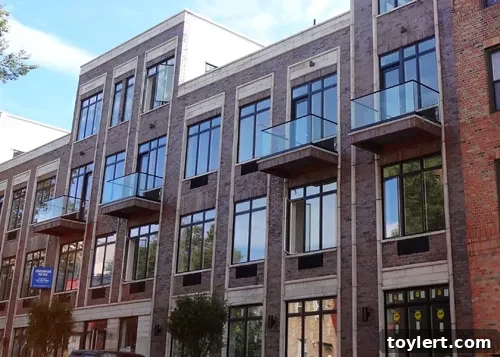
From Aspiration to Adaptation: The Tale of 182 15th Street’s Strategic Shift in South Slope Real Estate
The vibrant and ever-evolving real estate landscape of Brooklyn often presents intriguing narratives of development, market responsiveness, and community engagement. One such compelling story unfolds at 182 15th Street in the heart of South Slope, a building whose journey reflects the intricate dance between developer ambition and market realities. Initially introduced to the market in early fall of 2011 as a promising condominium development, the 31-unit building was poised to offer new ownership opportunities in a highly sought-after Brooklyn neighborhood. However, the anticipated enthusiasm from prospective buyers did not materialize with the expected vigor, leading to a pivotal and strategic re-evaluation by the developers. This significant decision saw the property transition from a sales-oriented condo venture to a dynamic rental building, a move that speaks volumes about the flexibility required in the competitive New York City housing market.
During its brief stint as a condominium offering, 182 15th Street presented a range of options to potential homeowners, reflecting various price points and spatial configurations designed to appeal to a broad demographic. Studio units, often considered entry points into city ownership, were priced attractively, starting at $365,000. For those requiring a bit more space, one-bedroom apartments were available from $430,000. Larger households or individuals seeking more generous living areas could explore two-bedroom units, which began at $630,000, while the most expansive three-bedroom residences were listed starting from $899,000. These price points were carefully set within the context of the post-recession market, where buyer confidence was steadily, but cautiously, returning, making strategic pricing critical for success in new developments across areas like South Slope, adjacent to the iconic Prospect Park.
The Strategic Pivot: From Condo Aspirations to Rental Market Success
The shift from a condo sales model to an all-rental strategy for 182 15th Street was a calculated move, indicative of a responsive approach to prevailing market conditions. When initial buyer interest for the condominiums proved to be insufficient to sustain the sales trajectory, the building’s management quickly recognized the robust and consistent demand within Brooklyn’s rental sector. This dynamic rental market, characterized by a steady influx of residents seeking high-quality housing without the long-term commitment of ownership, presented a more immediate and stable path to profitability for the development.
Soon after the decision, rental listings for the 31-unit building began to appear, showcasing a new pricing structure tailored to the rental market. Studio apartments, which had previously been offered for sale, became available for rent at a competitive rate of $2,000 per month. The more spacious three-bedroom units, initially commanding sales prices nearing $900,000, were now listed at a monthly rent of up to $3,900. This transition offered a significant number of modern, well-appointed apartments to Brooklyn’s burgeoning tenant population, who often prioritize flexibility, lower upfront costs, and the convenience of included building amenities and maintenance – all compelling advantages of renting in a fast-paced urban environment like New York City. The move underscored the resilience of the local rental market and the strategic agility of developers in adapting to economic ebbs and flows.
South Slope: A Beacon for Brooklyn Living
The choice of South Slope as the location for 182 15th Street was no accident; the neighborhood itself is a significant draw, contributing immensely to the property’s desirability. South Slope is renowned for its harmonious blend of serene residential streets and vibrant commercial avenues. Characterized by beautiful tree-lined blocks dotted with classic brownstones and charming multi-family homes, the area exudes a distinct community feel. It’s a neighborhood that balances historic charm with modern conveniences, making it exceptionally attractive to a diverse group of residents, from young professionals and artists to growing families.
Life in South Slope offers an unparalleled quality of life, largely due to its strategic location and abundant amenities. Residents enjoy immediate access to Prospect Park, a sprawling green oasis that provides endless opportunities for recreation, relaxation, and cultural events throughout the year. The neighborhood’s main thoroughfares, Fifth and Seventh Avenues, are bustling with an eclectic mix of independent boutiques, gourmet grocery stores, cozy cafes, and a wide array of restaurants offering global cuisines. Furthermore, excellent public transportation links, including several subway lines, ensure a seamless commute to Manhattan and other parts of Brooklyn, solidifying South Slope’s reputation as one of the borough’s most coveted residential enclaves. This inherent appeal provides a strong foundation for both rental and sales markets in the area.
Community Power: The Zoning Controversy That Defined 182 15th Street
Beyond the market fluctuations, the history of 182 15th Street is deeply intertwined with a notable zoning controversy that unfolded several years prior to its market debut. This episode highlights the significant influence of community activism in shaping urban development. The original plans for the site were considerably more ambitious, envisioning a 12-story building. This height, while potentially permissible under older zoning regulations that might have been in effect or interpreted during the initial planning stages, stood in stark contrast to the predominantly low-rise architectural character of the surrounding South Slope neighborhood.
The proposal for such a tall structure ignited a strong wave of opposition from local residents and community groups. Their concerns were multifaceted and deeply rooted in a desire to preserve the neighborhood’s unique charm and quality of life. Key objections included fears of the building casting extensive shadows over existing homes and public spaces, increased strain on already stretched local infrastructure such as schools, sanitation, and public transport, and the aesthetic disruption an out-of-scale development would impose on the quaint, brownstone-lined streets. This collective resistance underscored a growing trend in Brooklyn, where well-organized community voices actively push back against developments perceived as incongruent with neighborhood character.
Through persistent advocacy, numerous public meetings, and engagement with local government officials, the community successfully challenged the developer’s initial plans. This grassroots effort proved to be a pivotal moment, ultimately compelling the developer to significantly revise the project’s scale. The outcome was a building that, while modern, was more in harmony with the existing urban fabric of South Slope, both in terms of height and density. This victory for local residents not only preserved aspects of the neighborhood’s aesthetic and functional integrity but also served as a powerful reminder of the importance of civic participation in urban planning, demonstrating how collective action can directly influence the built environment of New York City’s diverse communities. The revised plan for 182 15th Street thus stands as a testament to the community’s successful defense of their neighborhood’s character.
Navigating Brooklyn’s Real Estate Currents: Broader Implications
The narrative of 182 15th Street offers more than just a localized story; it serves as an excellent case study for understanding the broader dynamics of the Brooklyn real estate market, especially in the period following the 2008 financial crisis. The early 2010s were a time of cautious recovery, where different segments of the property market exhibited varying degrees of resilience. While the demand for rental properties remained consistently strong, bolstered by a steady influx of residents and a preference for flexibility, the condo sales market often required more time to rebound, contingent on renewed buyer confidence, favorable interest rates, and robust financing options.
Developers operating in high-stakes markets like New York City must possess keen foresight and, crucially, the adaptability to pivot their strategies in response to real-time market signals. The decision to transition 182 15th Street from a condo sales project to a rental building exemplifies this strategic agility. It allowed the developers to mitigate potential risks associated with a slow sales cycle, generate immediate and stable income streams, and capitalize on the prevailing strength of the rental market. Such flexibility is not merely a desirable trait but an essential component of sustained success in urban property development.
Furthermore, the zoning controversy surrounding 182 15th Street underscores the enduring and significant role of community involvement in urban planning. It illustrates how organized local residents, through persistent advocacy and engagement, can effectively influence development outcomes, ensuring that new constructions are not only economically viable but also culturally and aesthetically integrated into their existing surroundings. This intricate interplay between developers, market forces, and community interests is a constant feature of urban growth, continually shaping the architectural and social fabric of cities one building, and one neighborhood, at a time.
Ultimately, 182 15th Street stands today not merely as a residential address but as a compelling historical marker in South Slope, Brooklyn’s development story. It encapsulates the resilience of the local housing market, the strategic acumen demanded of modern developers, and the powerful, unwavering voice of a community dedicated to preserving its unique identity. Its transformation from an envisioned condo complex to a successful, sought-after rental property continues to highlight the fluid nature of real estate and the continuous, dynamic evolution of Brooklyn’s cherished neighborhoods.