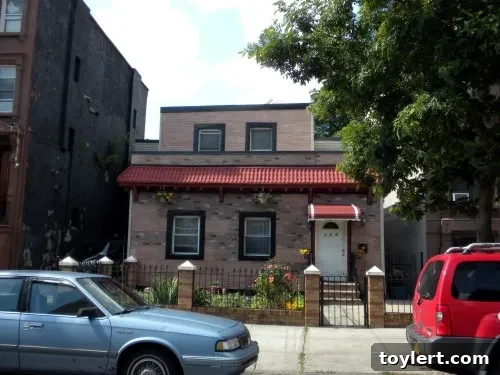
179 Quincy Street: Unveiling a Brooklyn Brownstone’s Enduring Charm
Brooklyn, one building at a time – each facade telling a unique story, each stately stoop a silent witness to generations of urban life. Today, we turn our gaze to 179 Quincy Street, a captivating private house that embodies the timeless architectural legacy of one of New York City’s most beloved boroughs. This exploration delves into the history, design, and enduring appeal of such an iconic Brooklyn dwelling.
A Classic Designation: Private House
At its core, 179 Quincy Street stands as a proud example of a private house, a residential dwelling typical of Brooklyn’s historic neighborhoods. This designation signifies more than just a place of residence; it represents a commitment to personal space, architectural individuality, and a rooted connection to a vibrant community. Unlike sprawling suburban homes or towering apartment complexes, private houses like this one on Quincy Street offer a unique blend of historical grandeur and contemporary comfort, meticulously crafted for individual ownership and family life. The specific address, 179 Quincy Street, places it firmly within a lineage of storied residences that define Brooklyn’s rich and diverse urban tapestry, making it a focal point for architectural appreciation.
The Allure of Quincy Street: A Glimpse into Brooklyn’s Architectural Heart
Quincy Street, nestled in the vibrant heart of Brooklyn, is far more than just an address; it’s an experience. Lined with majestic trees that offer a verdant canopy in warmer months and punctuated by rows of exquisitely preserved brownstones, the street itself is a living testament to Brooklyn’s rich architectural heritage. Properties like 179 Quincy Street contribute significantly to the street’s overall aesthetic, showcasing the intricate details and robust construction methods prevalent in the late 19th and early 20th centuries. These blocks often fall within or near the designated historic districts of Bedford-Stuyvesant or Stuyvesant Heights, areas renowned not only for their architectural uniformity but also for their strong community spirit and cultural vibrancy.
Living on Quincy Street means being part of a dynamic, living museum, where every stroll is a journey through history. Residents and visitors alike can admire the varied expressions of Romanesque Revival, Neo-Grec, Italianate, and Queen Anne styles that characterize these unique homes. Each facade, including that of 179 Quincy Street, tells a story of a bygone era, reflecting the prevailing tastes and craftsmanship of the period, while simultaneously adapting to the needs and aspirations of successive generations. The collective beauty of these structures fosters a distinctive neighborhood charm, making Quincy Street a highly sought-after location for those who appreciate history, architecture, and a strong sense of community.
Unearthing the Brownstone Legacy: Architectural Splendor
The term “brownstone” immediately conjures images of stately urban homes characterized by their distinctive reddish-brown sandstone facades, grand stoops, and often intricate detailing. 179 Quincy Street, as a prime example of a Brooklyn brownstone, embodies many of these quintessential features that have made these homes iconic. The enduring appeal of brownstones lies in their unique blend of robust construction, elegant design, and timeless aesthetic, which continues to captivate homeowners and architecture enthusiasts alike.
Key architectural elements commonly found in brownstones, and likely present in a property like 179 Quincy Street, include:
- The Iconic Stoop: A signature element, the high stoop typically leads to the parlor floor, offering both a sense of grandeur and a practical elevation from street level. This architectural feature also served as a social hub, a place for neighbors to gather, chat, and observe the bustling street life, fostering a strong sense of community.
- Rich Facade Material: While the primary material is typically brownstone—a type of sandstone known for its distinctive color—these facades often feature contrasting details in materials like limestone, terra cotta, or brick. These accents add visual interest, highlight architectural elements such as window surrounds, lintels, and cornices, and speak to the craftsmanship of the era.
- Elaborate Entryways: The front door itself is often a work of art, frequently flanked by pilasters or columns, topped with a decorative transom window, and sometimes protected by an ornate wrought-iron gate. These details not only enhance curb appeal but also reflect the home’s original status and the owner’s taste.
- Period Windows: Large, often floor-to-ceiling, and sometimes bay windows on the parlor floor maximize natural light, offering expansive views of the tree-lined street. Upper-story windows are typically scaled harmoniously, often featuring decorative sills and lintels, contributing to the overall architectural integrity.
- Decorative Cornices: Ornate cornices crown many brownstones, serving as decorative finishes that reflect the era’s meticulous craftsmanship and attention to detail. These can vary from simple moldings to elaborate, projecting structures, adding a distinguished cap to the building’s facade.
Each brownstone, including the one at 179 Quincy Street, tells a story of skilled craftsmanship and a bygone era when artisans meticulously carved, shaped, and assembled these urban masterpieces. They represent an enduring standard of quality, design, and residential comfort that continues to define Brooklyn’s most cherished neighborhoods.
A Slice of History: Brooklyn’s Residential Development Boom
The late 19th and early 20th centuries marked an unprecedented boom in Brooklyn’s residential development, transforming it from a collection of quaint villages and independent towns into a bustling, integrated urban center. Private houses like 179 Quincy Street were primarily built during this period to accommodate the burgeoning middle and upper classes, who sought spacious, elegant, and comfortable homes outside the increasingly crowded and industrializing Manhattan. This era witnessed a significant migration across the East River, driven by improved transportation links, such as bridges and ferries, and the promise of a better quality of life.
The construction boom saw the rise of numerous speculative builders who, often collaborating with renowned architects, shaped the distinctive streetscapes we admire today. These developers meticulously planned entire blocks, creating a harmonious blend of uniform scale and individual decorative elements. The result is an architectural landscape that is both cohesive and diverse, offering endless visual interest. Understanding this historical context enriches our appreciation for each building, allowing us to recognize its crucial place within Brooklyn’s broader narrative of rapid growth, societal evolution, and architectural innovation. These homes are not merely structures; they are relics of a prosperous era, embodying the aspirations and lifestyles of their original inhabitants and continuing to serve as vital components of Brooklyn’s identity.
Preserving the Past for the Future: Stewardship of Historic Homes
Owning a private house like 179 Quincy Street comes with a unique and profound responsibility: the stewardship of a tangible piece of history. Preservation efforts are absolutely crucial in Brooklyn, where many neighborhoods, including significant portions of Bedford-Stuyvesant and Stuyvesant Heights, are designated historic districts. These designations ensure that the architectural integrity and historic character of these irreplaceable buildings are maintained for future generations. Homeowners often undertake meticulous and often extensive restorations, balancing the desire for modern comforts and efficiencies with a steadfast commitment to historical accuracy and authenticity.
This dedication ensures that the original charm—from intricate plaster moldings and majestic fireplace mantels to polished hardwood floors and functional pocket doors—is not lost to time but rather celebrated and meticulously preserved. Local preservation organizations, community groups, and specific regulatory bodies play a vital role in guiding these efforts. They provide resources, expertise, and guidelines that help homeowners navigate the complexities of historic renovation. By fostering a community that values its architectural heritage and works collectively to safeguard it, Brooklyn ensures that its iconic brownstones, including 179 Quincy Street, remain vibrant links to its illustrious past, contributing significantly to its ongoing appeal and cultural richness.
Modern Living in a Historic Setting: The Enduring Appeal of a Brooklyn Brownstone
Despite their deep historical roots, private homes like 179 Quincy Street are highly sought after for modern living, offering an unparalleled blend of timeless elegance and contemporary functionality. These brownstones provide generously proportioned living spaces, often spanning multiple floors, which afford ample room for growing families, dedicated home offices, and sophisticated entertaining. The distinctive architectural character creates an unparalleled ambiance that modern, newly constructed buildings often struggle to replicate, making them truly unique and desirable residences.
The key appeals of investing in and living within a Brooklyn brownstone include:
- Spacious Interiors: Characterized by high ceilings, large rooms, and often deep footprints, brownstones typically offer considerable square footage, providing a sense of grandeur and openness rarely found in other urban dwellings.
- Original Details: Many brownstones have remarkably retained their original features, such as ornate woodwork, intricate tile work, decorative fireplaces, and grand staircases, adding unparalleled character and charm that tell a story of craftsmanship.
- Private Garden Access: A significant number of Brooklyn brownstones boast private backyard gardens, offering a prized urban oasis for relaxation, recreation, and outdoor entertaining, a true luxury in New York City.
- Community Connection: Living in a historic brownstone neighborhood fosters a strong sense of community, connecting residents to Brooklyn’s vibrant culture, local businesses, and a rich social fabric.
- Exceptional Investment Value: These properties tend to not only hold but significantly appreciate their value over time, making them sound and desirable long-term investments in a highly competitive real estate market.
The thoughtful blend of historic charm with modern functionality, often achieved through sensitive and high-quality renovations, makes 179 Quincy Street and its counterparts truly exceptional places to call home. It represents more than just a house; it’s a lifestyle choice, a profound connection to a rich past, and a secure investment in a thriving, dynamic future within one of the world’s most exciting cities.
Brooklyn’s Architectural Tapestry: Beyond 179 Quincy Street
While 179 Quincy Street provides an excellent focal point for our discussion, it also serves as a superb representative of the broader architectural tapestry that makes Brooklyn so unique and endlessly fascinating. From the grand, expansive mansions of Prospect Park South to the quaint, intimate charm of Cobble Hill townhouses and the industrial-chic conversions of DUMBO, Brooklyn’s built environment is an incredibly diverse and captivating landscape. Each block, each street, and indeed, each individual building contributes significantly to this collective identity, painting a rich picture of the borough’s evolution.
Exploring Brooklyn “one building at a time” allows us to appreciate the intricate layers of history, innovative design, and robust community development that have profoundly shaped this iconic borough. Whether it’s the imposing presence of a Romanesque Revival apartment building, the serene elegance of a Federal-style townhouse, or the vibrant art deco flourishes on a commercial facade, Brooklyn’s architecture continues to inspire, enchant, and tell the ongoing story of a city constantly reinventing itself while honoring its past.
Conclusion: A Legacy Embodied in Stone
179 Quincy Street stands as more than just a Brooklyn address; it is a vital and beautiful thread in the intricate fabric of Brooklyn’s architectural narrative. It represents the enduring appeal and timeless elegance of the brownstone, serving as a powerful testament to the borough’s rich history, its unwavering commitment to preservation, and its incredibly vibrant future. As we continue to explore the unique character and individual stories embedded within Brooklyn’s diverse buildings, we gain a deeper appreciation for the unparalleled beauty, remarkable resilience, and the countless narratives held within their venerable walls.
This private house on Quincy Street is not merely a dwelling; it is a living piece of history, constantly evolving yet firmly rooted in the cherished traditions and architectural excellence that collectively make Brooklyn an unparalleled place to live, visit, and endlessly discover. Its presence reinforces the idea that true urban charm lies in the respect for the past while embracing the possibilities of the future.