The Enduring Legacy of the First Presbyterian Church of Brooklyn: A Beacon on Henry Street
Nestled within the picturesque and historic streetscape of Brooklyn Heights, the First Presbyterian Church of Brooklyn stands as a magnificent testament to enduring faith, architectural grandeur, and community spirit. Located at 118 Henry Street, this iconic edifice is more than just a place of worship; it is a vital piece of Brooklyn’s rich history and an active hub for contemporary life in one of New York City’s most cherished neighborhoods. Its distinctive presence contributes significantly to the charming character of Brooklyn, one building at a time.
A Glimpse into History: The Genesis of a Brooklyn Landmark
The story of the First Presbyterian Church of Brooklyn begins in the early to mid-19th century, a transformative period for Brooklyn. As Brooklyn grew from a bustling town into a thriving city, the need for spiritual and community institutions became paramount. The congregation itself was established in 1822, making it one of the oldest Presbyterian congregations in Brooklyn. The current church building, an architectural marvel, was completed in 1846. Its design is attributed to the renowned architect Richard Upjohn, a master of the Gothic Revival style and celebrated for his profound influence on American ecclesiastical architecture, perhaps most famously known for Trinity Church in Manhattan.
Upjohn’s vision for 118 Henry Street was clear: to create a structure that embodied spiritual aspirations while harmonizing with the burgeoning urban environment of Brooklyn Heights. At the time of its construction, the neighborhood was rapidly developing into a desirable residential area, attracting prominent families and professionals. The church quickly became a cornerstone of this affluent and influential community, offering not only religious services but also a center for social gatherings, educational initiatives, and civic engagement. The choice of the Gothic Revival style for the First Presbyterian Church was deliberate, reflecting a broader trend in 19th-century American architecture to draw inspiration from medieval European cathedrals, symbolizing timelessness, grandeur, and devotion.
Architectural Splendor: A Masterpiece in Gothic Revival
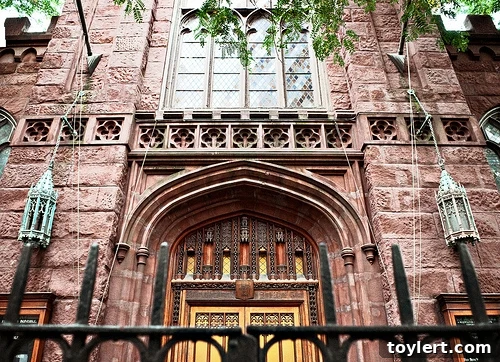
The First Presbyterian Church of Brooklyn is a prime example of mature Gothic Revival architecture in the United States. Its exterior is characterized by robust masonry, intricate detailing, and a commanding presence that captures the eye. The building features classic elements of the style, including pointed-arch windows, often adorned with delicate tracery that allows natural light to filter into the sanctuary, creating a serene and ethereal atmosphere. The imposing tower and spire are particularly striking, serving as a vertical anchor that draws the gaze upward and provides a distinct landmark against the Brooklyn skyline.
Materials used in its construction speak to the quality and craftsmanship of the era. Stone, likely brownstone or a similar durable material popular in Brooklyn at the time, forms the primary facade, giving it a dignified and enduring quality. The interior of the church is equally impressive, reflecting Upjohn’s meticulous attention to detail. Soaring ceilings, often supported by graceful arches, create a sense of vastness and reverence. The sanctuary is typically arranged to foster a communal worship experience, with pews facing a central pulpit. Stained glass windows, many of which are original or historically significant additions, depict biblical scenes and symbols, casting colorful patterns across the aisles and enhancing the spiritual ambiance. These architectural features not only serve an aesthetic purpose but also contribute to the contemplative and uplifting experience of congregants and visitors alike.
A Pillar of the Community: More Than Just a Church
For nearly two centuries, the First Presbyterian Church of Brooklyn has played a multifaceted role in the life of Brooklyn Heights and the wider borough. Beyond its primary function as a place of worship, it has historically served as a vital community hub. In its early days, the church was instrumental in establishing schools and charitable organizations, addressing the social needs of a growing urban population. Its members were often leaders in local government, business, and philanthropy, ensuring the church’s influence extended far beyond its walls.
In the modern era, the First Presbyterian Church continues to uphold this legacy of community engagement and outreach. It hosts a diverse array of programs and activities that cater to all ages and backgrounds. These include educational initiatives, musical performances (often leveraging the church’s excellent acoustics and historic organ), art exhibitions, and spaces for various community groups to meet. The church has consistently been a vocal advocate for social justice, actively participating in initiatives that address issues such as poverty, homelessness, and inequality. Its commitment to welcoming all people, regardless of their background or beliefs, reinforces its role as an inclusive and progressive institution within Brooklyn Heights.
Furthermore, the church building itself is a cultural asset. Its unique architecture makes it a popular venue for concerts, lectures, and other public events, drawing audiences from across New York City. The beautiful gardens and grounds surrounding the church also offer a tranquil respite from urban bustle, providing green space that is valued by local residents. Through these diverse offerings, the First Presbyterian Church of Brooklyn demonstrates its ongoing relevance and adaptability, proving that historic institutions can remain vibrant and integral to contemporary community life.
Preserving History, Embracing the Future: Challenges and Triumphs
Maintaining a 19th-century structure in an urban environment like Brooklyn presents unique challenges. Historic preservation is a continuous endeavor, requiring significant resources and expertise. The First Presbyterian Church has undertaken numerous restoration and maintenance projects over the years to ensure its structural integrity and historical authenticity are preserved for future generations. These efforts often involve painstaking work on the masonry, roof, and intricate interior details, including the delicate stained glass and historic woodworking.
Despite these challenges, the church has successfully adapted to changing times. It has embraced modern technology while respecting its historical roots, finding innovative ways to connect with its congregation and the wider community. Its commitment to environmental stewardship is also evident, with efforts often made to implement sustainable practices within the historic building. The First Presbyterian Church of Brooklyn stands as a powerful example of how a landmark institution can honor its past while actively engaging with the present and planning for the future.
Its designation as a historically significant site underscores its importance not just to the local community but to the broader architectural and cultural heritage of New York City. Visitors interested in Brooklyn’s history, architecture, or religious life will find much to admire and learn at 118 Henry Street. Whether attending a service, a concert, or simply admiring its grand exterior, the First Presbyterian Church offers a profound connection to Brooklyn’s enduring spirit and timeless beauty.
Visiting First Presbyterian Church of Brooklyn: An Experience Not to Be Missed
For anyone exploring the charming streets of Brooklyn Heights, a visit to the First Presbyterian Church at 118 Henry Street is highly recommended. Its commanding presence along Henry Street makes it easily identifiable, and its proximity to other Brooklyn Heights attractions, such as the Promenade and historic brownstone blocks, makes it a convenient stop on any walking tour. The church often opens its doors for public events, allowing visitors to experience its stunning interior firsthand and appreciate the craftsmanship that defines its character.
Engaging with this architectural gem provides a tangible link to Brooklyn’s past, offering insights into the lives and aspirations of those who built and sustained this vibrant community. It serves as a reminder of the foundational role that religious institutions played in shaping American urban landscapes and continue to play in fostering community spirit and cultural enrichment. The First Presbyterian Church of Brooklyn is not merely a building; it is a living monument to heritage, faith, and the enduring strength of the Brooklyn community.