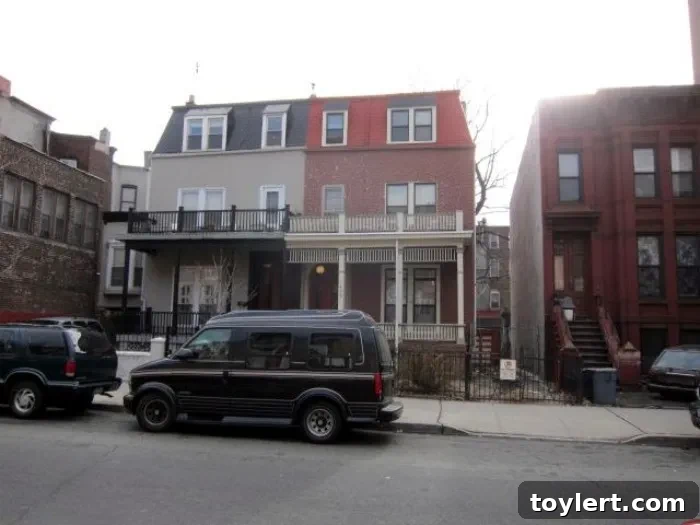
Brooklyn’s Architectural Treasures: Unveiling 1406-1408 Dean Street’s Semi-Detached Charm
Brooklyn, a borough renowned for its captivating history and diverse architectural tapestry, continues to enchant residents and visitors alike. Each street, each block, and indeed, each individual building contributes to a narrative rich with character and heritage. In our ongoing series dedicated to exploring Brooklyn, one building at a time, we turn our attention to the distinctive semi-detached row houses situated at 1406-1408 Dean Street. These structures are not merely dwellings; they are eloquent expressions of a bygone era, seamlessly woven into the vibrant fabric of Brooklyn’s urban landscape, offering a compelling blend of city living with a touch of suburban spaciousness.
The architectural grandeur of Brooklyn is an inexhaustible source of inspiration, with every edifice telling its own unique story. Today’s feature highlights a pair of semi-detached row houses on Dean Street, embodying the thoughtful urban planning and design principles that shaped many of Brooklyn’s most cherished neighborhoods. These homes represent a specific architectural typology that skillfully merges the communal spirit often associated with traditional row houses with the added benefits of abundant natural light and private outdoor areas, features more commonly found in fully detached properties. They stand as enduring symbols of a period marked by significant growth and aesthetic evolution within the borough, reflecting the aspirations, craftsmanship, and stylistic preferences of their original builders and occupants.
The Enduring Allure of Semi-Detached Row Houses in Brooklyn
Semi-detached row houses, exemplified by the elegant structures on Dean Street, occupy a unique and significant position within urban residential architecture. Unlike their fully attached counterparts, which share party walls on both sides, these homes are connected only on one side, typically through a central dividing wall with an identical twin. This ingenious design choice gained considerable popularity throughout the late 19th and early 20th centuries as Brooklyn’s urban footprint rapidly expanded. It presented an attractive compromise for both developers and homeowners, providing a welcome sense of individuality and enhanced access to natural light and fresh air – highly sought-after attributes in burgeoning urban environments.
The appeal of semi-detached homes extends far beyond their functional advantages. From an architectural perspective, they frequently contribute to a more varied and visually dynamic streetscape. While traditional row houses create a continuous, unbroken facade, semi-detached pairs introduce a pleasing rhythm of breaks, often incorporating side yards or discrete passages that boost privacy and integrate welcome pockets of greenery. This configuration strategically allows for larger windows on three sides of the building, ensuring interiors are bathed in light and improving ventilation – a crucial comfort before the widespread adoption of modern air conditioning systems. Moreover, the typical layout frequently includes modest front gardens and often small side or rear yards, providing precious private outdoor spaces for residents – a true luxury in the dense metropolitan setting.
Within Brooklyn, neighborhoods such as Crown Heights, Prospect Heights, and Stuyvesant Heights are particularly rich with exemplary specimens of semi-detached row houses. These areas experienced rapid development as the borough expanded, with builders expertly adapting popular architectural styles to this practical and aesthetically pleasing format. The outcome is a diverse collection of homes that, despite sharing a common structural type, showcase a wide array of stylistic details. These range from the robust and earth-toned Romanesque Revival to the refined and classical Renaissance Revival, and the ornate, picturesque Queen Anne style. These homes were primarily designed to cater to a burgeoning middle class, individuals seeking both comfort and a touch of architectural distinction without incurring the substantial expense of a sprawling, fully detached mansion.
Dean Street’s Historical Tapestry and Architectural Heritage
Dean Street, like many of central Brooklyn’s historic arteries, has been a silent witness to profound transformations over the centuries. Its development trajectory closely mirrors Brooklyn’s dramatic evolution from a collection of independent towns into the vibrant, interconnected urban center it is today. The late 19th and early 20th centuries marked a significant boom period, fueled by critical improvements in transportation infrastructure, including the advent of elevated trains and efficient trolley systems, which dramatically increased the feasibility of commuting to Manhattan. This catalytic shift spurred an unprecedented wave of residential construction, particularly in desirable areas like Crown Heights, where 1406-1408 Dean Street proudly stands.
During this transformative era, Brooklyn emerged as a veritable laboratory for residential architecture. Developers and visionary architects alike experimented with a plethora of housing types, each designed to accommodate the ever-increasing influx of new residents. The semi-detached row house quickly established itself as a favored and effective solution, striking an optimal balance between urban density and comfortable livability. The specific architectural style of 1406-1408 Dean Street would invariably reflect the dominant aesthetic trends of its construction period. Given its distinguished location and the prevalent styles of the time, one might anticipate observing elements of the Romanesque Revival, characterized by its sturdy masonry, robust forms, and distinctive arched openings. Alternatively, the more elaborate flourishes of the Queen Anne style, known for its varied textures, picturesque turrets, and intricate detailing, could also be present. Or, perhaps the cleaner lines and classical inspirations of the Renaissance Revival, often featuring elegant cornices, dignified brick facades, and thoughtfully executed stone trim, might define its aesthetic.
The visionary architects and skilled builders responsible for these magnificent homes often paid meticulous attention to every minute detail. Exterior materials typically comprised high-quality, durable brick, frequently enhanced with contrasting brownstone or limestone accents strategically placed around window frames, doorways, and cornices. Grand, inviting stoops, a quintessential hallmark of Brooklyn row houses, would lead gracefully to an elevated parlor floor, traditionally designed as the primary space for entertaining and formal living. Inside, these homes characteristically boasted generous ceiling heights, original hardwood floors that whispered tales of generations past, intricate plasterwork, and finely carved wood detailing – all elements that continue to captivate and charm residents and admirers today. The interior layout would generally encompass a parlor floor dedicated to living and dining rooms, followed by functional kitchen and utility spaces, with bedrooms thoughtfully arranged on the upper levels, thereby making efficient and elegant use of the vertical space.
Architectural Splendor and the Enduring Appeal of 1406-1408 Dean Street
While precise blueprints for 1406-1408 Dean Street may not be readily available, we can confidently infer a great deal about their design based on the common characteristics of Brooklyn’s semi-detached homes from that rich architectural period. These distinguished buildings typically showcase a robust and aesthetically pleasing brick facade, a material chosen for its exceptional longevity, durability, and timeless visual appeal. The brickwork itself might be arranged in a variety of intricate patterns, adding subtle textural depth and visual interest to the exterior. Often, a contrasting material such as brownstone or limestone would be employed for decorative accents, precisely framing window sills, lintels, cornices, and adorning the impressive stoop that leads to the main entrance. The stoop, in particular, is a defining architectural feature, offering a grand, ceremonial approach and skillfully elevating the principal living spaces above street level, thereby providing both enhanced privacy and a distinct sense of architectural grandeur.
Bay windows represent another quintessential element frequently incorporated into semi-detached homes, especially on the side that does not share a wall. These elegant projections not only expand the interior space, creating sun-drenched nooks perfect for reading or contemplation, but also contribute significant architectural depth and visual interest to the exterior. The roofs are typically designed as flat or gently sloped structures, often skillfully concealed behind a decorative parapet or an ornate cornice that majestically crowns the building, enhancing its overall stately and dignified appearance. Decorative cornices, frequently crafted from intricately pressed metal or artistic terra cotta, might feature elaborate patterns, adding a touch of Victorian opulence or Beaux-Arts elegance, depending on the specific stylistic influences of the construction period.
Internally, these homes were meticulously designed to facilitate comfortable, elegant, and sophisticated living. The generously proportioned parlor floor, graciously accessible via the main stoop, traditionally housed formal living and dining areas. These spaces are characteristically defined by their soaring high ceilings, ornate fireplaces that serve as focal points, and often, beautifully crafted pocket doors that allowed for flexible open-plan arrangements or compartmentalized, intimate spaces. The expansive windows, especially those positioned on the unattached side of the house, ensure an abundance of natural light throughout the day – a truly precious commodity in dense urban environments. The upper floors would typically accommodate multiple spacious bedrooms and well-appointed bathrooms, often retaining original built-ins and period details that eloquently speak to the unparalleled craftsmanship and refined aesthetics of the past.
The side yard, though often modest in scale, represents a significant and highly valued advantage unique to semi-detached houses. It frequently allows for a separate, convenient entrance to the basement or the rear yard, thereby enhancing the home’s overall functionality and often providing discreet service access. More importantly, it creates a crucial visual and physical buffer from the adjacent property, fostering a greater sense of privacy and contributing significantly to the overall greening and aesthetic appeal of the urban environment. This thoughtful and well-executed design continues to render these homes exceptionally desirable in today’s highly competitive Brooklyn real estate market, appealing strongly to discerning individuals who deeply appreciate historical charm harmoniously blended with modern amenities, all while enjoying the coveted benefits of additional space and light compared to a traditional attached row house.
Enriching Brooklyn’s Dynamic Streetscape and Community Fabric
The semi-detached row houses at 1406-1408 Dean Street transcend their roles as individual structures; they are indispensable components of a grander, unfolding urban narrative. They contribute immensely to the aesthetic coherence, historical richness, and architectural integrity of their surrounding neighborhood. As one strolls along Dean Street, a captivating rhythmic repetition of these elegant facades unfolds, subtly punctuated by variations in decorative detail and material composition that imbue each pair with its own distinct personality. This delicate balance of architectural consistency interwoven with individual flair creates a truly captivating and quintessentially Brooklyn streetscape.
Beyond their visual impact, these homes foster a unique and palpable sense of community. The ingenious design of a shared wall, yet distinct private entrances and side yards, delicately promotes neighborly interaction while steadfastly respecting individual personal space. They serve as foundational anchors within a vibrant residential area, thoughtfully integrated amidst local businesses, verdant parks, and enriching cultural institutions that collectively contribute to the exceptionally high quality of life enjoyed in this particular part of Brooklyn. The enduring and stately presence of these historic buildings stands as a constant, tangible reminder of the borough’s remarkable evolution and its unwavering commitment to diligently preserving its invaluable architectural heritage for future generations.
Preservation Efforts and an Enduring Legacy
In the face of an incessantly changing and rapidly developing urban landscape, the conscientious preservation of historic homes, such as those gracing 1406-1408 Dean Street, is of paramount importance. These venerable buildings offer invaluable insights into Brooklyn’s illustrious past, serving as tangible showcases of the exceptional craftsmanship, innovative design philosophies, and intricate social history of bygone eras. Through the dedicated efforts of passionate homeowners and tireless preservationists, these structures are able to retain their original charm, architectural integrity, and historical authenticity, even as they are thoughtfully adapted to accommodate the demands and comforts of contemporary living.
Today, these semi-detached row houses are among the most highly sought-after properties in Brooklyn’s dynamic real estate market. Their generous proportions, an abundance of natural light that brightens every corner, and their often-charming original details make them ideal and desirable homes for modern families seeking a blend of history and comfort. They integrate seamlessly and gracefully into the established fabric of their respective neighborhoods, continuing to define and enrich Brooklyn’s distinctive architectural character. As we admire and appreciate remarkable buildings like 1406-1408 Dean Street, we celebrate not only their inherent individual beauty but also their collective, indelible contribution to the enduring allure and timeless appeal of Brooklyn, truly one magnificent building at a time.