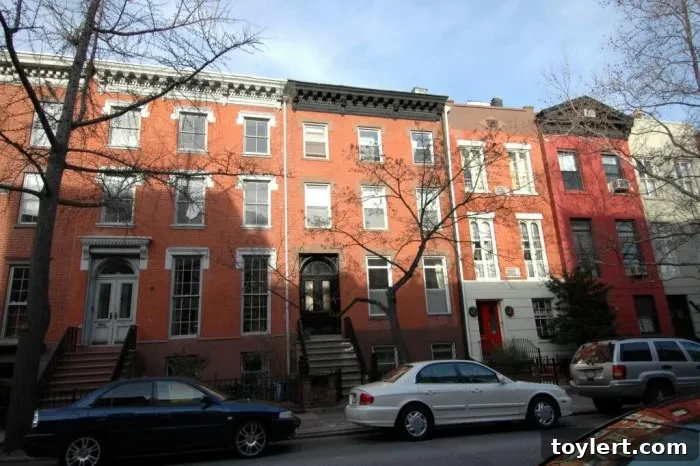
Discovering Brooklyn’s Enduring Charm: The Story of Its Iconic Row Houses
Brooklyn, one building at a time. This vibrant borough, rich in history and architectural splendor, continually captivates residents and visitors alike. From its tree-lined streets to its bustling waterfronts, Brooklyn is a tapestry of diverse communities, each woven with distinct character. At the heart of its unique identity lies the enduring appeal of its row houses—magnificent structures that stand as testaments to centuries of craftsmanship and community spirit. This article delves into the captivating world of Brooklyn’s row houses, focusing on the historical significance and architectural beauty exemplified by properties like those found on Amity Street in the charming neighborhood of Cobble Hill.
The Timeless Allure of Brooklyn Row Houses
Brooklyn’s row houses are more than just homes; they are historical artifacts, each telling a story of the city’s past. Dating back to the 19th century, these elegant residences were designed to house the burgeoning middle and upper classes as Brooklyn transformed from a rural landscape into a bustling urban center. Their characteristic uniform facades, often built with rich brownstone, brick, or stucco, create a harmonious streetscape that is instantly recognizable and deeply cherished. These aren’t merely houses joined at the wall; they represent a distinct urban planning philosophy, fostering a sense of community and shared aesthetic that defines many of Brooklyn’s most sought-after neighborhoods.
What makes these structures so appealing today is their remarkable blend of historical integrity and modern adaptability. While their exteriors largely retain their original grandeur, the interiors have often been thoughtfully updated to suit contemporary lifestyles, offering spacious layouts, high ceilings, and unique architectural details that are difficult to replicate in modern constructions. This fusion of old and new creates living spaces that are both comfortable and imbued with a profound sense of place and history, making Brooklyn row houses highly desirable.
Amity Street, Cobble Hill: A Glimpse into Brooklyn’s Architectural Heritage
Nestled within the picturesque Cobble Hill neighborhood, Amity Street stands as a prime example of Brooklyn’s rich architectural legacy. Cobble Hill itself is a designated historic district, renowned for its quaint charm, historic cobblestone streets, and impeccably preserved 19th-century row houses. Walking down Amity Street is like stepping back in time, where each building contributes to a collective narrative of urban development and residential elegance. The area’s commitment to preservation ensures that its unique character remains intact, offering a living museum of architectural styles.
Historical Context: Building Brooklyn’s Future
The development of areas like Amity Street began in earnest in the mid-19th century. Following the completion of the Erie Canal in 1825, Brooklyn experienced rapid growth, becoming a crucial port and industrial hub. Affluent merchants, professionals, and industrialists sought stately homes away from the crowded Manhattan, leading to the construction of grand residential blocks. Builders and developers, often responding to prevailing architectural trends, erected long rows of houses that offered both spacious living and a sense of sophisticated urbanity. The homes at 187-189 Amity Street, for instance, would have been part of this wave of development, likely constructed between the 1840s and 1880s, reflecting the popular styles of their era and contributing to Brooklyn’s burgeoning status as a city in its own right.
Architectural Splendor: Details That Endure
The row houses along Amity Street showcase a variety of architectural styles, though Italianate and Neo-Grec are particularly prevalent in Cobble Hill. Italianate houses, popular from the 1840s to the 1870s, are characterized by their low-pitched roofs, wide overhanging eaves with decorative brackets, tall narrow windows, and often a prominent stoop leading to the main entrance. Neo-Grec architecture, which gained popularity later in the century, exhibits a more angular and linear aesthetic, often featuring incised ornamentation, flat window lintels, and simplified classical motifs. These styles often blended, resulting in unique and charming facades.
Key features that define these Brooklyn row houses, and specifically those found on Amity Street, include:
- Brownstone Facades: While brick is common, the iconic “brownstone” refers to the reddish-brown sandstone used extensively for facades, giving many parts of Brooklyn their distinctive character and warm, inviting appearance.
- Grand Stoops: The imposing front stoops, often made of stone, serve not only as an elegant entrance but also elevate the main living floor, providing privacy from the street and facilitating natural light into the parlor levels. They also act as social gathering points.
- Ornate Cornices: Decorative elements crowning the top of the buildings, often intricately carved or cast, adding a touch of grandeur and architectural finesse to the skyline.
- Detailed Window Treatments: Elaborate lintels, sills, and sometimes iron grilles or shutters enhance the windows’ appearance, reflecting the period’s craftsmanship.
- Original Interior Features: Many homes still boast original plasterwork, ceiling medallions, fireplaces with marble mantels, intricate woodwork, and wide-plank flooring, offering a glimpse into their opulent past and serving as focal points for modern design.
Properties like 187-189 Amity Street would undoubtedly feature many of these elements, each contributing to the street’s overall architectural integrity and historical charm, making them sought-after examples of Brooklyn’s heritage.
Preservation and Modern Adaptations: A Delicate Balance
Owning a historic Brooklyn row house is often seen as a custodianship of history. Residents and preservation societies work tirelessly to maintain the architectural integrity of these buildings, adhering to strict guidelines set by the Landmarks Preservation Commission in historic districts like Cobble Hill. This commitment ensures that the unique character of these neighborhoods is protected for future generations, preventing inappropriate alterations and preserving the streetscape.
However, preservation doesn’t mean stagnation. Many owners undertake extensive renovations, skillfully blending historical features with modern amenities. This often involves updating kitchens and bathrooms with state-of-the-art fixtures, improving energy efficiency through modern insulation and windows (often hidden from view), and reconfiguring interior layouts to better suit contemporary family living, all while respecting the original footprint and design elements. The result is a home that offers both the charm of the past and the comforts of the present—a truly unique living experience that balances historical respect with modern functionality.
Beyond the Bricks: Community and Lifestyle in Cobble Hill
Life in a Brooklyn row house, particularly in a neighborhood like Cobble Hill, extends beyond the walls of the home. The close-knit community feel is palpable, fostered by tree-lined sidewalks, local shops, independent boutiques, and charming cafes that encourage pedestrian activity and local engagement. Residents enjoy strolls through nearby Brooklyn Bridge Park, access to excellent public and private schools, and a vibrant cultural scene with theaters and art galleries within easy reach. The architecture itself contributes to this lifestyle, with stoops often serving as informal gathering spots where neighbors connect, children play, and the rhythm of urban life unfolds. It’s a lifestyle that combines urban sophistication with a strong sense of belonging, a rare commodity in a bustling metropolis like New York City.
Investing in a Piece of History: The Enduring Value of Brooklyn Brownstones
From an investment perspective, Brooklyn row houses, often colloquially referred to as “brownstones,” represent a highly desirable and appreciating asset. Their historical significance, architectural beauty, and prime locations in sought-after neighborhoods ensure their long-term value. Despite fluctuations in the broader real estate market, these unique properties tend to hold their worth and often appreciate significantly, making them not just homes, but sound investments in a tangible piece of New York City history. The allure of owning a piece of Brooklyn’s past, combined with the unparalleled lifestyle it offers, continues to drive strong demand for these exceptional residences, solidifying their status as premier real estate.
Conclusion: The Legacy of Brooklyn’s Row Houses
The story of Brooklyn’s row houses, epitomized by the elegant structures on Amity Street in Cobble Hill, is a narrative of enduring beauty, historical richness, and vibrant community. Each building, with its unique architectural details and deep-rooted history, contributes to the larger mosaic of Brooklyn’s identity. They remind us that true urban living can be both grand and intimate, blending the echoes of the past with the dynamism of the present. As Brooklyn continues to evolve, its iconic row houses remain steadfast, symbols of its enduring charm and a testament to the idea that, truly, the borough’s character is built, one magnificent building at a time.