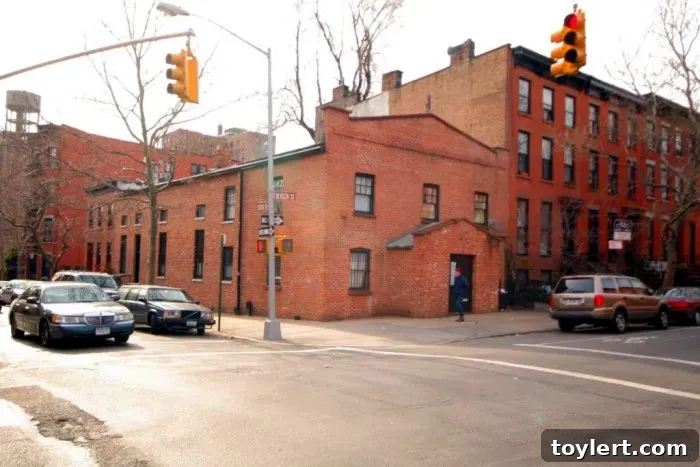
The Enduring Legacy of 192-194 Bergen Street: A Brooklyn Landmark Transformed
Brooklyn, a borough synonymous with dynamic change and a rich tapestry of history, continually reinvents itself, one building at a time. Few structures encapsulate this spirit of transformation as vividly as the remarkable property located at 192-194 Bergen Street. This iconic address has weathered the tides of time, evolving through multiple lives – first as a bustling factory, then a beacon of faith as St. Cyprian’s Protestant Episcopal Church, followed by its tenure as Sacred Heart Chapel, and now, gracefully reimagined, it serves as a distinctive private home. Its journey is a testament to the resilience of urban architecture and the ingenuity of adaptive reuse.
A Journey Through Brooklyn’s Industrial Past
To truly appreciate the current incarnation of 192-194 Bergen Street, one must first look back to its origins. Brooklyn, in the 19th and early 20th centuries, was a burgeoning industrial powerhouse. Areas like Bergen Street, with their proximity to the waterfront and developing transportation networks, were prime locations for manufacturing and light industry. While specific records detailing the factory’s initial operations might be elusive, it’s plausible that it contributed to Brooklyn’s vibrant economic landscape, perhaps producing goods ranging from textiles or machinery to everyday necessities for the growing city. The architectural style of such early industrial buildings was typically robust and functional. Characterized by sturdy brickwork, large windows designed to maximize natural light for workers, and often simple, utilitarian facades, these structures were built for endurance and efficiency rather than elaborate ornamentation. They stood as monuments to an era of progress and labor, forming the backbone of the borough’s economy.
This early phase speaks volumes about the pragmatic beginnings of the property. The building would have seen countless workers pass through its doors daily, their efforts contributing to the collective output of a thriving urban center. The echoes of machinery and human endeavor undoubtedly resonated within its walls, establishing the foundational character of a structure built for purpose and longevity. Such industrial heritage is a significant part of Brooklyn’s story, and 192-194 Bergen Street stands as a silent sentinel to that industrious past.
From Industry to Sanctuary: The Ecclesiastical Era
As Brooklyn evolved, so did its needs. The industrial boom eventually gave way to demographic shifts and the rise of vibrant residential communities. With this transformation came the demand for community spaces, schools, and places of worship. It was during this period that the former factory on Bergen Street embarked on its profound transformation into St. Cyprian’s Protestant Episcopal Church. This conversion was not merely a change of signage; it represented a complete re-envisioning of the building’s purpose and internal space.
Converting an industrial facility into a church presented unique architectural challenges and opportunities. The existing large, open floor plans, once ideal for machinery, could be reconfigured to create expansive naves and congregational areas. Lofty ceilings, previously functional for ventilation, lent themselves beautifully to the grandeur often associated with religious architecture. While no extensive gothic spires or stained-glass windows might have been added during this initial conversion, subtle alterations, such as the introduction of an altar, pews, and perhaps more decorative elements to the window frames, would have imbued the space with a sense of reverence and community. St. Cyprian’s would have served as a spiritual hub, fostering community bonds, offering solace, and marking significant life events for its parishioners in the bustling neighborhood.
The building’s spiritual journey continued with its later transformation into Sacred Heart Chapel. This transition, whether reflecting a change in denomination, a need for a smaller, more intimate worship space, or simply an evolving community, further solidified the building’s role as a place of contemplation and gathering. For decades, the sacred spaces within 192-194 Bergen Street bore witness to countless prayers, ceremonies, and moments of shared faith, layering a profound spiritual history onto its industrial foundation. These periods as places of worship highlight the building’s remarkable adaptability, showcasing how a structure initially designed for material production could be harmoniously repurposed to nurture the human spirit.
The Modern Metamorphosis: A Unique Private Residence
In recent decades, Brooklyn has experienced an unprecedented residential renaissance, characterized by a demand for unique living spaces and a strong appreciation for historical character. This trend paved the way for the most recent and perhaps most striking transformation of 192-194 Bergen Street: its conversion into a private home. This adaptive reuse project exemplifies a growing movement in urban development, where architects and homeowners creatively reimagine existing structures to meet contemporary residential needs while preserving their inherent historical charm.
Converting a former church or chapel into a private residence is an endeavor that combines architectural ingenuity with a deep respect for the building’s past. The expansive interiors, soaring ceilings, and often unique window placements that defined its religious life now offer a canvas for extraordinary residential design. Imagine the challenges and opportunities: designing a functional kitchen and multiple bathrooms within a formerly open-plan ecclesiastical space, ensuring privacy, and integrating modern amenities without sacrificing the building’s distinctive atmosphere. Architectural elements like original exposed brick, arched doorways, or even vestiges of former altar spaces might be carefully preserved and incorporated into the residential design, creating a living environment unlike any other.
The appeal of such conversions is manifold. Homeowners are drawn to the unparalleled sense of history, the generous proportions, and the inherent character that modern constructions often lack. A private home at 192-194 Bergen Street offers residents a living experience steeped in Brooklyn’s layered narrative, a daily reminder of the building’s journey from industry to sanctuary, and now, to an intimate personal haven. This final metamorphosis speaks to a broader appreciation for sustainability and the belief that the best way to build for the future is often to thoughtfully reuse the past.
Architectural Significance and Bergen Street Context
The architecture of 192-194 Bergen Street is a compelling narrative in itself. While its industrial origins might have been characterized by unadorned functionality, its subsequent lives undoubtedly saw various architectural overlays. Elements from its factory days, such as the robust brick facade and the rhythm of its large windows, likely form the foundational aesthetic. The conversion into a church and chapel might have introduced subtle ecclesiastical details, perhaps in the form of window tracery, a distinct entrance portico, or specific interior finishes that enhanced its sacred function. The beauty lies in how these layers of history are now integrated into its residential form. Modern design interventions for its current private home status would typically aim to honor these historical elements while introducing contemporary comforts and aesthetics.
Located on Bergen Street, this building is situated within a vibrant and historically rich part of Brooklyn, likely nestled between the charming neighborhoods of Boerum Hill, Cobble Hill, and perhaps even within proximity to Park Slope. These areas are renowned for their picturesque brownstones, tree-lined streets, and a harmonious mix of residential and commercial properties. The presence of a building with such a storied, multi-purpose past like 192-194 Bergen Street adds a unique texture to the urban fabric of this locale. It stands as a striking counterpoint to the more uniform rows of brownstones, serving as a distinct architectural landmark that enriches the visual and historical landscape of Bergen Street.
The Broader Impact of Adaptive Reuse in Brooklyn
The story of 192-194 Bergen Street is a shining example of adaptive reuse, a practice that has become increasingly vital in urban planning and architectural preservation, especially in cities like Brooklyn with finite space and abundant historical structures. Adaptive reuse is the process of repurposing old buildings for new uses, breathing new life into structures that might otherwise fall into disrepair or face demolition. The benefits are numerous:
- Historical Preservation: It safeguards architectural heritage, ensuring that the stories and craftsmanship of previous eras are not lost.
- Sustainability: Reusing existing buildings reduces waste, conserves energy by avoiding new construction, and lessens the demand for new materials.
- Unique Character: Repurposed buildings often offer distinctive architectural features and spaces that cannot be replicated in new builds, creating properties with unparalleled charm and appeal.
- Community Identity: These projects help maintain the unique character and identity of neighborhoods, preventing the homogenization often associated with continuous new development.
- Economic Benefits: Adaptive reuse can revitalize neighborhoods, attracting new residents and businesses, and often proves more cost-effective than building from scratch.
Brooklyn is a leader in this field, with countless former warehouses, schools, and churches successfully converted into lofts, offices, restaurants, and cultural centers. 192-194 Bergen Street contributes significantly to this narrative, standing as a living embodiment of how respectful and creative transformation can honor the past while robustly serving the present.
A Timeless Testament to Brooklyn’s Evolution
The journey of 192-194 Bergen Street from an industrious factory to a reverent church and chapel, and ultimately to a distinctive private residence, is more than just the tale of a single building; it is a microcosm of Brooklyn’s enduring spirit. It reflects the borough’s continuous cycle of growth, adaptation, and reinvention, showcasing how its physical landscape mirrors its cultural and social evolution. This building stands as a powerful symbol of adaptive reuse, demonstrating that with vision and creativity, structures can transcend their original purpose and contribute new chapters to a city’s ongoing story.
Today, as a private home, 192-194 Bergen Street continues its quiet existence, yet its walls resonate with a rich, layered past. It is a landmark not just for its physical presence, but for the profound narrative it embodies – a testament to Brooklyn’s ability to preserve its soul while embracing an ever-changing future. For those walking past, it’s a tangible reminder that in Brooklyn, every building has a story, and some stories are truly exceptional, evolving beautifully through the decades, one transformation at a time.