Discovering Brooklyn’s Enduring Charm: A Deep Dive into Single-Family Attached Homes
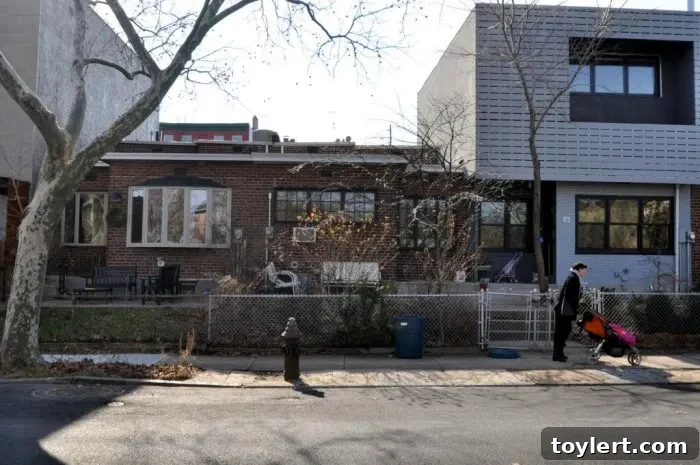
Brooklyn, a borough renowned for its distinctive character, vibrant communities, and rich architectural tapestry, continues to capture the hearts of residents and dreamers alike. In its intricate streetscapes, one particular housing type stands out as a quintessential symbol of Brooklyn living: the single-family attached home. Far more than just a dwelling, these homes represent a lifestyle, a piece of history, and a sound investment in one of the world’s most dynamic urban environments. This article delves into the unique appeal, history, and enduring value of Brooklyn’s single-family attached homes, exploring why they remain a coveted choice for those seeking to plant roots in this iconic New York City borough.
What Exactly Are Single-Family Attached Homes?
To fully appreciate the significance of single-family attached homes in Brooklyn, it’s essential to understand what defines them. Unlike detached homes, which stand alone on their own plots of land, attached homes share one or more walls with neighboring properties. However, critically, they are owned outright by a single family, meaning the owner holds title to both the building and the land it occupies, rather than just an interior unit as in a condominium or co-op. In Brooklyn, these homes are most famously recognized as brownstones, brick row houses, or townhouses, often lining picturesque, tree-lined streets that evoke a sense of timeless elegance.
These structures typically feature multiple stories, private entrances, and often include a small backyard or garden space, offering a unique blend of urban living with a touch of suburban tranquility. Their design prioritizes efficient use of space while maintaining the autonomy and privacy associated with single-family ownership, making them an attractive alternative to traditional detached houses or high-rise apartment living.
The Historical and Architectural Allure of Brooklyn’s Attached Homes
A Legacy Forged in Brownstone and Brick
The history of single-family attached homes in Brooklyn is deeply intertwined with the borough’s development during the 19th and early 20th centuries. As New York City expanded, Brooklyn emerged as a desirable residential area, leading to a boom in construction. Developers built rows of identical or similar homes to accommodate the burgeoning middle and upper classes, giving rise to the iconic streetscapes we know today. Brownstone, a reddish-brown sandstone, became a popular facade material for its distinctive appearance and relative affordability at the time, lending its name to some of the most sought-after properties.
Beyond brownstones, Brooklyn boasts a rich array of attached homes constructed from various materials, including red brick, limestone, and even wood frame in some older sections. Each material and architectural style tells a story of its era, from the ornate Victorian and Romanesque Revival designs with their intricate carvings, bay windows, and grand stoops, to the simpler, more utilitarian Federal and Greek Revival styles. These architectural details are not mere embellishments; they are integral to the charm and historical character that make these homes so unique and desirable.
Distinctive Features and Enduring Craftsmanship
Many of Brooklyn’s attached homes showcase remarkable craftsmanship that has stood the test of time. Original details such as decorative fireplaces, plaster moldings, pocket doors, hardwood floors, and intricate staircases are often preserved, adding immense value and character. The iconic stoop, a flight of stairs leading from the sidewalk to the main entrance, is a hallmark feature, providing not only an elevated sense of grandeur but also a practical buffer from street life. These elements create homes that are not just structures but living pieces of art, reflecting the aesthetic sensibilities of generations past.
Living in a Brooklyn Attached Home: Lifestyle & Community
Opting for a single-family attached home in Brooklyn is choosing a distinct lifestyle that blends urban convenience with a strong sense of community. These homes are predominantly found in established neighborhoods known for their walkability, vibrant local businesses, and lush green spaces. Residents often find themselves within easy reach of world-class dining, cultural institutions, boutique shopping, and excellent public transportation, making daily life both stimulating and manageable.
The Benefits of Attached Home Living
- Enhanced Privacy: While sharing walls, attached homes offer significantly more privacy than apartment living, with private entrances and often personal outdoor spaces.
- Private Outdoor Space: Many attached homes come with small gardens, backyards, or even rooftop decks, providing valuable outdoor sanctuary in the bustling city.
- Investment Value: Brooklyn real estate, particularly single-family homes, has consistently proven to be a robust and appreciating asset, offering strong long-term investment potential.
- Community Feel: These homes are often clustered on quiet, residential streets where neighbors know each other, fostering a strong sense of community spirit often reminiscent of small-town living.
- Lower Maintenance (Compared to Detached): While still requiring upkeep, the absence of four exterior walls and typically smaller lot sizes can sometimes translate to less exterior maintenance than a fully detached home.
- Walkability and Accessibility: Located in highly desirable, amenity-rich neighborhoods, residents enjoy unparalleled access to shops, restaurants, parks, and subway lines.
Challenges and Considerations
While the benefits are numerous, potential owners should also be aware of certain considerations unique to attached homes:
- Shared Walls: Noise transfer from neighbors, though often mitigated by solid historical construction, can occasionally be a factor.
- Limited Lot Size: While offering private outdoor space, these lots are typically smaller than those found with detached suburban homes.
- Parking: On-street parking can be competitive in many Brooklyn neighborhoods, with garage access being a rare and highly valued amenity.
- Renovation Costs: Preserving or restoring historical elements can be costly and may require specialized contractors familiar with period-appropriate materials and techniques.
- Property Taxes: As with all real estate in a desirable urban area, property taxes can be substantial and are an ongoing expense.
Architectural Diversity Across Brooklyn Neighborhoods
The beauty of Brooklyn’s single-family attached homes lies not only in their individual charm but also in their incredible diversity across different neighborhoods. From the grand, stately brownstones of Park Slope and Brooklyn Heights to the more industrial-chic row houses of Bushwick and the artistic enclaves of Carroll Gardens, each area tells its own architectural story. Cobble Hill, known for its intact 19th-century streetscapes, offers a glimpse into a bygone era, while Bed-Stuy boasts an impressive collection of meticulously preserved brownstones and limestones, often larger and grander than those found elsewhere.
This variety means that whether one seeks the classic elegance of a high-stooped brownstone, the rustic charm of a brick worker’s cottage, or a modernized townhouse, Brooklyn offers a neighborhood and a home to match almost every aesthetic preference and budget within this category. Exploring these areas reveals the subtle nuances in facade materials, rooflines, window styles, and overall scale that make each block distinct.
The Real Estate Market for Attached Homes in Brooklyn
The Brooklyn real estate market for single-family attached homes is consistently one of the most competitive and robust in New York City. High demand, limited inventory, and the borough’s ongoing revitalization contribute to steadily appreciating values. These properties are often viewed as premier investments, drawing interest from families seeking more space, young professionals looking to settle, and investors recognizing the enduring appeal of Brooklyn.
Prices are influenced by a myriad of factors, including location within a specific neighborhood, the home’s condition (whether it’s move-in ready, needs light renovation, or is a full gut renovation project), its size, and the presence of desirable features like original details, outdoor space, or additional rental income potential (e.g., a garden apartment). Understanding the local market dynamics and working with experienced real estate professionals are crucial steps for both buyers and sellers navigating this high-stakes environment.
Restoring and Modernizing Historic Attached Homes
Many owners of Brooklyn’s attached homes embrace the opportunity to restore and modernize these historic properties. The process often involves a delicate balance: preserving the original architectural integrity and charm while introducing contemporary amenities and layouts that suit modern living. This can range from updating kitchens and bathrooms to reconfiguring floor plans for open-concept living, or restoring original details like plasterwork and wood finishes to their former glory.
Renovation projects, particularly on historic homes, require careful planning, adherence to local landmark preservation guidelines (if the property is in a designated historic district), and often the expertise of architects and contractors specializing in historic preservation. The result, however, is often a uniquely personalized home that marries the best of old-world charm with cutting-edge comfort and functionality, adding significant value and appeal.
Investing in Brooklyn’s Future: Why Attached Homes Remain Coveted
Brooklyn’s trajectory as a global cultural and economic hub shows no signs of slowing, and its single-family attached homes stand as a testament to its enduring desirability. They represent stability, heritage, and a tangible connection to a vibrant urban tapestry. For many, owning such a home is not just about acquiring property; it’s about investing in a lifestyle, a community, and a piece of New York City’s unparalleled history.
Whether you’re drawn to the picturesque streets, the rich cultural scene, or the promise of a strong investment, the single-family attached home in Brooklyn offers a unique and compelling proposition. It’s a chance to live in a home with character, to contribute to a thriving community, and to own a piece of a borough that truly continues to be built, one beautiful building at a time.