56 Court Street: Unveiling the Enduring Legacy of a Brooklyn Architectural Gem
Brooklyn, a borough renowned for its rich history, vibrant culture, and diverse architectural landscape, tells its story one building at a time. Among its myriad structures, 56 Court Street stands as a compelling testament to the city’s dynamic evolution. Originally known as the “Collegiate Building,” this impressive edifice has undergone a remarkable transformation, adapting from an academic hub to a modern mixed-use commercial and residential property. Its presence on one of Downtown Brooklyn’s most prominent thoroughfares not only contributes to the area’s visual appeal but also encapsulates the narrative of a neighborhood constantly reinventing itself while honoring its deep roots.
The Grandeur and History of 56 Court Street: A Brooklyn Landmark
Nestled in the bustling heart of Downtown Brooklyn, 56 Court Street is more than just a building; it is a repository of history and a symbol of architectural endurance. Its journey began in the early 20th century, a period of significant growth and urban development for Brooklyn. Designed with the architectural sensibilities of its era, likely reflecting a blend of Beaux-Arts or Neo-Renaissance styles, the building originally served as the “Collegiate Building.” This designation suggests its initial purpose was deeply intertwined with education, perhaps housing administrative offices, lecture halls, or even student residences for a nascent or expanding educational institution in the rapidly developing borough. This initial role positioned it as a beacon of learning and intellectual exchange, contributing to the academic vibrancy of the area that continues to this day with numerous colleges and universities nearby.
Architectural Splendor and Enduring Design
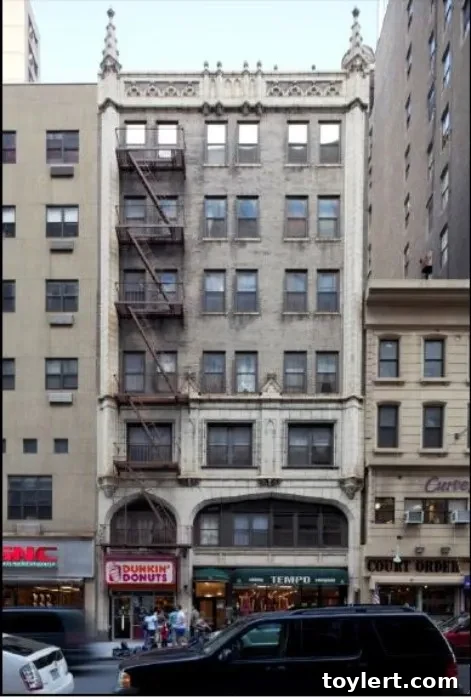
The facade of 56 Court Street speaks volumes about the craftsmanship and aesthetic values of its time. Characterized by its robust masonry, intricate detailing, and classical proportions, the building exudes a sense of permanence and dignity. Its stone exterior, often adorned with decorative elements such as cornices, pilasters, and finely carved motifs, showcases the meticulous attention to detail that defined pre-war architecture. The rhythm of its windows, typically large and uniformly spaced, not only allows ample natural light to flood the interiors but also adds to the building’s stately appearance. These architectural features are not merely decorative; they are functional and symbolic, reflecting the aspirations and architectural trends prevalent in New York City at the turn of the 20th century. Preserving these elements is crucial for maintaining the historical character of Downtown Brooklyn, allowing both residents and visitors to appreciate the layers of history embedded in its urban fabric.
From Academic Pursuits to Urban Living: An Evolution
Over the decades, as Brooklyn evolved, so too did 56 Court Street. The shift from a dedicated “Collegiate Building” to its current mixed-use commercial and residential configuration mirrors broader trends in urban development, where historic structures are repurposed to meet contemporary needs without sacrificing their original charm. This adaptive reuse strategy has breathed new life into the building, allowing it to continue serving the community in a new capacity. Today, the commercial spaces on its lower floors likely host a variety of businesses, ranging from retail establishments to professional offices, contributing to the economic vitality of Court Street. Above, the residential units offer urban dwellers a unique opportunity to live in a historically significant building, blending modern amenities with classic architectural character. This harmonious blend of commerce and residency makes 56 Court Street a micro-ecosystem within the larger Downtown Brooklyn area.
Downtown Brooklyn: The Dynamic Setting of 56 Court Street
The location of 56 Court Street is as significant as the building itself. Court Street is one of Downtown Brooklyn’s primary arteries, a bustling thoroughfare that connects the historic Borough Hall area with the vibrant neighborhoods further south. This street is steeped in history, having been a center for legal, governmental, and commercial activities for centuries. The presence of significant civic institutions, such as the New York City Civil Court and various legal offices, gives Court Street a distinct professional character. However, it also pulses with daily life, featuring an array of shops, restaurants, and cultural venues that cater to a diverse population of residents, professionals, and visitors. 56 Court Street thus finds itself at the crossroads of Brooklyn’s past and present, a pivotal point where historical gravitas meets contemporary urban dynamism.
The Pulse of Court Street: Commercial Vibrancy and Community Life
The commercial component of 56 Court Street plays an integral role in the lively ecosystem of Court Street. Ground-floor retail units are essential for creating an active streetscape, drawing pedestrians and fostering a sense of community. These businesses provide essential services and goods, contributing to the convenience and vibrancy of the neighborhood. For those residing in the upper floors, this means immediate access to a wealth of amenities right at their doorstep, from cafes and eateries to specialty shops and service providers. This symbiotic relationship between the building’s residents and its commercial tenants exemplifies the ideal mixed-use model, where a structure serves multiple functions and enriches the urban experience for all who interact with it.
Residential Appeal: Living in a Historic Brooklyn Building
The residential aspect of 56 Court Street offers a unique living experience. Imagine waking up in a building that has witnessed over a century of Brooklyn’s history, with architectural details that hark back to a bygone era, yet equipped with all the modern comforts. These apartments likely feature high ceilings, large windows offering city views, and a sense of space and solidity often lacking in newer constructions. Living at 56 Court Street means being part of a vibrant urban tapestry, with easy access to Brooklyn Bridge Park, multiple subway lines, cultural institutions like the Brooklyn Academy of Music (BAM), and a plethora of dining and entertainment options. It’s an attractive proposition for individuals and families seeking a blend of historical charm, central convenience, and sophisticated city living.
Brooklyn’s Architectural Tapestry: A Building-by-Building Chronicle
The tagline “Brooklyn, one building at a time” beautifully encapsulates the borough’s approach to its identity. Each structure, from the grandest landmark to the most unassuming row house, contributes a unique thread to the rich tapestry of Brooklyn’s architectural heritage. 56 Court Street is a prime example of how individual buildings tell a broader story of urban development, social change, and architectural trends. It highlights the importance of preserving these historical assets, not just for their aesthetic value, but for the narratives they contain and the connection they provide to past generations.
Preserving History in a Dynamic Metropolis
In a city as dynamic and ever-evolving as New York, the preservation of historic buildings like 56 Court Street is paramount. These structures act as tangible links to the past, reminding us of the city’s origins and its continuous growth. Efforts by organizations and city agencies to document and protect such buildings ensure that Brooklyn’s unique character is not lost amidst new developments. Adaptive reuse, as seen at 56 Court Street, represents a sustainable and thoughtful approach to urban development, demonstrating that modernity and history can coexist harmoniously. It allows buildings to maintain their relevance and utility for future generations, preventing demolition and promoting sustainable practices.
The Unique Character of Brooklyn’s Structures
Brooklyn’s architectural diversity is truly exceptional, ranging from the stately brownstones of Park Slope and Brooklyn Heights to the industrial chic of Dumbo and the contemporary high-rises transforming Downtown Brooklyn. 56 Court Street, with its blend of historical gravitas and modern functionality, exemplifies this diversity. It stands as a reminder that every corner of the borough holds architectural treasures waiting to be discovered and appreciated. Each building has a story, a purpose, and a place in the collective memory of Brooklynites, contributing to the borough’s distinctive charm and allure.
Conclusion: 56 Court Street as a Brooklyn Icon
In conclusion, 56 Court Street is much more than just an address; it is a living monument to Brooklyn’s enduring spirit of adaptation and historical richness. From its origins as the “Collegiate Building,” fostering education and intellectual growth, to its current incarnation as a vibrant mixed-use commercial and residential property, it embodies the continuous evolution of Downtown Brooklyn. Its magnificent architecture, strategic location, and compelling history make it an integral part of the borough’s narrative. As Brooklyn continues to grow and redefine itself, structures like 56 Court Street serve as powerful anchors, connecting its storied past with its promising future, ensuring that the unique identity of Brooklyn is preserved and celebrated one remarkable building at a time.