Unveiling Windsor Terrace: A Deep Dive into Brooklyn’s Iconic Row Houses, Featuring 715-811 Greenwood Avenue
Brooklyn, one building at a time – a mantra that perfectly encapsulates the spirit of exploring this borough’s rich architectural tapestry. From the grand brownstones of Park Slope to the charming wood-frame homes of Ditmas Park, Brooklyn’s built environment tells a story of relentless evolution, community spirit, and enduring design. Today, our architectural journey takes us to the tranquil, tree-lined streets of Windsor Terrace, a neighborhood celebrated for its distinctive character and, perhaps most notably, its captivating collection of historic row houses. Among these, the stretch encompassing 715-811 Greenwood Avenue offers a fascinating glimpse into the area’s architectural heritage, with particular attention drawn to the unique example found at 715 Greenwood Avenue.
Windsor Terrace: A Neighborhood Defined by History and Charm
Nestled between Prospect Park and Green-Wood Cemetery, Windsor Terrace enjoys a unique position that has historically shaped its development and preserved its residential charm. Unlike some of Brooklyn’s more bustling neighborhoods, Windsor Terrace maintains a quieter, more intimate feel, making it a highly sought-after enclave for those who appreciate a balance of urban convenience and suburban tranquility. Its origins trace back to the mid-19th century, evolving from a rural landscape into a residential haven as Brooklyn’s population expanded. The construction of the elevated railway lines and subsequent streetcar routes facilitated its growth, transforming vast plots of land into the blocks of row houses that define its streetscape today.
The neighborhood’s architectural identity is largely a product of the late 19th and early 20th centuries, a period when various architectural styles flourished. Builders and developers, eager to cater to the burgeoning middle class, constructed rows of homes that combined practicality with aesthetic appeal. This era saw the rise of Romanesque Revival, Queen Anne, and Neo-Grec styles, often featuring elaborate stonework, decorative cornices, and elegant stoops that invite residents and visitors alike to admire their intricate details. Windsor Terrace’s row houses are not just buildings; they are a testament to a bygone era of craftsmanship and community planning, each brick and cornice telling a part of Brooklyn’s grand story.
The Enduring Appeal of Brooklyn Row Houses
Row houses are synonymous with Brooklyn living. These attached or semi-attached single-family homes, typically sharing side walls with adjacent properties, maximize land use while creating cohesive and aesthetically pleasing streetscapes. Their design often features deep lots, allowing for private gardens, and multi-story layouts that provide ample living space for families. Beyond their practical advantages, Brooklyn row houses possess an undeniable charm and character that standalone homes often lack. They evoke a sense of history, permanence, and community, fostering strong neighborhood bonds as residents share front stoops and common architectural heritage.
Architecturally, Brooklyn row houses showcase a diverse array of materials and decorative elements. While the iconic “brownstone” often comes to mind, many are constructed from brick, limestone, or a combination thereof. Facades might feature ornate carvings, bay windows, or projecting stoops that serve as social gathering points. Interior layouts, while varying, typically include parlors, dining rooms, and kitchens on the lower levels, with bedrooms and bathrooms on upper floors. The preservation of these historic homes is a vital part of Brooklyn’s identity, safeguarding the visual integrity and historical narrative of its streetscapes for future generations.
715-811 Greenwood Avenue: A Snapshot of Architectural Diversity
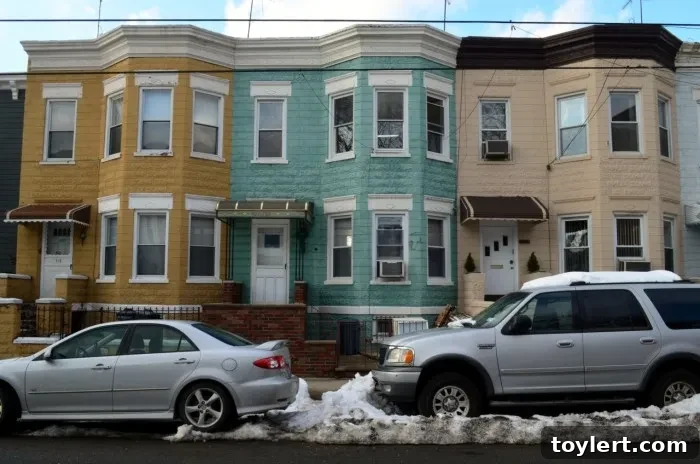
The block stretching from 715 to 811 Greenwood Avenue in Windsor Terrace presents a compelling cross-section of the neighborhood’s residential architecture. While specific details for every single building in this range would require individual historical research, the collective presence of these row houses speaks volumes about the area’s development. Generally, homes in this vicinity reflect the popular styles of the late 19th and early 20th centuries, characterized by sturdy construction, thoughtful detailing, and a human-scale urban design that remains highly desirable today.
Most of the row houses along Greenwood Avenue would likely feature classic brick facades, often accented with stone or terracotta details, intricate cornices, and multi-paned windows. These homes typically boast high ceilings, original hardwood floors, and period details that resonate with their historical context. The charm of these residences lies not only in their individual beauty but also in their harmonious grouping, creating a unified streetscape that invites leisurely strolls and deep appreciation for their enduring design. The gentle slope of the street, combined with mature trees, further enhances the picturesque quality of this particular block, making it a quintessential representation of Windsor Terrace’s appeal.
A Unique Specimen: The Concrete Facade of 715 Greenwood Avenue
While brick and brownstone dominate much of Brooklyn’s row house landscape, 715 Greenwood Avenue stands out as a particularly intriguing example, hinting at a rare and distinct architectural choice: a concrete facade. This detail, often unexpected in a neighborhood primarily known for traditional materials, offers a fascinating deviation from the norm. The use of concrete for a facade in the era when many of these row houses were built was less common, suggesting either a unique original construction or a significant later renovation that opted for this robust and versatile material.
If original, a concrete facade at 715 Greenwood Avenue would represent an early adoption of a material that would become much more prevalent in 20th-century architecture. Such a choice could have been driven by innovation, cost-effectiveness, or a desire for a particular aesthetic that diverged from the Victorian conventions. Concrete, when used thoughtfully, can offer incredible durability, fire resistance, and the ability to be molded into various decorative forms, from smooth, minimalist surfaces to textured, ornamental finishes. A concrete facade might lend 715 Greenwood Avenue a more modern, streamlined appearance compared to its brick and stone neighbors, or it could be crafted to mimic traditional stone, showcasing the material’s adaptability.
Alternatively, the concrete facade could be the result of a later modification or restoration. As buildings age, materials can degrade, and owners sometimes choose to update or re-clad their homes with modern, durable solutions. A concrete application could provide an excellent protective layer, improve insulation, or simply refresh the building’s exterior while maintaining its structural integrity. Regardless of its origin, the presence of a concrete facade at 715 Greenwood Avenue makes it a standout property on the block, inviting closer inspection and posing questions about its architectural journey and the choices made by its past and present stewards. It serves as a compelling example of how individual buildings within a historic district can surprise and delight with their unique characteristics, adding layers of complexity to the overall architectural narrative of Windsor Terrace.
The Evolution and Preservation of Windsor Terrace Homes
Like many historic Brooklyn neighborhoods, Windsor Terrace has experienced various phases of evolution. Once predominantly working-class, it has seen increasing interest from professionals and families drawn to its charm, proximity to Prospect Park, and excellent transportation links. This renewed interest has brought about a wave of preservation efforts and thoughtful renovations. Homeowners in Windsor Terrace often strive to maintain the historical integrity of their properties while updating interiors for contemporary living. This delicate balance ensures that the architectural heritage is preserved, even as the homes adapt to modern demands.
The row houses of 715-811 Greenwood Avenue, in particular, embody this ongoing dialogue between past and present. Their continued existence and desirability speak to the enduring quality of their original construction and the timeless appeal of their design. These buildings are not just structures; they are homes that have housed generations, witnessed countless stories, and contributed significantly to the fabric of a beloved Brooklyn community. Their robust construction and classic layouts make them ideal candidates for sensitive renovations that honor their history while infusing them with new life and energy.
Investing in History: The Value of Windsor Terrace Row Houses
From a real estate perspective, Windsor Terrace row houses, including those on Greenwood Avenue, represent a sound investment in one of Brooklyn’s most stable and attractive markets. The unique blend of architectural character, community feel, and prime location contributes to their sustained value. Buyers are not just acquiring property; they are investing in a piece of Brooklyn’s history and a lifestyle that champions local businesses, green spaces, and a strong sense of belonging.
The architectural details, from the varied brickwork to the unique concrete facade at 715 Greenwood Avenue, add significant appeal and distinguish these homes from newer, more uniform constructions. For those passionate about urban history and design, these row houses offer an unparalleled opportunity to live within and contribute to a living architectural museum. They stand as a testament to Brooklyn’s enduring appeal, celebrating its past while embracing its vibrant future, one meticulously crafted building at a time.