Clinton Hill’s Dynamic Transformation: Starbucks Opens Amidst Promises and Progress at 325 Lafayette Avenue
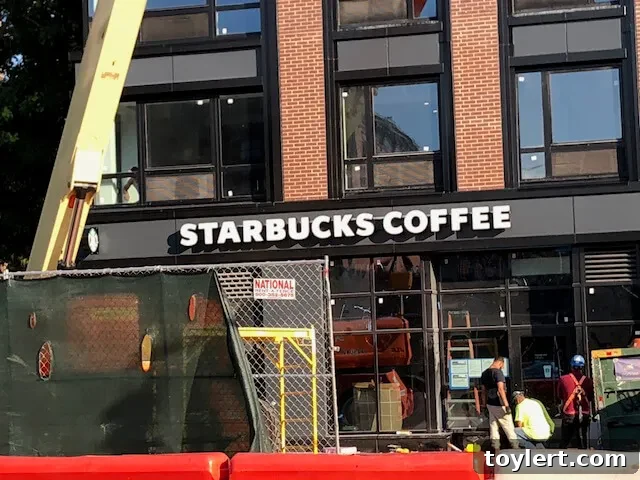
The vibrant and historically rich neighborhood of Clinton Hill, Brooklyn, is once again a focal point for urban development discussions, particularly concerning the significant mixed-use project at 325 Lafayette Avenue. Recent reports confirm the much-anticipated opening of a Starbucks coffee shop at this prominent address, a development that has already sparked conversations among local residents and business owners. While the arrival of a global coffee giant often signals increased commercial activity, it also raises questions about the evolving character of a neighborhood known for its unique, independent spirit and thriving local businesses.
The Arrival of Starbucks: A Brew of Mixed Reactions in Clinton Hill
Word of Starbucks setting up shop at 325 Lafayette Avenue has spread quickly through Clinton Hill, courtesy of a discerning tipster who expressed a sentiment shared by many long-time residents. The concern isn’t merely about another coffee shop; it’s about the potential impact on the cherished local ecosystem. Clinton Hill boasts a robust selection of homegrown alternatives, deeply embedded in the community’s daily rhythm. Just steps away from this new development, patrons can enjoy the unique atmospheres and artisanal offerings of beloved establishments such as Choice, Urban Vintage, and The Market – all serving exceptional coffee and fostering genuine community connections.
The debate surrounding chain stores like Starbucks entering established neighborhoods is a familiar one across New York City. On one hand, some argue that such establishments bring convenience, brand familiarity, and potentially increased foot traffic that could benefit other local businesses. On the other hand, a strong counter-narrative emphasizes the importance of preserving local identity, supporting independent entrepreneurs, and preventing the homogenization of unique urban landscapes. For many in Clinton Hill, the presence of these local coffee shops represents more than just a place to grab a morning brew; they are vital community hubs, offering distinct character and contributing to the neighborhood’s charm. The challenge for 325 Lafayette Avenue will be to integrate new commercial ventures in a way that respects and ideally enhances the existing fabric of Clinton Hill.
The Lingering Promise of a Grocery Store: The Key Food Saga
Beyond the aroma of freshly brewed coffee, a more pressing concern for the Clinton Hill community revolves around the retail space at 325 Lafayette Avenue. A central promise made during the inception of this ambitious project was the return of a grocery store to the site, a commitment that followed a significant community outcry in 2015. That year marked the closure of the beloved Key Food supermarket, which had served as a crucial neighborhood anchor for years. Its demolition made way for the construction of the current eight-story apartment building, leaving a void in grocery access for many residents.
Following the intense community opposition to losing such a vital resource, owner-developer Dan’s Supreme Supermarkets made a clear pledge: a new, modern supermarket would eventually occupy the retail base of the new development. This promise was a cornerstone in gaining community acceptance for the project. As the building nears full completion and commercial tenants begin to occupy spaces, the anticipation for this supermarket’s return is palpable. For many in Clinton Hill, especially those without easy access to other major grocery outlets, the availability of a full-service supermarket is not just a convenience but a necessity, impacting daily life and food security. Whether the remaining retail space will indeed be given over to a grocery store, fulfilling this long-standing promise, remains a critical question on the minds of residents. The integrity of urban development often hinges on such commitments, and the community is keenly watching for its fulfillment.
Affordable Housing: Addressing Brooklyn’s Housing Needs
Beyond the commercial ground floor, the upper levels of 325 Lafayette Avenue represent a significant contribution to addressing Brooklyn’s pressing housing crisis. In April, an affordable housing lottery was launched for 35 apartments within the building. This initiative is a crucial component of the project, aiming to provide much-needed housing opportunities for individuals and families across various income brackets in one of New York City’s most competitive real estate markets.
The development of 325 Lafayette Avenue is a collaborative effort involving prominent players in New York’s real estate sector. Slate Property Group partnered with Dan’s Supreme Supermarkets, combining their expertise to bring this complex mixed-use building to fruition. The architectural vision for the project was crafted by Aufgang Architects, a firm renowned for its work on residential and mixed-use developments throughout the city. Their design seeks to blend modern aesthetics with the historical context of Clinton Hill, contributing to the evolving streetscape of Lafayette Avenue.
The inclusion of affordable housing units is particularly vital in neighborhoods like Clinton Hill, which have experienced substantial gentrification and rising housing costs over the past decades. Such lotteries offer a lifeline to prospective residents who might otherwise be priced out of the borough, fostering economic diversity and ensuring that Brooklyn remains accessible to a broad spectrum of New Yorkers. The 35 units at 325 Lafayette Avenue represent a step towards fulfilling the ongoing demand for equitable housing solutions within the borough.
Architectural Vision and Urban Integration by Aufgang Architects
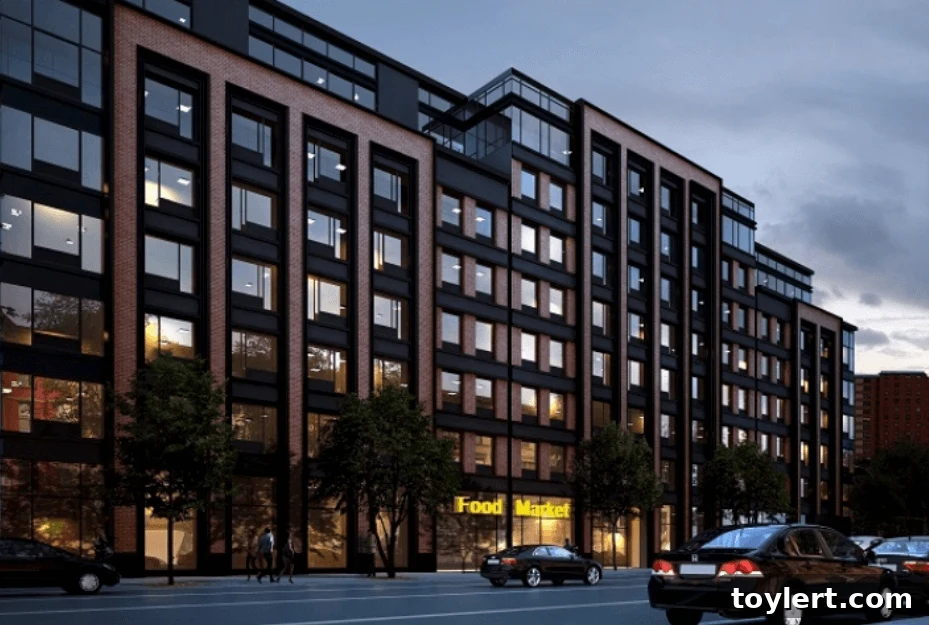
The architectural design by Aufgang Architects plays a pivotal role in how 325 Lafayette Avenue integrates into the Clinton Hill landscape. Renderings of the building suggest a contemporary design that aims to be both functional and aesthetically pleasing. In a neighborhood characterized by its beautiful brownstones, tree-lined streets, and a mix of historic and newer structures, the challenge for any new development is to contribute positively to the visual harmony while meeting modern urban demands. Aufgang Architects’ approach typically balances efficient space utilization with thoughtful facade treatments, often incorporating elements that reflect the surrounding urban fabric.
The structure at 325 Lafayette Avenue is envisioned as a multi-story building that combines ground-floor retail with residential units above. This mixed-use typology is increasingly common in urban planning, as it promotes vibrant street life and provides essential services directly to residents. The design consideration for this building would have included factors like light, air, and pedestrian experience, aiming to create a welcoming and integrated space that serves its inhabitants and the broader community. The facade materials, window treatments, and overall massing are all elements that contribute to how the building is perceived and how it interacts with its historic Clinton Hill setting.
Clinton Hill’s Evolving Identity: Balancing Progress with Preservation
Clinton Hill itself is a neighborhood in constant evolution, grappling with the complexities of growth and change. Historically a district known for its grand mansions and stately brownstones, it has seen significant development and demographic shifts in recent decades. Projects like 325 Lafayette Avenue encapsulate this ongoing transformation. They bring new residents, new businesses, and new architectural forms, which can infuse fresh energy into the area. However, they also present a continuous challenge to maintain the unique character and community spirit that residents value so highly.
The dynamic at 325 Lafayette Avenue—from the arrival of a global brand like Starbucks to the promise of a returning essential grocery store and the provision of affordable housing—serves as a microcosm of urban development in Brooklyn. It highlights the complex interplay between commercial interests, community needs, housing demands, and architectural innovation. The success of such projects is often measured not just by their economic viability but by their ability to positively integrate into, and contribute to, the social and cultural fabric of the neighborhoods they inhabit.
The Future Outlook for 325 Lafayette Avenue and Clinton Hill
As the finishing touches are applied to 325 Lafayette Avenue, and the Starbucks sign becomes a permanent fixture on the block, all eyes remain on the full realization of the developer’s promises. The community will continue to monitor the progress of the promised grocery store, which stands as a significant indicator of the development’s commitment to local needs. Meanwhile, the residents moving into the affordable housing units will undoubtedly contribute to the vibrant tapestry of Clinton Hill, bringing new stories and perspectives to this historic neighborhood.
The project at 325 Lafayette Avenue is more than just a building; it is a narrative of urban change, a blend of commerce, community, and housing that reflects the ongoing evolution of Brooklyn. It stands as a testament to the continuous dialogue between developers, architects, and the communities they serve, striving to balance modern demands with local heritage. Clinton Hill continues to thrive, adapting to new additions while fiercely protecting the essence that makes it one of Brooklyn’s most cherished neighborhoods. The coming months will reveal the full impact of this significant development on its immediate surroundings and the broader Clinton Hill community.