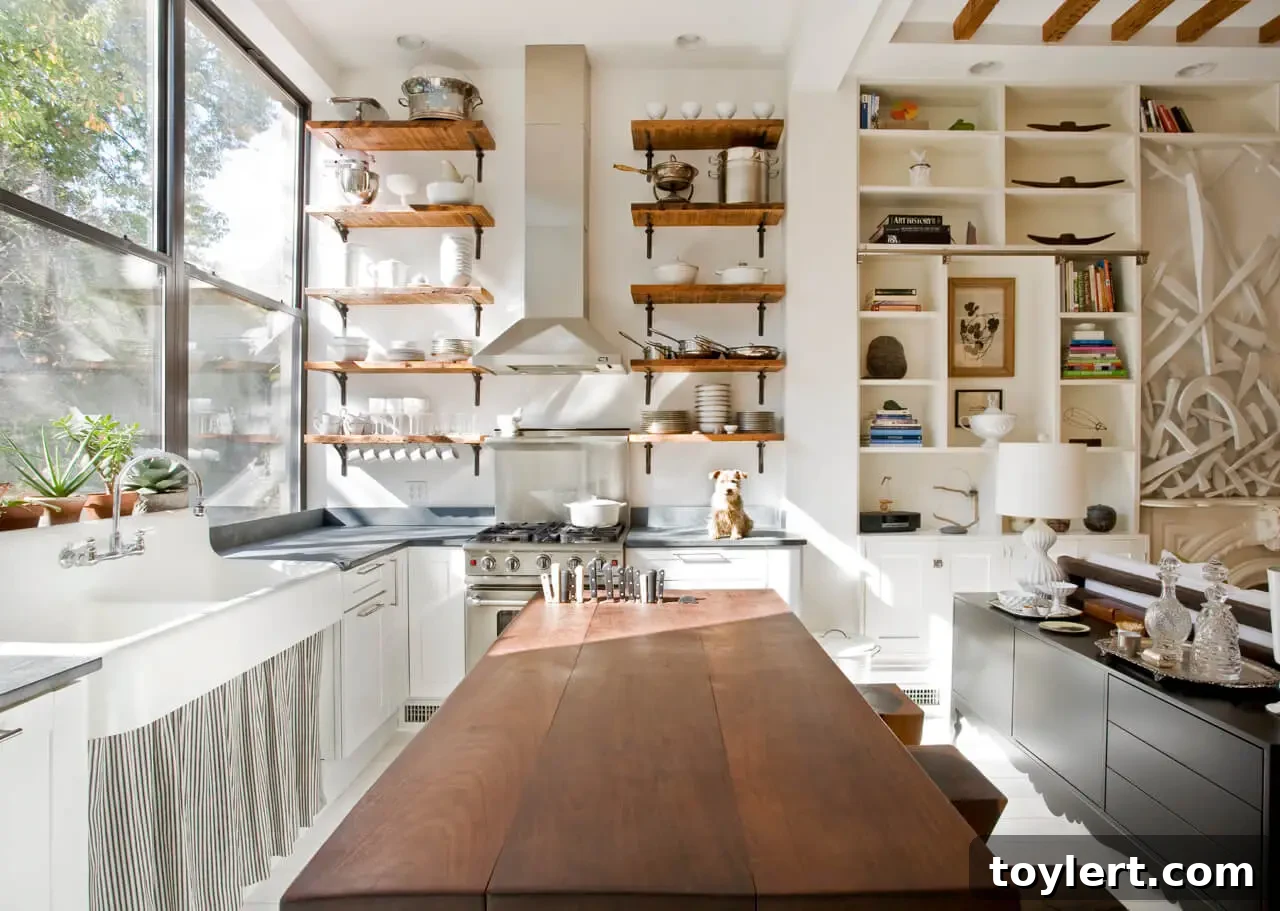
Embracing Steel Windows in Brownstones: Balancing Aesthetic Appeal with Thermal Efficiency
Brownstone renovations often present a fascinating challenge: how to blend historic charm with modern functionality and comfort. A common desire among renovators is to open up the rear of their brownstone, perhaps with an expansive wall of steel-framed windows, to invite more natural light and create a contemporary indoor-outdoor flow. While the aesthetic appeal of slender steel profiles and large glass panes is undeniable, a significant concern frequently arises: the potential for a drafty, thermally inefficient glass wall. This article delves into the critical considerations for installing steel windows in brownstones, particularly focusing on thermal performance, practical solutions, and budgetary implications.
The Timeless Allure of Steel Windows
Steel windows have long been celebrated for their unparalleled strength, durability, and classic elegance. Their inherent robustness allows for incredibly slender frames, maximizing glass area and providing unobstructed views. This characteristic makes them particularly appealing for brownstone owners looking to create a striking visual impact and enhance natural light within their often narrow, deep interiors. Steel’s industrial-chic aesthetic also complements both historic architecture and contemporary design schemes, making it a versatile choice for modern additions to traditional homes. Beyond aesthetics, steel windows are known for their longevity, often lasting for decades with proper maintenance, making them a sound long-term investment for discerning homeowners.
Addressing the Elephant in the Room: Thermal Performance and Drafts
Despite their many advantages, traditional steel windows have a historical reputation for being poor insulators. Steel is a highly conductive material, meaning it readily transfers heat and cold between the interior and exterior environments. This conductivity can lead to significant heat loss in winter, heat gain in summer, and the dreaded condensation and drafts that concern many renovators. A large expanse of traditional steel-framed glass can indeed become a weak point in a home’s thermal envelope, leading to discomfort and inflated energy bills. The challenge, therefore, lies in harnessing the beauty of steel while mitigating its thermal weaknesses.
The Gold Standard: Steel Windows with a Thermal Break
The most effective and widely recommended solution for improving the thermal performance of steel windows is the incorporation of a “thermal break.” A thermal break is essentially a non-conductive material, such as a rigid polyurethane or specialized polymer, strategically inserted between the interior and exterior sections of the steel frame. This insulating barrier prevents the direct transfer of heat and cold through the metal, effectively disrupting the conductive path. Steel windows equipped with thermal breaks dramatically reduce heat loss/gain, minimize condensation, and significantly improve the overall energy efficiency of the fenestration system. Homeowners who have opted for thermal break steel windows often report a noticeable difference in interior comfort, reduced drafts, and lower heating and cooling costs, making them a worthwhile investment for long-term comfort and energy savings.
Understanding Thermal Performance Metrics
- U-factor: This measures how well a window prevents heat from escaping. Lower U-factor values indicate better insulating performance. For steel windows, a thermal break significantly reduces the U-factor.
- Solar Heat Gain Coefficient (SHGC): This measures how much solar radiation passes through a window. Lower SHGC values are desirable in hot climates to reduce cooling loads, while higher values might be beneficial in cold climates for passive solar heating.
- Air Leakage (AL): This measures how much air infiltrates through the window assembly. A tight seal and proper installation are crucial for a low AL value, which directly impacts draft prevention.
Navigating Budgetary Constraints: Alternatives and Smart Choices
While thermal break steel windows are the ideal solution, they often come with a premium price tag, which might not align with every renovation budget. If the budget won’t allow for top-of-the-line thermal break options, renovators still have several strategies to consider to improve comfort and efficiency:
1. High-Performance Glazing Units
Even if the frames lack a full thermal break, investing in the glass itself can make a substantial difference. Consider:
- Insulated Glass Units (IGUs): Opt for double-pane (or even triple-pane) glass with an air or, preferably, an inert gas fill (like argon or krypton) between the panes. These gases are denser than air and further slow down heat transfer.
- Low-Emissivity (Low-E) Coatings: These microscopic, transparent metallic coatings are applied to one or more glass surfaces to reflect radiant heat. Low-E coatings can significantly reduce both heat loss in winter and heat gain in summer without compromising visible light transmission. Different types of Low-E coatings are available, optimized for various climates.
- Warm-Edge Spacers: Traditional aluminum spacers in IGUs can create a thermal bridge at the glass edge. Warm-edge spacers, made from less conductive materials, reduce heat transfer around the perimeter of the glass, further improving the unit’s U-factor and minimizing condensation at the edges.
2. Meticulous Installation and Sealing
Even the most advanced windows will perform poorly if not installed correctly. Proper installation is paramount for preventing drafts:
- Professional Installation: Engage experienced installers who specialize in steel windows and understand the intricacies of creating an airtight seal.
- Flashing and Weatherstripping: Ensure all flashing is correctly installed to prevent water intrusion, and that high-quality weatherstripping is used around all operable parts of the windows.
- Air Sealing: Pay close attention to air sealing around the entire window opening with appropriate sealants and insulation (e.g., expanding foam specifically designed for windows and doors). This step is often overlooked but is critical for preventing drafts and energy loss.
3. Strategic Design Choices
Sometimes, modifying the design slightly can yield better performance without sacrificing too much aesthetic appeal:
- Minimize Operable Sections: Fixed windows are inherently more airtight than operable ones. If a large glass wall is desired, consider having fewer operable sections, or strategically place them where ventilation is most needed.
- Smaller Panes, More Frames: While steel’s strength allows for large panes, breaking up a vast glass wall into smaller units (even with steel mullions) can slightly reduce the overall thermal load compared to one massive, un-segmented glass sheet. However, this is less impactful than a thermal break and might compromise the desired minimalist aesthetic.
- Consider Shading: External shading devices (awnings, pergolas, strategically planted trees) can significantly reduce solar heat gain in summer, easing the load on your cooling system.
4. Interior Solutions and Supplementary Measures
While not addressing the window’s inherent thermal properties, these can help mitigate the effects of a less efficient window:
- Heavy, Insulated Window Treatments: Thick drapes or cellular shades can provide an additional layer of insulation and help block drafts, especially at night or during extreme weather.
- Underfloor Heating: In rooms with large expanses of glass, underfloor heating can counteract the cooling effect of the windows and prevent cold spots.
Long-Term Value vs. Upfront Cost
The decision to invest in thermal break steel windows often comes down to a cost-benefit analysis. While the initial investment for high-performance steel windows is higher, the long-term benefits are substantial. These include:
- Reduced Energy Consumption: Lower heating and cooling bills translate into significant savings over the lifespan of the windows.
- Enhanced Comfort: A draft-free, consistent indoor temperature drastically improves living quality, especially in spaces with large glass areas.
- Increased Property Value: Energy-efficient, high-quality windows are an attractive feature for potential buyers and can increase the overall value of your brownstone.
- Environmental Impact: Lower energy consumption contributes to a smaller carbon footprint.
The Importance of Expert Consultation
Given the complexities involved, especially with brownstone renovations and the specific requirements of steel fenestration, it is highly advisable to consult with experienced professionals. Engage architects, structural engineers, and window manufacturers or suppliers who specialize in high-performance steel windows for historic properties. They can provide tailored advice, precise U-factor calculations for your specific design, and ensure that the chosen solution meets both your aesthetic desires and thermal performance goals, all while respecting the structural integrity and historical context of your brownstone.
Conclusion: Marrying Beauty with Performance
Opening up the rear of a brownstone with a striking wall of steel windows is an exciting design choice that can dramatically transform a living space. While concerns about drafts and thermal inefficiency are valid, modern advancements, particularly thermal break technology, offer robust solutions. Homeowners must weigh the upfront cost of premium, thermally broken steel windows against the long-term benefits of energy savings, enhanced comfort, and increased property value. If budget constraints are tight, strategic choices in glazing, meticulous installation, and careful design can still yield a beautiful and reasonably efficient outcome. Ultimately, with careful planning and the right expertise, it is entirely possible to achieve the desired aesthetic impact of steel windows without sacrificing comfort or environmental responsibility in your brownstone renovation.