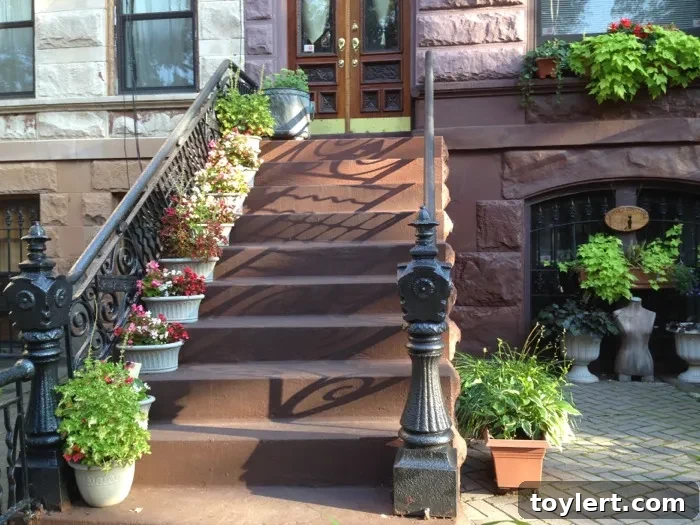
Navigating Permits for Your NYC Front Yard Renovations: Stoop Repair and Iron Fence Installation
Embarking on front yard improvements can significantly enhance your home’s curb appeal and functionality. Many homeowners dream of revitalizing their property, perhaps by restoring a classic stoop or installing an elegant iron fence. However, before you pick up a tool or hire a contractor, a crucial question often arises: Do I need a permit for this work? This comprehensive guide will delve into the complexities of permits for stoop repairs and iron fence installations in New York City, ensuring your project is compliant, safe, and stress-free.
The Indispensable Role of Building Permits: Why They Matter
The immediate answer to whether you need a permit is often “yes,” especially in a complex urban environment like New York City. Permits are not merely bureaucratic hurdles; they are vital safeguards designed to protect property owners, workers, and the public. They ensure that construction and renovation work adheres to strict safety standards, zoning regulations, and, importantly, preserves the architectural integrity of the city, especially in historic districts.
- Safety Assurance: Permits mandate that work meets established building codes, preventing structural failures, electrical hazards, and other dangers.
- Legal Compliance: Unauthorized work can lead to hefty fines, stop-work orders, and even legal action. Having permits ensures your project is above board.
- Property Value Protection: Permitted work adds legitimate value to your home. Unpermitted work can complicate future sales, as buyers may be wary of non-compliant additions or alterations.
- Historical Preservation: In designated historic districts, permits ensure renovations respect the original architectural character and guidelines set by the Landmarks Preservation Commission (LPC).
- Quality Control: The inspection process associated with permits helps verify that contractors are performing work according to approved plans and industry best practices.
Decoding Permits for Stoop Repairs in New York City
Your stoop is more than just an entryway; it’s a defining feature of many NYC brownstones and townhouses. Repairs can range from minor cosmetic fixes to significant structural overhauls, and the need for a permit often hinges on the scope of work.
Minor vs. Major Stoop Repairs: When is a Permit Required?
Generally, minor cosmetic repairs that do not involve structural changes, alterations to the footprint, or changes to plumbing/electrical systems might not require a full Department of Buildings (DOB) permit. Examples include:
- Repointing crumbling mortar between bricks or stones.
- Patching small cracks in concrete or stone surfaces.
- Painting or surface treatment that doesn’t alter the material.
However, once the work involves structural elements, significant demolition, or changes to the stoop’s dimensions, a permit becomes almost certainly necessary:
- Rebuilding or Replacing Steps: If you’re replacing entire steps, risers, or treads, especially if they are load-bearing, a permit is likely required.
- Altering the Stoop’s Footprint: Expanding or reducing the size of your stoop will necessitate a permit, as this impacts property lines and zoning.
- Structural Repairs: Any work affecting the structural integrity of the stoop, such as repairing a failing foundation or rebuilding supporting walls, demands a permit and often professional engineering plans.
- Material Changes: While often overlooked, switching from one material to another (e.g., wood to concrete, or concrete to natural stone) can trigger permit requirements, especially in historic districts.
- Handrail/Railing Replacement: While seemingly minor, changes to railings, particularly if they affect safety or accessibility codes, may require permits.
The Role of the Landmarks Preservation Commission (LPC)
New York City is rich in historic architecture, and many brownstones and townhouses fall within designated historic districts. If your property is in an LPC-designated historic district, any exterior work, including stoop repairs, will require special review and approval from the LPC in addition to a DOB permit. The LPC ensures that renovations maintain the historical character and aesthetic of the neighborhood. This process often involves:
- Submitting detailed architectural drawings.
- Providing material samples for approval.
- Demonstrating that the proposed work is appropriate for the historic context.
Permits for Iron Fence Installation: What You Need to Know
An iron fence can add security, charm, and definition to your front yard. However, installing one in NYC also comes with its own set of permit considerations, primarily related to zoning, property lines, and aesthetics.
Key Factors Influencing Permit Needs for Fences
- Height Restrictions: This is one of the most common reasons for permit requirements. NYC zoning resolutions specify maximum allowable fence heights in front yards, typically around 4 to 6 feet, depending on the zoning district. Fences exceeding these limits will absolutely require a permit and potentially a variance.
- Property Lines: Ensuring your fence is entirely on your property is paramount. Encroaching on public sidewalks or neighboring properties can lead to disputes and legal issues. A survey is often recommended to accurately establish property lines.
- Material and Design Changes: While replacing an existing fence with one of similar height and material might be considered minor, installing a brand new iron fence or significantly changing the material, height, or design from an existing one will likely require a permit.
- Historic District Considerations: Just like with stoop repairs, if your property is in a historic district, the LPC will need to approve the design, material, and placement of your new iron fence. They will look for designs that are historically appropriate for the building and the district.
- Corner Lots: Properties on corner lots often have more stringent regulations regarding fence heights and setbacks to ensure clear sightlines for traffic.
Specific Documents and Considerations for Fence Permits
When applying for a fence permit, you’ll typically need to provide:
- Detailed drawings showing the fence’s location relative to property lines and existing structures.
- Specifications for the fence material, height, and design.
- Proof of property ownership.
- For historic districts, a Certificate of Appropriateness from the LPC.
The Permit Application Journey: A General Overview
While specific requirements can vary, the general process for obtaining building permits in NYC follows a predictable path:
- Initial Research: Begin by consulting the NYC Department of Buildings (DOB) website and, if applicable, the Landmarks Preservation Commission (LPC) website. Identify the specific permit types needed for your stoop and fence projects.
- Professional Consultation: Unless your project is extremely minor, it’s highly advisable to consult with licensed professionals such as architects, structural engineers, or experienced contractors. They can assess your project, advise on permit requirements, and help prepare necessary drawings.
- Design and Documentation: For most significant projects, you’ll need professionally prepared architectural and/or engineering plans. These detailed drawings illustrate the scope of work, materials, and compliance with building codes.
- Application Submission: Submit your application package to the DOB (and LPC, if applicable) through their online portals or designated offices. This package includes application forms, plans, and supporting documents.
- Review and Approval: Your application will undergo review by city agencies. They may request additional information or modifications to your plans. This phase can take several weeks or even months, especially for complex projects or those in historic districts.
- Permit Issuance: Once approved, your permit will be issued. It must be prominently displayed at the work site.
- Inspections: Throughout the construction process, various inspections will be required at different stages of the work to ensure compliance with the approved plans and building codes. Do not proceed to the next stage of work without a passed inspection for the previous stage.
- Project Completion and Sign-Off: Upon final inspection and approval, the permit will be closed out, signifying that the work has been completed in accordance with all regulations.
The Perils of Proceeding Without a Permit
The temptation to bypass the permit process to save time or money is understandable, but the risks far outweigh any perceived benefits. Undertaking unpermitted work can lead to severe consequences:
- Stop-Work Orders: If city inspectors discover unpermitted work, they can issue a stop-work order, halting your project indefinitely.
- Fines and Penalties: Significant fines can be levied for unpermitted construction, which often far exceed the cost of the original permit.
- Mandatory Rework or Demolition: You might be forced to redo work to comply with codes, or in some cases, even demolish the unauthorized construction.
- Difficulty Selling Your Home: Unpermitted alterations can become a major red flag during property transactions, potentially devaluing your home or making it unsellable until the issues are rectified.
- Insurance Complications: In the event of an accident or damage, your homeowner’s insurance might not cover losses related to unpermitted work.
- Safety Concerns: Work done without proper oversight may not meet safety standards, posing risks to occupants and the public.
Hiring Professionals: Your Best Investment
Navigating the permit landscape in New York City can be daunting. This is where experienced professionals become invaluable. Architects, licensed contractors, and permit expediters specialize in understanding local regulations and can guide you through every step of the process. They can:
- Accurately assess your project’s permit requirements.
- Prepare detailed, code-compliant drawings and documentation.
- Handle the permit application and follow-up with city agencies.
- Coordinate inspections and ensure your project stays on track.
Choosing a reputable, licensed, and insured professional not only streamlines the permit process but also ensures the quality and safety of your renovation. Ask for references, check their licenses, and ensure they have experience with similar projects in your area.
Need a professional opinion or help connecting with qualified experts for your NYC stoop repair or iron fence project? Try Brownstoner Services, where you can talk to a concierge (it’s free) or browse our community of vetted professionals. >>
Conclusion: Plan Wisely, Build Confidently
Undertaking front yard renovations like stoop repairs and iron fence installations can dramatically improve your New York City home. However, the key to a successful project lies in meticulous planning and a thorough understanding of permit requirements. While the process may seem complex, approaching it proactively and with the right professional guidance will save you time, money, and potential headaches in the long run.
Always prioritize researching local regulations, engaging with qualified professionals, and securing all necessary permits before any work begins. By doing so, you ensure your beautiful new stoop and elegant iron fence are not only aesthetically pleasing but also fully compliant with NYC’s robust building codes and historical preservation efforts, allowing you to enjoy your enhanced property with complete peace of mind.