Navigating NYC Water Bills: Metered vs. Flat Rate for Multi-Unit Buildings
For property owners in New York City, managing operational costs is a constant challenge, and water bills represent a significant portion of these expenses. A common dilemma, particularly for owners of multi-unit buildings like an eight-unit property, revolves around the optimal billing method for water consumption: should one opt for a flat rate or a metered rate? This decision can profoundly impact a building’s bottom line, influence tenant behavior, and affect the property’s environmental footprint. This comprehensive guide delves into the intricacies of NYC water billing, comparing metered and flat-rate options, and providing valuable insights for landlords aiming to make an informed choice.
The New York City Department of Environmental Protection (NYC DEP) is responsible for supplying high-quality drinking water and managing wastewater for over nine million people. Historically, the DEP offered both flat-rate (also known as frontage rate) and metered billing. However, a significant shift has occurred over the past few decades, mandating metering for most properties to promote water conservation and fairer billing practices.
Understanding the Flat Rate (Frontage Rate) System in NYC
Before the widespread adoption of water meters, many properties in NYC, especially older multi-family buildings, were billed based on a flat rate. This system, officially known as the “frontage rate,” calculates water charges not on actual usage but on a combination of factors related to the property itself. These factors typically include the building’s width, the number of stories, and the number of water fixtures (toilets, sinks, showers) within the units. The underlying assumption was that these physical characteristics would correlate with a building’s general water consumption.
Pros of Flat Rate Billing:
- Predictable Costs: For landlords, a flat rate offers a predictable monthly or quarterly expense, simplifying budgeting and financial planning. There are no sudden spikes in bills due due to unexpected high usage or leaks.
- No Meter Maintenance: Property owners are not responsible for the installation, maintenance, or repair of water meters, which can save on upfront costs and ongoing operational expenses.
- Potentially Lower for Low-Usage Buildings: In rare cases, a building with very low water consumption, perhaps due to tenant demographics or efficient fixtures, might find a flat rate to be cheaper than a metered rate. However, this is increasingly uncommon given the drive for conservation.
Cons of Flat Rate Billing:
- No Incentive for Conservation: This is arguably the biggest drawback. Since the bill remains the same regardless of how much water is used, tenants and landlords have no financial incentive to conserve water. This can lead to wasteful habits and higher overall water consumption for the city.
- Potentially Very Expensive for High-Usage Buildings: Conversely, buildings with high water usage, perhaps due to inefficient fixtures, tenant behavior, or undetected leaks, could end up paying significantly more than their actual consumption if they were metered. The flat rate might not accurately reflect the building’s specific water demands.
- Lack of Fairness: Tenants who are mindful of their water usage might feel unfairly penalized by paying the same as neighbors who are wasteful, especially if water costs are passed through in rent.
- Difficulty in Detecting Leaks: Without a meter, it’s challenging for landlords to detect hidden leaks, which can waste thousands of gallons of water and cause significant property damage before they become apparent.
Embracing Metered Billing: The Modern Standard
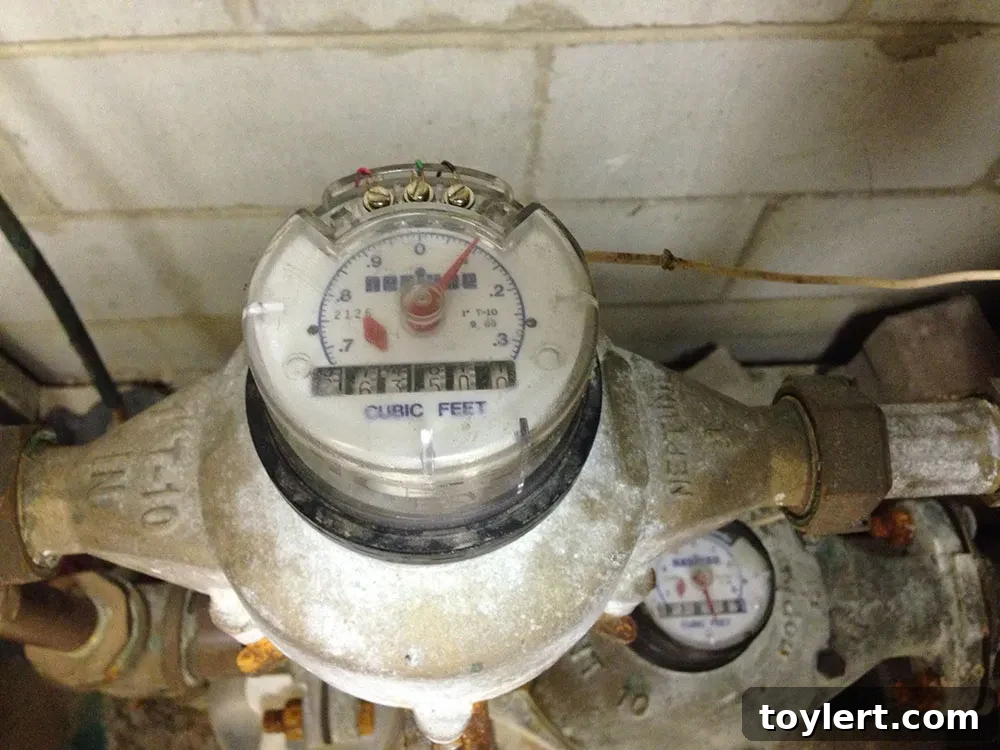
Metered billing, in contrast to flat rates, charges properties based on their actual water consumption as measured by a water meter. This system is the prevailing standard in most modern cities and has become increasingly mandatory in NYC over the past few decades. The NYC DEP initiated a comprehensive water meter installation program, known as the Universal Metering Program (UMP), to install meters in virtually all unmetered properties across the five boroughs. This initiative aimed to promote fairness, encourage water conservation, and provide property owners with greater control over their water expenses.
Pros of Metered Billing:
- Fairer Billing: Property owners and tenants pay for precisely what they use. This transparency fosters a sense of fairness and accountability, especially when costs are allocated among tenants.
- Incentive for Conservation: Knowing that usage directly impacts the bill strongly motivates individuals to conserve water. This can lead to adopting water-saving habits and installing efficient fixtures.
- Potential Cost Savings: For buildings that manage their water usage effectively, metered billing almost invariably leads to lower water bills compared to an arbitrarily high flat rate.
- Leak Detection and Management: A water meter provides invaluable data. By monitoring meter readings, property owners can quickly detect abnormal spikes in usage, which often signal a leak. Early detection prevents significant water waste and costly property damage.
- Environmental Benefits: Reduced water consumption contributes to the sustainability of NYC’s water supply and reduces the energy required for water treatment and distribution.
Cons of Metered Billing:
- Installation Costs: While the DEP often covers the initial installation of the meter itself as part of the UMP, property owners might incur costs related to internal plumbing adjustments to accommodate the meter or to fix issues preventing installation.
- Fluctuating Costs: Unlike flat rates, metered bills can fluctuate based on seasonal usage, tenant behavior, or unforeseen issues like leaks. This requires more dynamic budgeting.
- Maintenance and Repair: Although the DEP maintains the meter itself, landlords are responsible for any internal plumbing issues that affect meter functionality or reading accuracy.
- Potentially Higher Bills for Inefficient Buildings: Buildings with old, inefficient fixtures, or tenants with extremely high water usage habits, might face substantially higher bills under a metered system if no conservation efforts are made.
The Mandate: Why Most NYC Buildings Are Now Metered
The Universal Metering Program (UMP) fundamentally changed how water is billed in NYC. Launched in the late 1980s, the UMP systematically installed water meters in hundreds of thousands of previously unmetered properties. Today, it is a rare exception for a property to remain on a flat rate. Most multi-unit buildings, including an eight-unit property, are now required to have a water meter. If an eight-unit building owner is still contemplating a flat rate, it’s crucial to verify if their building falls into one of the very few remaining unmetered categories or if they are simply unaware of the mandate. The DEP strongly encourages and, in most cases, requires properties to be metered for equity and conservation reasons.
Specific Considerations for an Eight-Unit Building
An eight-unit building presents unique challenges and opportunities regarding water billing. For such a property, the decision to maintain a flat rate (if still possible) or embrace a metered system has significant implications:
- Tenant Pass-Through: If a building is metered, a landlord has options for how to manage these costs. Some landlords include water costs in the rent. Others explore sub-metering, where individual units are metered, and tenants are billed based on their specific usage. While sub-metering requires additional investment in installation and administrative overhead, it provides the ultimate incentive for individual tenant conservation and ensures maximum fairness. However, NYC regulations regarding sub-metering and passing utility costs to tenants are complex and require careful adherence.
- Water Conservation Strategies: With eight units, the cumulative water usage can be substantial. Landlords can implement various strategies to reduce consumption:
- Low-Flow Fixtures: Installing low-flow showerheads, toilets, and aerators in faucets throughout the building can drastically reduce overall water usage.
- Leak Detection Program: Regular inspections for leaky faucets, running toilets, and pipe leaks are essential. Even a small drip can waste hundreds of gallons per month. Education for tenants on reporting leaks promptly is also critical.
- Tenant Education: Informing tenants about the importance of water conservation and providing tips can make a significant difference.
- Older Infrastructure: Many eight-unit buildings in NYC are older, which means their plumbing infrastructure might be outdated and prone to leaks. A metered system would immediately highlight such inefficiencies, prompting necessary upgrades and repairs.
Making the Informed Decision: Metered is Almost Always Better
Given the current landscape of NYC water billing, particularly the DEP’s universal metering policy, the debate between metered and flat rate for most property owners, including an eight-unit building, is largely settled in favor of metered billing. If a property owner like Shamrock is still debating, it likely means their building is one of the rare exceptions still on a flat rate, or they are considering the benefits of installing a meter where one might be voluntary or overlooked.
For buildings that are still on a flat rate, making the switch to metered billing is highly recommended. The benefits far outweigh the initial hurdles:
- Financial Control: Gain precise control over water expenses and identify areas for savings.
- Fairness and Transparency: Promote equitable billing for tenants, enhancing landlord-tenant relations.
- Environmental Responsibility: Contribute to NYC’s sustainability efforts by encouraging water conservation.
- Early Leak Detection: Protect your property from costly water damage by identifying leaks promptly.
- Compliance: Align your property with modern utility billing standards and DEP mandates.
To initiate the switch, property owners should contact the NYC DEP directly. They can provide guidance on the meter installation process, potential costs, and any required plumbing modifications. It’s also advisable to consult with a licensed plumber to assess the building’s internal plumbing and ensure it’s ready for metering.
Conclusion
The decision between a flat rate and a metered rate for water billing in New York City, particularly for an eight-unit building, is increasingly a choice for metered service. While flat rates once offered predictable costs, they lack the transparency, fairness, and crucial conservation incentives that metered billing provides. In today’s environment, where sustainability and efficient resource management are paramount, metered billing empowers property owners to monitor usage, detect leaks, and encourage responsible water consumption among tenants. For properties like the one our reader Shamrock owns, embracing metered billing is not just a regulatory compliance matter; it’s a strategic move towards more equitable cost management, significant long-term savings, and a greener, more sustainable future for their building and the city.