Brooklyn’s Dynamic Canvas: Craft Brewers Navigate Future While Sunset Park Transforms into a Hospitality Hub
Brooklyn, a borough renowned for its vibrant culture, artistic innovation, and distinct neighborhoods, continues to be a crucible of change and evolution. From its historic brownstones to its industrial waterfronts, Brooklyn constantly reinvents itself, adapting to new economic realities and cultural shifts. This dynamic spirit is currently on full display as the borough grapples with contrasting narratives: the growing anxieties among its cherished craft brewing community and the remarkable transformation of Sunset Park into a burgeoning hub for the hospitality industry. These two trends, seemingly disparate, collectively paint a vivid picture of Brooklyn’s ongoing economic and social landscape, reflecting both the challenges faced by established local businesses and the rapid development driving new opportunities.
The Brewing Storm: An Uncertain Future for Brooklyn’s Craft Brewers
For over two decades, Brooklyn has been synonymous with the craft beer revolution. What started as a grassroots movement, with passionate brewers experimenting in garages and repurposed industrial spaces, blossomed into a thriving industry. Breweries like Brooklyn Brewery, Threes Brewing, and Other Half Brewing Co. became household names, drawing locals and tourists alike to taprooms that served as community gathering spots. The unique character of Brooklyn’s neighborhoods often infused the brewing culture, creating a diverse and competitive scene that mirrored the borough’s own eclectic identity. However, this once-booming industry is now facing a myriad of challenges that have many brewers concerned about their long-term viability.
One of the most pressing issues is the escalating cost of operations. Inflation has driven up prices for essential ingredients like malt, hops, and yeast, while supply chain disruptions continue to complicate procurement. Energy costs, rent, and labor expenses in New York City are already notoriously high, placing immense pressure on breweries that operate on tight margins. Many smaller brewers, who often rely on direct-to-consumer sales from their taprooms, find it increasingly difficult to compete with larger, more established brands or with the influx of national craft breweries entering the market.
Beyond economic factors, changing consumer preferences also pose a significant threat. While craft beer remains popular, there’s a growing diversification in the beverage market. Hard seltzers, ready-to-drink cocktails, and a burgeoning interest in non-alcoholic options are siphoning market share. Brewers are forced to innovate, not just with new beer styles but also by expanding their offerings to include these alternative beverages, requiring new equipment and expertise. Regulatory hurdles and a complex licensing system further add to the operational burden, making it challenging for small businesses to scale or even maintain their current operations without significant financial investment.
The post-pandemic landscape has also reshaped consumer habits. While taprooms have largely reopened, the foot traffic and event bookings that once sustained many breweries have not fully recovered to pre-2020 levels. This forces brewers to re-evaluate their business models, focusing on efficiency, community engagement, and creative marketing strategies to attract and retain customers in an increasingly competitive environment. The collective worry among Brooklyn’s craft brewers highlights a critical juncture for an industry that has become an integral part of the borough’s modern cultural fabric, demanding adaptability and resilience to navigate these turbulent waters.
Sunset Park: Brooklyn’s Emerging Hotel Mecca
In stark contrast to the concerns facing the brewing industry, the neighborhood of Sunset Park is experiencing a dramatic renaissance, rapidly solidifying its reputation as Brooklyn’s newest destination for hospitality. Historically an industrial and working-class enclave known for its stunning waterfront views of the Manhattan skyline and the Statue of Liberty, Sunset Park is now attracting significant investment in hotel development, transforming its landscape and economic outlook.
The reasons behind Sunset Park’s emergence as a hotel hotspot are multi-faceted. Its strategic location offers unparalleled access to Manhattan via multiple subway lines, yet it provides a distinct, authentic Brooklyn experience at a more competitive price point than more established tourist areas like Williamsburg or Downtown Brooklyn. The neighborhood’s rich cultural tapestry, vibrant community, and thriving local businesses, particularly along 5th Avenue with its diverse array of shops and restaurants, offer visitors an immersive experience beyond typical tourist traps.
A key driver of this transformation has been the redevelopment of its vast industrial waterfront, particularly areas like Industry City. What were once sprawling factory complexes are now vibrant mixed-use spaces housing creative businesses, tech companies, retail outlets, and, increasingly, hotels. This repurposing of industrial real estate provides ample space for large-scale development, something scarce in more densely populated parts of Brooklyn. Developers are capitalizing on the picturesque views and the area’s unique architectural character, often incorporating industrial chic designs into their new hotel projects.
New hotels in Sunset Park range from boutique establishments catering to design-conscious travelers to larger, full-service hotels aimed at business travelers and families. These developments are not only creating new jobs for local residents but also bringing increased tourism revenue to the neighborhood, supporting local shops, restaurants, and cultural institutions. However, this rapid growth also brings challenges, including concerns about gentrification, rising property values, and the need for adequate infrastructure to support the influx of visitors and new residents. Balancing economic development with community preservation remains a critical task for local planners and residents.
The rise of Sunset Park as a hotel Mecca signifies a broader shift in Brooklyn’s tourism landscape. As visitors seek more authentic, less conventional experiences away from the traditionally crowded areas, neighborhoods like Sunset Park offer an enticing alternative. Its transformation underscores Brooklyn’s continuous appeal as a global destination, proving that even its once overlooked industrial zones can be reimagined as vibrant centers of commerce and culture, ready to welcome the world.
Grand Army Plaza: A Timeless Nexus Amidst Change
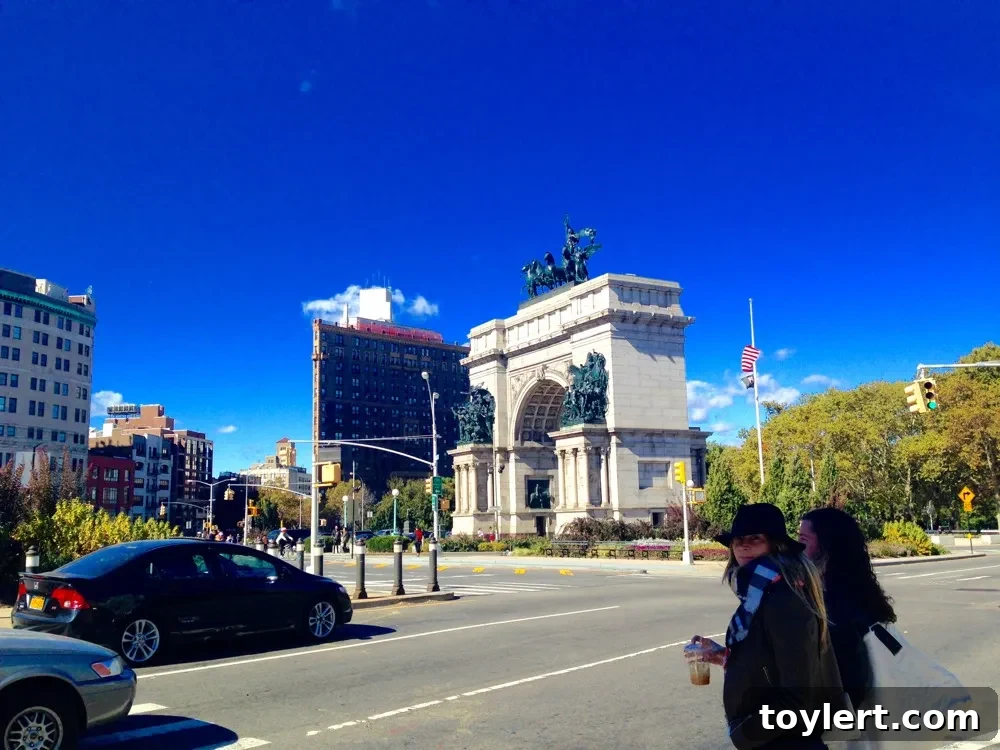
Amidst these evolving narratives of economic challenge and burgeoning development, Grand Army Plaza stands as an enduring symbol of Brooklyn’s permanence and continuous evolution. This iconic landmark, with its majestic Soldiers’ and Sailors’ Arch, the Bailey Fountain, and its role as the entrance to Prospect Park, serves as a grand gateway to many of Brooklyn’s most cherished neighborhoods. It is a place where history resonates with the present, where commuters rush past monuments and families gather for leisurely strolls.
Grand Army Plaza, much like Brooklyn itself, is a nexus where different facets of the borough converge. It represents the borough’s historical grandeur while also being a witness to its modern dynamism. As Brooklyn’s craft brewers navigate an uncertain future and Sunset Park embraces its new identity as a hospitality hotspot, Grand Army Plaza remains a constant – a beautiful, bustling reminder of the borough’s resilience, diversity, and enduring appeal. It metaphorically connects the anxieties of established businesses with the excitement of new growth, symbolizing a borough that is always in motion, always adapting, yet always rooted in its unique identity.
Brooklyn’s story is one of constant flux and vibrant contrasts. The challenges facing its beloved craft breweries and the rise of Sunset Park as a hotel destination are two sides of the same coin, reflecting a borough that is relentlessly reinventing itself while striving to preserve its soul. These developments underscore the intricate balance between tradition and progress, shaping the next chapter in the ongoing narrative of one of the world’s most fascinating urban landscapes.