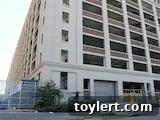
The urban landscape of Brooklyn is perpetually in flux, a testament to its vibrant communities and dynamic economic evolution. Among its many transformative narratives, the redevelopment of Federal Building No. 2 in Sunset Park stands out as a pivotal moment, signaling a potential game-changer for the entire neighborhood. Located strategically on 3rd Avenue, this colossal 1.1-million-square-foot edifice, once a bastion of federal operations, is now poised to embrace a multifaceted future, anchored by the significant arrival of big-box retail, an initiative that promises to reshape local commerce and community access.
Sunset Park, a historic and culturally rich enclave of Brooklyn, has long been celebrated for its stunning waterfront views, diverse population, and a strong sense of community spirit. Characterized by its beautiful brownstones, thriving local businesses, and a palpable blend of old-world charm with new-age innovation, the neighborhood has been undergoing a significant period of revitalization. From the industrial behemoth of Industry City to the burgeoning arts and culinary scenes, Sunset Park is steadily attracting attention as a prime location for development and growth. It’s within this context of thoughtful urban renewal that the plans for Federal Building No. 2 take on even greater significance, offering both exciting opportunities and the potential for considerable public discourse.
The sheer scale of Federal Building No. 2 cannot be overstated. With 1.1 million square feet under its roof, it represents an immense canvas for redevelopment. Its acquisition in August 2011 by Salmar Properties LLC for a reported $10 million from the city marked the beginning of a new chapter for this imposing structure. Salmar Properties, known for its strategic investments in urban real estate, quickly outlined an ambitious vision for the building’s future, committing a substantial $35 million towards essential repairs and structural enhancements. This significant investment underscores a dedication not just to renovation, but to a comprehensive revitalization effort aimed at transforming a formerly underutilized federal asset into a vibrant hub for the 21st century.
A cornerstone of Salmar’s transformative plan involves allocating a substantial 180,000 square feet of the building to retail use. This move, however, necessitates navigating existing urban planning regulations. To realize their vision, Salmar Properties LLC formally approached Community Board 7, a vital local governance body, to request a variance. This variance sought to waive the conventional space restrictions on retail use within the building, a crucial step towards accommodating the large-format stores typically associated with “big box” retailers. The strategic intent behind this request highlights the developer’s commitment to bringing significant commercial offerings to the heart of Sunset Park.
The interest garnered from prominent national retailers further solidifies the project’s commercial viability and potential impact. Brands like Bed Bath & Beyond, a household name for home goods; Burlington Coat Factory, renowned for its diverse apparel and accessories; and Micro Center, a specialist in electronics and computer components, have all reportedly expressed keen interest in establishing a presence within the redeveloped building. The arrival of such established retailers could usher in a new era of convenience for Sunset Park residents, providing unparalleled access to goods and services that might currently require travel outside the immediate neighborhood. This influx of national chains is projected to not only diversify the local shopping landscape but also stimulate economic activity through job creation and increased consumer spending within the area.
Beyond the retail component, the redevelopment plan for Federal Building No. 2 embraces a strikingly innovative and environmentally conscious initiative: the establishment of the world’s largest rooftop farm by BrightFarms. This pioneering project exemplifies a commitment to sustainable urban development, integrating green technology with commercial enterprise. The rooftop farm, slated for completion by early 2013, promises to be a marvel of modern agriculture, utilizing hydroponic systems to grow fresh produce locally. This sustainable approach will not only provide healthy, farm-fresh food to the community but also serve as an educational beacon and contribute positively to the building’s ecological footprint. It’s a powerful statement about how large-scale urban development can harmoniously coexist with environmental stewardship and community well-being.
The timeline for these ambitious projects has been carefully mapped out. While the groundbreaking rooftop farm was anticipated to be operational by early 2013, the extensive retail space, after meticulous planning and construction, was projected to be ready to welcome shoppers by the summer of 2013. These parallel timelines underscored the rapid pace and comprehensive nature of the redevelopment, aiming to swiftly integrate these new amenities into the fabric of the Sunset Park community. Such a rapid transformation underscores the developer’s confidence in the area’s growth potential and the pressing demand for both modern retail solutions and sustainable urban initiatives.
However, projects of this magnitude, particularly those involving significant changes to a neighborhood’s commercial landscape, often invite thorough scrutiny and discussion from the local community. The variance request presented to Community Board 7 would undoubtedly have sparked considerable debate among residents, local business owners, and community leaders. Key considerations would likely have revolved around issues such as traffic congestion, the potential impact on existing small businesses, parking availability, and the preservation of Sunset Park’s unique character. While the original report from DNAinfo highlighted the anticipation of the outcome, the process of community engagement is vital for ensuring that development serves the best interests of all stakeholders. The question, “does anyone know how the variance request played out?” reflects the keen interest and vital role of public input in shaping such large-scale urban transformations.
The broader implications of this development for Sunset Park are far-reaching. The revitalization of Federal Building No. 2, alongside other major projects like the ongoing transformation of Industry City into a bustling innovation and manufacturing hub, positions Sunset Park at the forefront of Brooklyn’s economic renaissance. These developments are collectively contributing to the neighborhood’s evolution from a historically industrial area into a dynamic mixed-use district that offers diverse employment opportunities, residential appeal, and a vibrant cultural scene. The blend of major retail, advanced manufacturing, sustainable agriculture, and community-focused enterprises sets a compelling precedent for future urban planning and development, demonstrating how thoughtful integration can lead to holistic growth.
In conclusion, the prospective transformation of Federal Building No. 2 into a vibrant commercial and sustainable hub represents a significant milestone for Sunset Park. It is a testament to visionary development that seeks to marry economic growth with environmental responsibility and community needs. The strategic introduction of major retailers, coupled with the pioneering rooftop farm, not only addresses contemporary consumer demands but also champions a forward-thinking approach to urban living. As Sunset Park continues its impressive trajectory of growth and renewal, projects like these will undoubtedly play a crucial role in defining its future, reinforcing its status as one of Brooklyn’s most exciting and evolving neighborhoods.
This article draws information from reports by DNAinfo, specifically their piece “Big-Box Retailers Eyeing Sunset Park.” Photo credit: DNAinfo/Alan Neuhause.