Unexpected Fire Inspection: A Comprehensive Guide for Multi-Family Homeowners
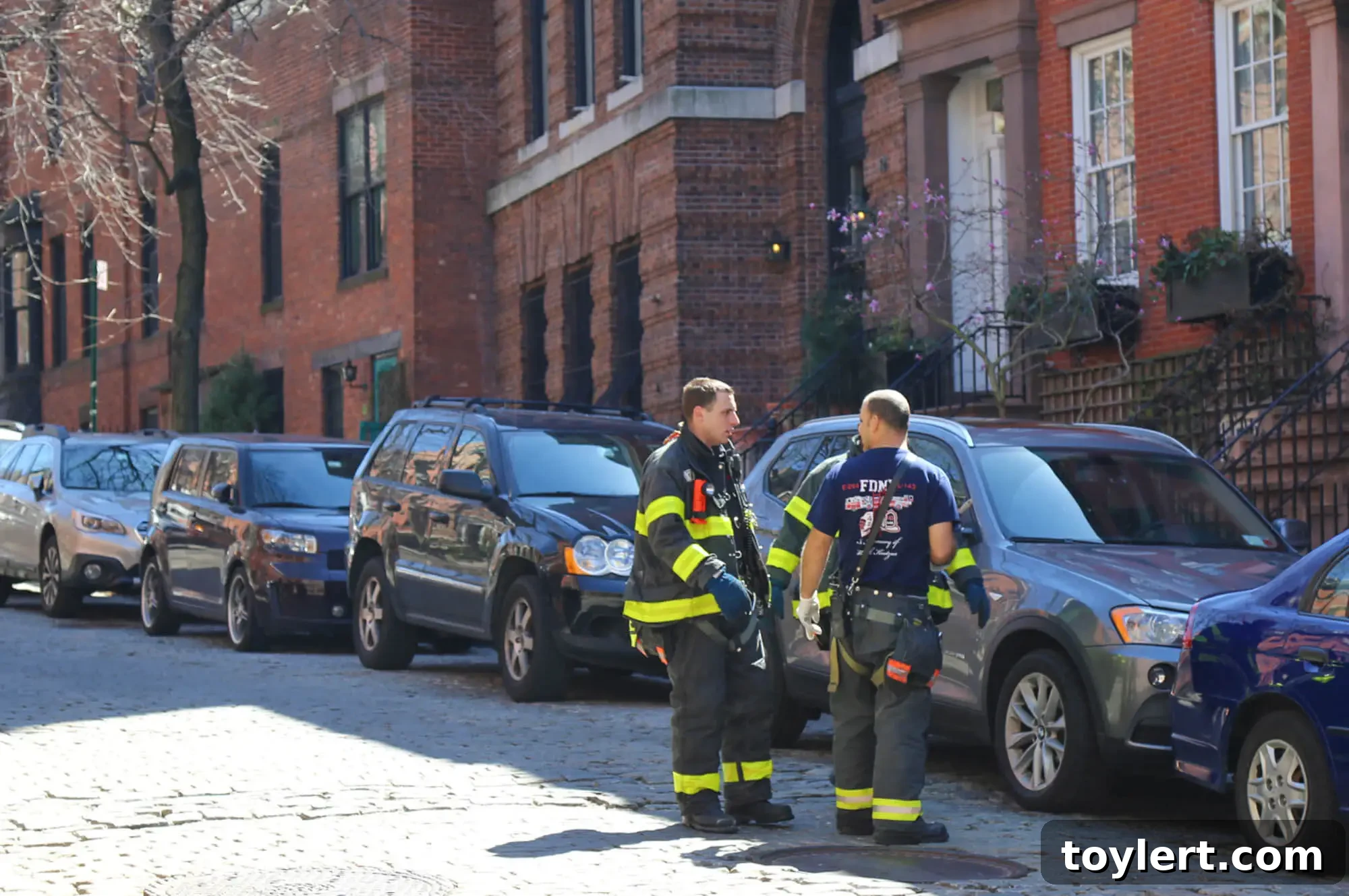
Imagine the unsettling scenario: firemen unexpectedly show up at your multi-family property for an inspection, only to be denied access by tenants unfamiliar with the process. This situation, while surprising, immediately brings to light critical questions for any property owner. What might have triggered such an unannounced visit? What are your legal and ethical responsibilities, particularly when tenants are involved? And, most crucially, what vital egress and safety issues must you proactively address before the fire department’s inevitable return?
Navigating an unexpected fire inspection can indeed feel daunting. However, understanding the underlying reasons, knowing your responsibilities, and meticulously preparing your property can transform a potentially stressful event into a valuable opportunity to significantly enhance the safety and compliance of your building. This extensive guide is designed to empower multi-family homeowners with the essential knowledge and actionable strategies needed to confidently manage a fire inspection, ensuring the well-being of all residents and safeguarding your valuable investment.
Understanding the Dynamics of Fire Inspections
Why Do Fire Inspections Occur? Unraveling the Triggers
Fire inspections are a cornerstone of public safety, meticulously designed to identify, assess, and mitigate potential fire hazards within residential and commercial structures. For multi-family dwellings, these inspections are often more frequent and stringent due to the heightened risks associated with multiple occupants living in close proximity. Several factors can instigate an inspection:
- Routine Scheduled Checks: Many municipal fire departments, particularly in densely populated urban centers, maintain a cyclical inspection schedule for multi-family properties. This proactive approach ensures ongoing adherence to the latest fire safety codes and standards.
- Tenant or Neighbor Complaints: A common trigger for unexpected inspections arises from complaints. These can range from concerns about obstructed exits, excessive clutter in common areas, non-functional smoke detectors, to suspicions of illegal property modifications or the presence of hazardous materials.
- Building Permit or Renovation Activity: If you have recently undertaken significant renovations, construction work, or applied for a new occupancy permit, a fire inspection is typically a mandatory step to verify that all new work complies with current safety regulations.
- Previous Incidents: Any prior fire or emergency call at your property, regardless of its severity, can place your building on a priority list for future inspections, indicating a need for closer monitoring.
- Change in Ownership or Occupancy Classification: Sometimes, a change in property ownership or a modification in the building’s designated use (e.g., converting a commercial space into residential units) can necessitate a thorough fire inspection.
Regardless of the specific catalyst, the fundamental objective remains constant: to protect lives, property, and community resources by rigorously enforcing fire prevention and safety codes.
The Multi-Family Homeowner’s Pivotal Role and Responsibilities
As the steward of a multi-family property, you carry significant legal, financial, and ethical responsibilities for the safety and security of your tenants and the structural integrity of your building. This accountability extends far beyond merely possessing adequate insurance; it demands active maintenance, vigilant oversight, and unwavering adherence to local, state, and national fire codes.
Navigating Tenant Access During Inspections
The situation where tenants deny access to inspectors presents a unique challenge. While tenants are afforded a right to privacy, landlords typically possess a legal right to enter the premises for essential purposes such as inspections, maintenance, and repairs. This right is contingent upon providing proper notice, which usually ranges from 24 to 48 hours, depending on local tenant-landlord laws. In the context of a mandatory fire inspection, facilitating access often becomes a non-negotiable obligation for the homeowner.
If tenants refuse entry despite proper notice, it may become necessary to consult local housing authorities, review tenant-landlord statutes, or even seek legal counsel to ensure compliance with the fire department’s directives. Clear, empathetic communication with your tenants about the inspection’s mandatory nature, its safety benefits, and the legal implications of non-cooperation is paramount for fostering understanding and securing their cooperation.
Key Legal and Ethical Obligations
- Strict Code Compliance: You are legally bound to ensure your property not only meets but consistently maintains all current fire safety codes. This includes, but is not limited to, regulations concerning egress, functioning smoke and carbon monoxide (CO) detection, sound electrical systems, and safe heating units.
- Proactive Maintenance: Regular and systematic maintenance of all fire safety equipment, such as monthly testing of smoke alarms and annual servicing of furnaces and boilers, is not merely a best practice; it is frequently a legal requirement with serious consequences for neglect.
- Tenant Safety Education: While not always a direct legal mandate, proactively educating your tenants on crucial fire safety practices – such as keeping exits clear, understanding escape routes, and the importance of reporting hazards – can dramatically enhance overall property safety and reduce risks for everyone.
Critical Egress and Safety Issues to Prioritize
Prior to the fire department’s return, conducting an exhaustive self-assessment of your entire property is an absolute necessity. Concentrate your efforts on these key areas, as they are consistently the primary focus during official fire inspections:
Egress Pathways: Ensuring Unhindered Escape Routes
The integrity of egress, or the means of exit, is arguably the most critical component of any fire inspection. In an emergency, every fleeting second can be pivotal, and clear, functional escape routes are often the decisive factor between life and death.
- Unobstructed Exits: Verify that all doors leading to the exterior are completely free of clutter, personal belongings, furniture, or any other impediments. This rule applies rigorously to common areas, hallways, stairwells, and the immediate outdoor pathways leading away from the building.
- Operational Doors and Windows: All exit doors must be capable of opening easily and immediately from the inside without requiring a key or special knowledge. Ensure they are not painted shut, jammed, or otherwise rendered inoperable. Windows designated for emergency escape, particularly in basement units or attic apartments, must open effortlessly and be clear of internal and external obstructions. Confirm that all locking mechanisms on these windows do not impede rapid emergency egress.
- Proper Door Hardware: Exit doors, especially in multi-family residences, often require specific, fire-code-approved hardware (e.g., panic bars or single-action locking mechanisms) to facilitate quick and universal egress during an emergency.
- Fire Escapes (Where Applicable): If your building is equipped with fire escapes, they must be rigorously inspected for structural soundness, free from corrosion or rust, and completely clear of any stored items, plants, or debris. Access to fire escapes from within individual units must also remain unobstructed and functional.
- Maintained Pathways: All interior hallways, corridors, and staircases leading to exits must strictly maintain their minimum width requirements and must never be used as storage areas, even temporarily.
Fire Detection and Suppression Systems: Your Essential First Line of Defense
These crucial systems provide early warning and immediate action capabilities, significantly elevating survival rates and minimizing property damage.
- Smoke Detectors:
- Strategic Placement: Ensure detectors are correctly installed on every level of the home, including basements and habitable attics, inside each separate sleeping area, and immediately outside each separate sleeping area.
- Functionality and Maintenance: Test all smoke detectors monthly by pressing the test button. Replace alkaline batteries annually, or ensure that 10-year sealed units are within their operational lifespan.
- Interconnected Systems: In many jurisdictions and for multi-family units, smoke detectors are legally required to be interconnected, meaning if one alarm activates, all alarms throughout the building will sound simultaneously.
- Age and Replacement: Smoke detectors typically have a service life of approximately 10 years. Verify manufacturing dates and replace any units nearing or exceeding this age.
- Carbon Monoxide (CO) Detectors: These are mandated on every level containing sleeping areas, especially if your property utilizes fuel-burning appliances (furnaces, water heaters, gas stoves) or has an attached garage. Test these detectors regularly according to manufacturer guidelines.
- Fire Extinguishers: While not universally mandated for individual units in multi-family homes, strategically placing readily accessible and properly charged ABC-rated fire extinguishers in common areas, utility rooms, and near kitchens is highly recommended. Ensure they undergo annual inspection and servicing by a qualified professional.
- Sprinkler Systems (If Present): If your building is equipped with an automatic fire sprinkler system, it is imperative that it is regularly inspected, tested, and maintained by a certified fire protection professional according to code requirements.
Electrical Safety: Preventing Overload and Arcing Hazards
Faulty or improperly maintained electrical systems remain a leading cause of residential fires. Vigilance in this area is critical.
- Overloaded Circuits: Actively inspect for tell-tale signs of overloaded circuits, such as an excessive proliferation of extension cords or multi-plug adapters, particularly in areas with high electrical demand. Tenants should be thoroughly educated on safe electrical practices and the dangers of overloading.
- Damaged Wiring and Outlets: Visually inspect for frayed cords, cracked or exposed insulation, and outlets that feel unusually warm to the touch, emit a burning smell, or show discoloration. These are urgent red flags demanding immediate professional electrical intervention.
- Proper Extension Cord Use: Emphasize that extension cords are designed for temporary use only. They should never be run under rugs, through doorways, stapled, or used as a permanent substitute for fixed wiring.
- GFCI/AFCI Protection: Verify that Ground Fault Circuit Interrupters (GFCIs) are correctly installed in all damp or wet locations such as bathrooms, kitchens, laundry rooms, and outdoor areas. Similarly, ensure Arc Fault Circuit Interrupters (AFCIs) are present in bedrooms and other designated areas, adhering to current building codes.
Heating Systems and Appliances: Addressing a Silent Threat
Furnaces, water heaters, fireplaces, and other heating appliances can pose significant fire risks if neglected or improperly maintained.
- Annual Professional Servicing: Ensure all heating systems, including furnaces, boilers, and water heaters, are professionally inspected and serviced annually. This not only guarantees efficient operation but also identifies potential hazards like carbon monoxide leaks, worn-out components, or overheating.
- Clearance from Combustibles: Maintain strict clearance distances around all heating appliances, space heaters, and vents. Absolutely no storage of flammable materials, clothing, or paper products should be permitted in these areas.
- Proper Venting: Regularly check that all vents and flues are securely connected, free of blockages, and properly directing exhaust gases outdoors.
- Space Heater Safety: If tenants utilize portable space heaters, ensure they are certified by a reputable safety organization (e.g., UL listed), placed on a hard, non-combustible surface, and kept at least three feet away from anything that can burn. Never leave them unattended.
General Housekeeping and Management of Fire Hazards
Good housekeeping is often the simplest yet most effective fire prevention strategy.
- Flammable Materials Storage: All paints, solvents, cleaning agents, propane tanks, and other flammable liquids must be stored properly in approved containers and in designated, well-ventilated locations, safely away from any heat sources.
- Clutter and Hoarding: Address and mitigate excessive clutter, particularly in common hallways, stairwells, utility rooms, or near exits. Accumulations of combustible materials can rapidly fuel a fire and severely impede emergency egress.
- Outdoor Hazards: Keep the exterior perimeter of the building meticulously clear of dry leaves, discarded furniture, combustible debris, and overgrown vegetation, especially near windows, doors, and building utility entrances.
- Grills and Barbecues: Educate tenants on the safe use of outdoor grills and barbecues, ensuring they are operated at a safe distance from the building, balconies, and any combustible materials, in strict adherence to local regulations.
Preparing for the Return Visit: Your Step-by-Step Action Plan
Given the initial complication of tenant non-cooperation, your preparation for the fire department’s return visit must be exceptionally thorough, strategic, and proactive.
1. Establish Clear Communication Channels with Tenants
This step is paramount. Deliver a formal, written notice to all tenants regarding the fire department’s planned return visit. Clearly explain the mandatory nature of the inspection, its importance for everyone’s safety, and the absolute necessity of their full cooperation. Proactively address any privacy concerns by detailing how the inspection will be conducted and its limited scope to safety-related issues. Emphasize that the inspection is for their collective safety and building compliance, not an intrusive invasion of privacy. Consider offering a specific time window or even your presence during the inspection to facilitate trust and access.
2. Conduct a Thorough and Documented Self-Inspection
Utilize the comprehensive checklist provided above to systematically inspect every single unit and all common areas of your property. Be meticulous and leave no stone unturned. Document your findings thoroughly, ideally with photographs, to record both compliant conditions and areas needing improvement.
3. Immediately Rectify All Identified Issues
Time is of the essence. Do not delay. Promptly replace any non-functional smoke detectors, clear all obstructed pathways, repair faulty wiring components, and ensure all egress points are fully operational and accessible. Prioritize any issues that pose an immediate and direct threat to life safety.
4. Gather All Relevant Documentation
Compile and organize all pertinent records. This should include recent maintenance logs for heating systems, fire extinguisher inspection reports, sprinkler system certifications (if applicable), and any previous fire inspection reports or compliance certificates. Having these documents readily available demonstrates your commitment to safety and proactive management.
5. Deepen Your Understanding of Local Codes and Ordinances
Familiarize yourself intimately with the specific fire codes, building codes, and safety ordinances that are applicable to multi-family dwellings in your municipality. Knowledge is power; being well-versed in these regulations will enable you to confidently discuss compliance issues with the inspectors and demonstrate your proactive approach.
What to Expect During the Inspection and Beyond
When the fire department ultimately returns, they will conduct a meticulous walk-through of all accessible areas of the property. This typically includes individual tenant units (provided access is granted), common hallways, stairwells, utility rooms, basements, attics, and the exterior premises. Their objective is to identify any violations of fire codes, existing safety hazards, and to verify the proper functionality of all fire safety equipment.
- Identification of Violations: If any violations are discovered, the inspectors will issue a formal notice of violation. This document will typically include specific code references, a detailed description of the deficiency, and a clear timeframe within which the issue must be rectified.
- Follow-Up Inspections: For significant or serious violations, a mandatory follow-up inspection will almost certainly be scheduled to ensure that all required corrective actions have been fully implemented.
- Consequences of Non-Compliance: Failure to address identified violations within the stipulated timeframe can lead to severe repercussions, including substantial fines, legal action, escalated penalties, and in extreme cases, even the condemnation or evacuation of the property. Non-compliance also significantly increases the homeowner’s liability exposure in the event of a fire or related incident.
Proactive Fire Safety: A Commitment Beyond the Inspection
A fire inspection, whether anticipated or unexpected, should not be viewed as a standalone event but rather as a powerful catalyst for cultivating an ongoing culture of vigilance and safety. Implementing consistent proactive measures ensures continuous safety for your residents and enduring peace of mind for you as the property owner:
- Regular Self-Audits: Establish a routine schedule, perhaps quarterly or bi-annually, for conducting internal safety checks of your entire property. Treat these as mini-inspections to catch potential issues early.
- Tenant Safety Education Programs: Regularly provide tenants with clear, concise fire safety literature. Outline emergency escape routes for the building, clearly mark assembly points, and consistently emphasize the critical importance of functional smoke alarms and maintaining clear exits.
- Develop a Comprehensive Emergency Plan: Create, document, and clearly communicate an emergency evacuation plan for the entire building. Ensure all tenants are aware of this plan and their role within it.
- Professional Safety Consultations: For larger multi-family properties or those with complex systems, consider engaging a qualified fire safety consultant for an annual, independent safety audit. Their expert perspective can uncover latent risks.
Conclusion: Prioritizing Safety for Enduring Peace of Mind
An unexpected fire inspection, particularly one complicated by initial tenant non-cooperation, serves as a profound and urgent reminder of a multi-family homeowner’s significant responsibility. While initially unsettling, this situation presents a critical opportunity to not only meet compliance requirements but to fundamentally reinforce your property’s safety infrastructure. By diligently addressing all egress challenges, ensuring the meticulous maintenance of robust fire detection and suppression systems, upholding stringent electrical and heating safety standards, and fostering transparent, empathetic communication with your tenants, you transcend mere legal adherence. You actively cultivate a truly secure, resilient, and thriving living environment for all residents.
Ultimately, proactive preparation and an unwavering, ongoing commitment to fire safety extend far beyond simply passing an inspection. They are about safeguarding precious lives, vigilantly protecting your significant property investment, and securing an enduring sense of peace of mind. Embrace this challenge as an invaluable opportunity to elevate your property’s safety standards to the absolute highest possible level, creating a safer tomorrow for everyone involved.