Green Streets Bloom: Enhancing Gowanus and Carroll Gardens with Sustainable Infrastructure
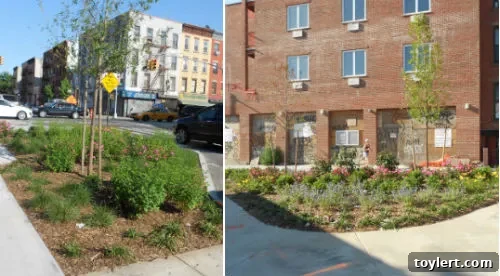
Just in time for the vibrant summer season, New York City’s Department of Transportation (DOT) has successfully completed the installation of two innovative “green streets” within the thriving Brooklyn neighborhoods of Gowanus and Carroll Gardens. These significant enhancements mark a crucial step forward in sustainable urban development, offering both aesthetic beauty and vital environmental benefits to local residents and visitors alike. More than just visually appealing additions, these green streets are integral components of the broader Downtown Brooklyn Traffic Calming project, designed to create safer, more pedestrian-friendly environments while simultaneously addressing critical ecological concerns.
The initiative, which has been widely anticipated and positively received, was brought to public attention through the detailed updates provided by the Community Board Six newsletter. The first of these newly unveiled green oases is strategically located at the intersection of Union Street and 3rd Avenue, serving as a prominent feature in the Gowanus landscape. The second installation can be found at the complex intersection of Hamilton Avenue, Henry Street, and Luquer Street, enriching the fabric of Carroll Gardens. Both locations have been meticulously planned and executed, transforming previously underutilized urban spaces into thriving examples of ecological engineering. While the DOT spearheaded the intricate installation process, the long-term vitality and care of these crucial urban gardens will be expertly managed and maintained by the dedicated professionals of the New York City Parks Department, ensuring their sustained beauty and functionality for years to come.
Unpacking the Concept of Green Streets: Beyond Just Plantings
The term “green street” encompasses far more than simply adding trees and shrubs to urban areas. It represents a holistic approach to urban planning, integrating natural infrastructure into the existing built environment to achieve multiple benefits. At its core, a green street is a sustainable street design that expertly manages stormwater runoff, improves air quality, enhances pedestrian and cyclist safety, and beautifies public spaces. These designs often incorporate innovative elements such as bioswales, rain gardens, permeable pavements, and specialized tree pits that work in concert to capture and filter rainwater, preventing it from overwhelming the city’s sewer system and polluting local waterways. This integrated approach redefines urban landscapes, making them not only more attractive but also more resilient and functional.
In densely populated areas like Brooklyn, where impervious surfaces dominate the landscape, stormwater management presents a paramount challenge. Traditional drainage systems often struggle to cope with heavy rainfall, leading to localized flooding and combined sewer overflows (CSOs) that discharge untreated wastewater directly into rivers and harbors. Green streets offer a sophisticated nature-based solution, mimicking natural hydrological processes by allowing water to infiltrate the ground, where it can be naturally filtered by soil and plant roots. This not only significantly alleviates pressure on conventional infrastructure but also actively recharges groundwater and supports urban biodiversity, collectively creating a healthier and more balanced urban ecosystem.
The Downtown Brooklyn Traffic Calming Project: A Vision for Safer Urban Mobility
The strategic installation of these green streets is a pivotal component of the larger Downtown Brooklyn Traffic Calming project, an ambitious initiative aimed at comprehensively enhancing safety and improving the overall quality of life across several key neighborhoods. Downtown Brooklyn and its vibrant surrounding areas, including Gowanus and Carroll Gardens, are dynamic urban centers characterized by bustling commercial activity, dense residential populations, and significant vehicular traffic. The rapid growth and increasing density in these areas have underscored the urgent need for comprehensive strategies to mitigate traffic hazards, reduce vehicle speeds, and prioritize the experience and safety of pedestrians and cyclists.
The Downtown Brooklyn Traffic Calming project is not solely focused on optimizing traffic flow; it’s a multidisciplinary endeavor that fundamentally re-envisions street design to foster a more balanced, livable, and human-centric urban environment. Its core objectives include creating safer crossings for all users, significantly reducing the incidence of traffic-related injuries and fatalities, improving accessibility for all modes of transportation, and seamlessly integrating green infrastructure to enhance environmental resilience. Green streets contribute immensely to traffic calming by subtly narrowing roadways, introducing visual friction through plantings, and encouraging drivers to instinctively reduce their speed, making the streets inherently safer and more welcoming for vulnerable road users. This holistic approach ensures that infrastructure improvements serve multiple critical community needs simultaneously, fostering a healthier urban fabric.
Spotlight on Locations: Union Street & 3rd Avenue and Hamilton Avenue/Henry Street/Luquer Street
The two newly completed green street installations are strategically situated to maximize their positive impact on their respective communities. The site at Union Street and 3rd Avenue, a vital artery in Gowanus, now features enhanced streetscapes that beautifully blend natural elements with essential urban functionality. This particular location, known for its rich industrial heritage and ongoing revitalization, benefits immensely from the thoughtful introduction of green infrastructure, which helps to soften the often-harsh urban hardscape and introduce much-needed ecological diversity. The innovative design here likely incorporates advanced bioswales and strategically placed planted areas that efficiently capture and filter runoff from both the street and sidewalk, making a tangible contribution to a cleaner and healthier Gowanus Canal watershed.
Further enhancing the connectivity, ecological health, and overall livability of Carroll Gardens, the green street at the complex intersection of Hamilton Avenue, Henry Street, and Luquer Street addresses a key traffic nexus. This multi-street intersection can often be challenging and confusing for pedestrians and motorists alike, presenting safety concerns. The thoughtful introduction of green elements here not only adeptly manages stormwater but also acts as a subtle yet effective visual cue for drivers, encouraging more cautious navigation and reduced speeds. By defining pedestrian zones with lush, vibrant plantings, these green streets naturally delineate space, making crossings clearer, more intuitive, and significantly safer, all while profoundly improving the overall aesthetic appeal of this charming Brooklyn neighborhood. These specific locations were chosen not only for their pressing environmental needs but also for their profound potential to significantly impact community safety, enjoyment, and long-term sustainability.
The Environmental Imperative: Beyond Stormwater Management
One of the foremost drivers behind the ambitious green streets initiative is the critical and urgent need for advanced stormwater management in a rapidly urbanizing environment. New York City, like many older urban centers globally, relies on a combined sewer system. During periods of heavy or prolonged rainfall, this system can become overwhelmingly inundated, leading directly to the discharge of raw sewage and untreated stormwater into local waterways. These combined sewer overflows (CSOs) are a significant environmental concern, as they severely degrade water quality, harm delicate aquatic ecosystems, and pose substantial public health risks. Green streets, through their intelligent and nature-inspired design, actively intercept rainfall precisely where it falls, absorbing it into specially engineered plant beds and permeable surfaces before it can ever enter the sewer system. This process significantly reduces the volume of stormwater runoff, thereby mitigating CSOs and making a monumental contribution to cleaner rivers and bays throughout the city.
Beyond their critical role in stormwater management, green streets play an increasingly crucial role in combating the pervasive urban heat island effect. Concrete and asphalt, the predominant materials in urban construction, are highly effective at absorbing and retaining solar heat, causing urban areas to become significantly warmer than surrounding rural landscapes. By strategically introducing diverse vegetation and substantially reducing impermeable surfaces, green streets actively help to cool the ambient air temperature through the natural process of evapotranspiration. The thoughtfully selected trees and plants provide essential shade, further reducing surface temperatures and dramatically improving pedestrian comfort, especially during scorching summer months. This holistic approach contributes to a more comfortable, resilient, and sustainable urban environment, reducing energy consumption associated with air conditioning and improving overall public health and well-being for all residents.
Enhancing Community Life: Aesthetics, Health, and Property Value Appreciation
The benefits emanating from green streets extend far beyond mere environmental engineering; they fundamentally and profoundly improve the overall quality of life for urban residents. Aesthetically, these new installations dramatically transform often drab, utilitarian streetscapes into vibrant, inviting, and visually stimulating public spaces. The thoughtful introduction of diverse plantings, ranging from resilient native shrubs to beautifully flowering perennials, creates compelling visual interest and actively connects residents with nature in their daily urban lives. This comprehensive “greening” of the urban environment has been consistently linked by numerous studies to improved mental well-being, significantly reduced stress levels, and an overall heightened sense of community pride and ownership among local populations.
Furthermore, green streets actively foster a more pedestrian-friendly and welcoming atmosphere. By effectively slowing vehicular traffic and creating visually appealing, naturally delineated pathways, they actively encourage walking and cycling, thereby promoting healthier and more active lifestyles within the community. The consistent presence of well-maintained and thriving green spaces has also been shown to correlate positively with increased property values, making neighborhoods more desirable and attractive places to live, work, and invest. For vibrant communities like Gowanus and Carroll Gardens, which proudly boast rich histories and strong community identities, these green street projects reinforce a resolute commitment to sustainable growth and enhance the unique, cherished character of each neighborhood, creating a lasting legacy of environmental stewardship and enhanced community well-being for generations to come.
A Collaborative Success: The NYC DOT and Parks Department Partnership
The undeniable success of these green street projects is a powerful testament to effective and seamless inter-agency collaboration within the complex administrative structure of New York City. The Department of Transportation (DOT) consistently takes the lead role in the meticulous design and innovative implementation of street infrastructure projects, bringing its unparalleled expertise in traffic engineering, urban planning, and intricate project management to the forefront. Their comprehensive role encompasses everything from initial site analysis and visionary design conceptualization to navigating the complex logistical challenges inherent in construction within a dense urban setting. The DOT rigorously ensures that the new green streets integrate seamlessly and efficiently with existing traffic patterns and broader urban systems, always prioritizing safety, efficiency, and long-term sustainability.
Once the physical installation phase is successfully completed, the crucial responsibility of ongoing maintenance and nurturing falls expertly to the New York City Parks Department. Renowned for its extensive experience and deep expertise in cultivating and caring for public green spaces across all five boroughs, the Parks Department ensures the long-term health, vitality, and aesthetic vibrancy of the plantings. This symbiotic partnership is absolutely vital: the DOT brilliantly creates the robust framework for sustainable infrastructure, and the Parks Department meticulously ensures its lasting ecological and aesthetic value. This collaborative model guarantees that these invaluable urban assets remain beautiful, functional, and profoundly beneficial to the community for generations to come, symbolizing a shared, enduring commitment to a greener, more resilient, and truly sustainable Brooklyn.
The Future of Urban Greening in Brooklyn and Beyond
These pioneering green street installations in Gowanus and Carroll Gardens are more than just isolated projects; they are vivid and compelling examples of New York City’s broader, unwavering commitment to sustainable urban development and comprehensive climate resilience. As the city continues its dynamic growth and confronts the multifaceted challenges presented by climate change, initiatives that thoughtfully integrate green infrastructure into the very fabric of the urban landscape will become increasingly vital and indispensable. The profound success and positive impacts already observed in these Brooklyn neighborhoods serve as an inspiring and replicable model for other communities actively seeking to enhance their environmental performance, dramatically improve public safety, and significantly boost neighborhood aesthetics and livability.
The overwhelmingly positive reception from Community Board Six and enthusiastic local residents unequivocally indicates a strong, sustained desire for continued investment in innovative green infrastructure projects. These endeavors represent a forward-thinking and progressive approach to modern city planning, powerfully demonstrating that functional infrastructure can also be exquisitely beautiful, profoundly environmentally beneficial, and deeply community-enhancing. As New Yorkers collectively embrace a greener and more sustainable future, these groundbreaking sustainable streetscapes will undoubtedly contribute significantly to fostering a healthier, more vibrant, and exceptionally resilient urban landscape across Brooklyn and throughout the entire city, laying robust groundwork for future generations to cherish cleaner air, healthier waterways, and safer, more inviting streets.