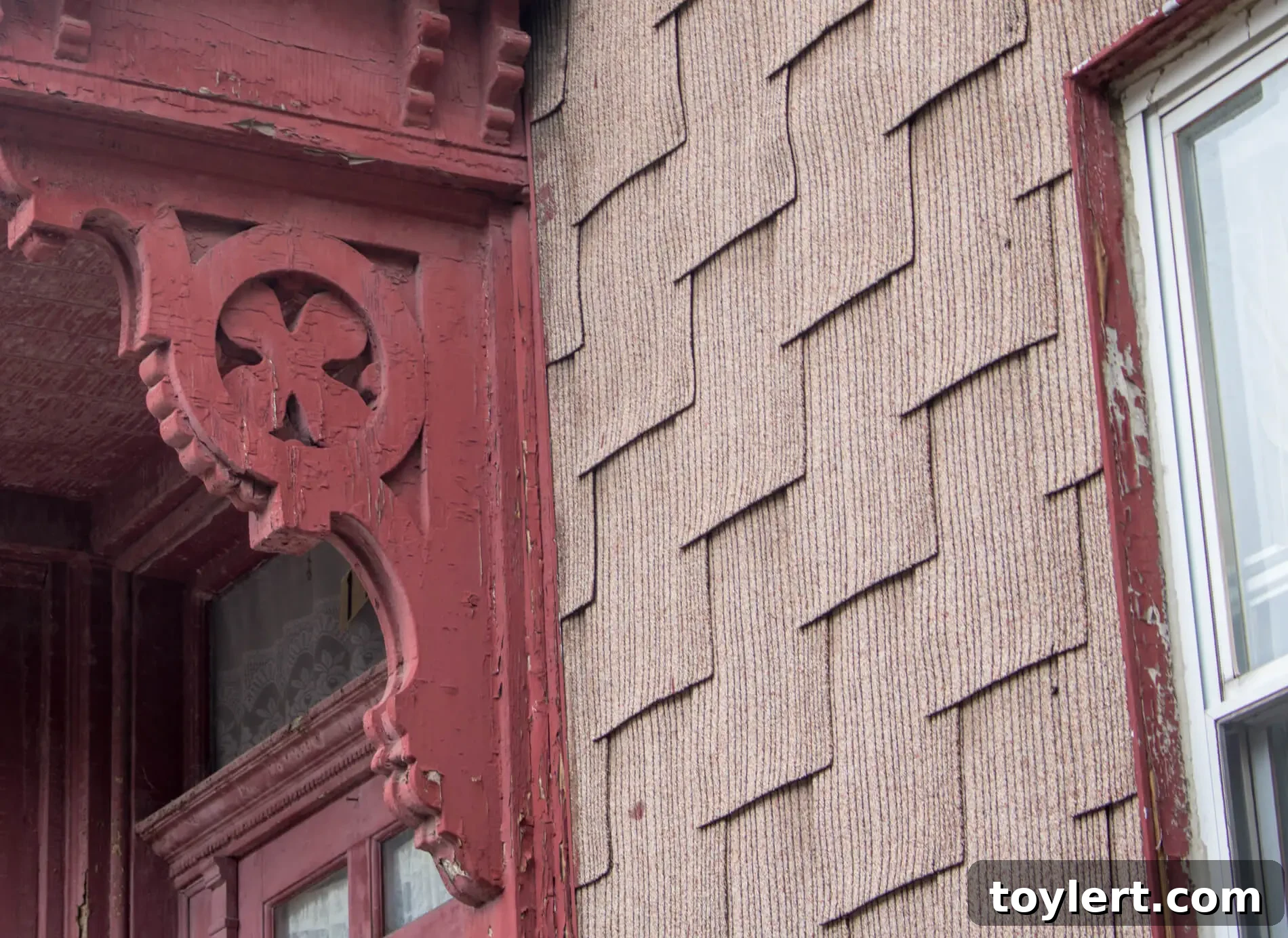
For many homeowners, especially those living in historic or older properties, there’s a unique blend of excitement and trepidation that comes with peeling back the layers of modern siding. The hope? To discover original wood siding, a testament to the home’s past, patiently waiting to be brought back to life. This dream of restoring a home’s authentic character often begins with the pragmatic task of removing contemporary coverings like vinyl siding or asphalt shingles, only to reveal what lies beneath. It’s a journey into the unknown, fraught with potential challenges but also promising immense rewards in terms of aesthetic appeal, historical integrity, and increased property value. Before embarking on such a significant exterior renovation project, homeowners are wisely seeking advice on critical questions:
Unveiling the Past: The Discovery of Original Wood Siding
The moment of truth arrives when the first section of modern siding is removed. What greets the homeowner can range from pristine, well-preserved wood to a heavily damaged or even unexpected surface. The initial reveal is often exhilarating, offering a glimpse into the home’s original design intent. However, this excitement is quickly tempered by practical considerations. Is the wood in a condition conducive to restoration? Are there signs of extensive rot, pest damage, or structural issues? More importantly, is there anything hidden that could pose a health risk or significantly complicate the project, such as asbestos?
Understanding the condition of the underlying wood is paramount. Superficial issues like peeling paint, minor cracks, or faded finishes are typically manageable. These indicate a clear path toward restoring wood siding. However, widespread decay, missing sections, or significant water damage could mean the dream of restoration might be less feasible or prohibitively expensive. This initial assessment will guide the subsequent decisions, including whether to proceed with restoration or explore alternative siding solutions for your home exterior.
Addressing the Elephant in the Room: Asbestos Concerns
One of the most critical concerns when uncovering original building materials in older homes is the potential presence of asbestos. Used extensively in construction materials before the 1980s, asbestos was prized for its fire resistance, insulation properties, and durability. Unfortunately, inhaling its microscopic fibers can lead to serious respiratory diseases, including asbestosis, lung cancer, and mesothelioma. Therefore, before disturbing any suspected material during exterior renovation, homeowners must exercise extreme caution.
Identifying Potential Asbestos-Containing Materials
Asbestos could be present in various forms under modern siding. The most common scenario involves asbestos cement shingles, which resemble traditional wood shingles or clapboard but are typically denser, brittle, and have a distinct grayish appearance. These were often installed directly over original wood siding as a low-maintenance, fire-resistant covering. However, asbestos might also be found in backing materials, mastics, caulking compounds, or even in some types of original insulation within the wall cavity exposed during siding removal.
The age of your home is a primary indicator. If your house was built before 1980, the likelihood of encountering asbestos-containing materials (ACMs) increases significantly. While it’s impossible to definitively identify asbestos merely by sight, certain characteristics can raise suspicion:
- Appearance: Asbestos siding shingles are often grey, white, or off-white, typically with a wavy or textured pattern. They are commonly found in sizes like 12×24 inches or 9×18 inches.
- Texture: When broken, these materials are hard, brittle, and may exhibit a fibrous texture.
- Installation Method: Often nailed directly onto existing wood siding or sheathing.
It’s crucial to remember that disturbing asbestos materials can release harmful fibers into the air. Therefore, if you suspect any material might contain asbestos, do not attempt to remove it yourself or disturb it in any way. Prioritize safety when dealing with historic home restoration projects.
Professional Testing and Abatement
The only way to confirm the presence of asbestos is through professional laboratory testing. A qualified asbestos inspector will take small, undisturbed samples of the suspicious material and send them to an accredited lab for analysis. This step is non-negotiable for safety and compliance. If asbestos is confirmed, homeowners have several options for managing the material:
- Encapsulation: If the material is in good condition and not friable (easily crumbled), it may be possible to encapsulate it, meaning it’s covered and sealed off, preventing fiber release. This is often done by covering it with new siding without disturbing the existing asbestos shingles, a common practice in historic home renovations.
- Removal (Abatement): For materials that are damaged, friable, or if complete removal is desired, professional asbestos abatement is necessary. This involves specialized equipment, containment procedures, and proper disposal methods to ensure safety and compliance with environmental regulations. Asbestos abatement is a complex and costly process that should only be performed by certified professionals. Attempting DIY removal is highly dangerous and illegal in many jurisdictions.
While the discovery of asbestos can be a setback, addressing it safely and professionally is paramount for the health of your family and future occupants. It’s an investment in safety that cannot be overlooked when considering exterior renovations and wood siding restoration.
The Dream Realized: Restoring Original Wood Siding
If the original wood siding is deemed restorable and any asbestos concerns are safely managed, the journey to revive its former glory can begin. This process is labor-intensive but incredibly rewarding, preserving the historical character and unique charm of your home while enhancing its curb appeal.
Assessing the Condition and Planning the Restoration
A thorough assessment of the wood’s condition is the first step in wood siding restoration. Categorize damage as minor, moderate, or severe:
- Minor Damage: Peeling paint, faded finishes, small cracks, minor surface imperfections. These typically require cleaning, stripping, light sanding, and a fresh coat of paint or stain to bring them back to life.
- Moderate Damage: Localized areas of rot, missing small sections, significant gaps. These require repair techniques like “Dutchman patches” (inserting new wood into a cut-out damaged section), durable wood fillers, or replacing individual boards with matching wood to maintain consistency.
- Severe Damage: Widespread rot, extensive pest infestation, structural compromise of multiple boards. In such cases, replacing entire sections or even all the siding with new, matching wood might be more practical and cost-effective than attempting extensive repairs. This decision often depends on the budget for your home exterior project.
The Wood Siding Restoration Process: Step-by-Step
- Cleaning: Thoroughly clean the siding to remove dirt, grime, mildew, and loose paint. Pressure washing can be effective, but caution must be used to avoid damaging old wood or forcing water into the wall structure, which can lead to further problems.
- Paint Removal: For a complete restoration, old paint layers often need to be removed. Methods include:
- Heat Guns: Effective for softening paint for scraping, but requires care to avoid scorching wood or igniting lead paint.
- Chemical Strippers: Can remove multiple layers of paint but require proper ventilation and protective gear due to their strong composition.
- Infrared Paint Removers: A safer alternative to heat guns, heating paint gently without extreme temperatures, making it ideal for delicate historic wood.
- Sanding: Used for final smoothing after most paint has been removed, or for light removal on well-adhered paint layers.
If lead-based paint is suspected (common in homes built before 1978), specific precautions and professional lead-safe practices are mandatory to prevent lead dust exposure, ensuring a safe historic home restoration.
- Repairs: Address all damage comprehensively. Fill minor cracks and holes with exterior-grade wood filler. Replace rotted sections with new wood, ensuring a seamless match in profile and grain if possible. Fasten loose boards securely to prevent future issues.
- Sanding and Preparation: Once repairs are complete, sand the entire surface to achieve a smooth finish, ensuring proper adhesion for new paint or stain. Caulk gaps around windows, doors, and seams with a high-quality, flexible exterior caulk to seal against moisture.
- Priming: Apply a high-quality exterior primer designed specifically for wood. Priming creates a uniform surface, seals the wood, and significantly improves paint adhesion and durability, extending the life of your finish.
- Painting or Staining: Apply two coats of premium exterior paint or stain. Choose colors that complement your home’s architectural style and surroundings. Paint offers more protection and a solid color, while stain allows the wood grain to show through, offering a more natural look.
Restoring original wood siding is a labor of love that not only enhances your home’s curb appeal but also contributes to its historical narrative. The result is a truly unique and authentic exterior that stands the test of time, increasing your property value and sense of pride.
Considering Alternatives: When Restoration Isn’t the Right Path
While the dream of restoring original wood siding is appealing, it’s not always feasible or the best option. Factors like severe wood damage, prohibitive restoration costs, or the desire for lower maintenance can lead homeowners to explore modern siding alternatives. Fortunately, today’s market offers a wide array of options that combine aesthetics, durability, and practicality for your home exterior.
Popular Siding Alternatives
- Fiber Cement Siding: Brands like HardiePlank have revolutionized exterior cladding. Fiber cement offers the look and texture of natural wood (clapboard, shingle, or vertical panels) but with superior durability. It’s resistant to rot, pests, fire, and extreme weather, and requires minimal maintenance, making it an excellent choice for longevity. It can be painted any color, providing immense design flexibility.
- Engineered Wood Siding: Products such as LP SmartSide provide a realistic wood aesthetic crafted from wood strands and fibers bonded with resins and waxes. This material is treated to resist rot, fungal decay, and termites. It’s often lighter than fiber cement, easier to install, and boasts excellent impact resistance. Engineered wood siding comes pre-primed and ready for painting, offering a robust and attractive exterior.
- New Wood Siding: If you love the natural beauty of wood but the original siding is irreparable, installing new wood siding is a viable option. Cedar, redwood, and treated pine are popular choices due to their natural beauty and durability. New wood can be installed in various styles, including traditional clapboard, shiplap, board and batten, or shingles, allowing you to achieve a classic or contemporary look. It will require ongoing maintenance, similar to restored wood.
- Modern Vinyl Siding: While the original vinyl might have been removed, modern vinyl siding has come a long way. It now offers a wider range of colors, textures, and profiles that can mimic wood more convincingly. Insulated vinyl siding options also provide improved energy efficiency, helping to reduce heating and cooling costs. It remains one of the most cost-effective and low-maintenance siding solutions available.
- Aluminum Siding: Durable, lightweight, and fire-resistant, aluminum siding can also mimic wood textures and is resistant to rust and pests. It’s a recyclable option, though it can dent and fade over time if not properly maintained.
- Stucco or Masonry (Brick/Stone): For a completely different aesthetic, stucco provides a smooth, durable finish, while brick or stone offers unparalleled longevity and a classic, robust appearance. These options represent a significant departure from wood and involve different installation complexities and costs, but offer unique benefits in terms of durability and style.
Factors to Consider When Choosing Siding Alternatives
When evaluating siding alternatives for your home exterior, consider the following:
- Cost: Installation and material costs vary significantly. Establish a budget early in the process to guide your choices.
- Maintenance: How much time and effort are you willing to invest in upkeep? Some materials are virtually maintenance-free, while others require periodic cleaning, painting, or sealing to maintain their appearance and integrity.
- Durability: Consider your local climate and potential impacts (e.g., hail, strong winds). Look for materials rated for your specific region’s weather conditions.
- Aesthetics: Does the material complement your home’s architectural style and your personal preferences? Request samples to see how they look on your home in different lighting conditions.
- Energy Efficiency: Some siding options offer integrated insulation, which can significantly improve your home’s thermal performance and reduce energy bills, contributing to a more sustainable home.
- Environmental Impact: Consider the sustainability of the materials, their manufacturing process, and their recyclability, especially if environmental responsibility is a priority for you.
Making an informed decision about your home’s exterior is crucial. Whether you’re able to restore the original wood siding or opt for a modern alternative, the goal is to enhance your home’s beauty, protect its structure, and reflect your personal style while ensuring safety and durability for years to come.
Making the Right Choice for Your Home’s Exterior
The journey from curiosity to commitment in an exterior renovation project is multifaceted. Uncovering what lies beneath layers of modern siding can be an exciting historical discovery or a challenging revelation. Whether you are driven by the allure of authentic wood siding, the practicality of modern materials, or the imperative of safety regarding concerns like asbestos, each decision shapes the future character and longevity of your home. Consulting with experienced contractors, asbestos professionals, and architects can provide invaluable insights and ensure that your project is executed safely, efficiently, and to the highest standards. Embrace the process, make informed decisions, and look forward to enjoying a refreshed and secure exterior that truly reflects the spirit of your home.