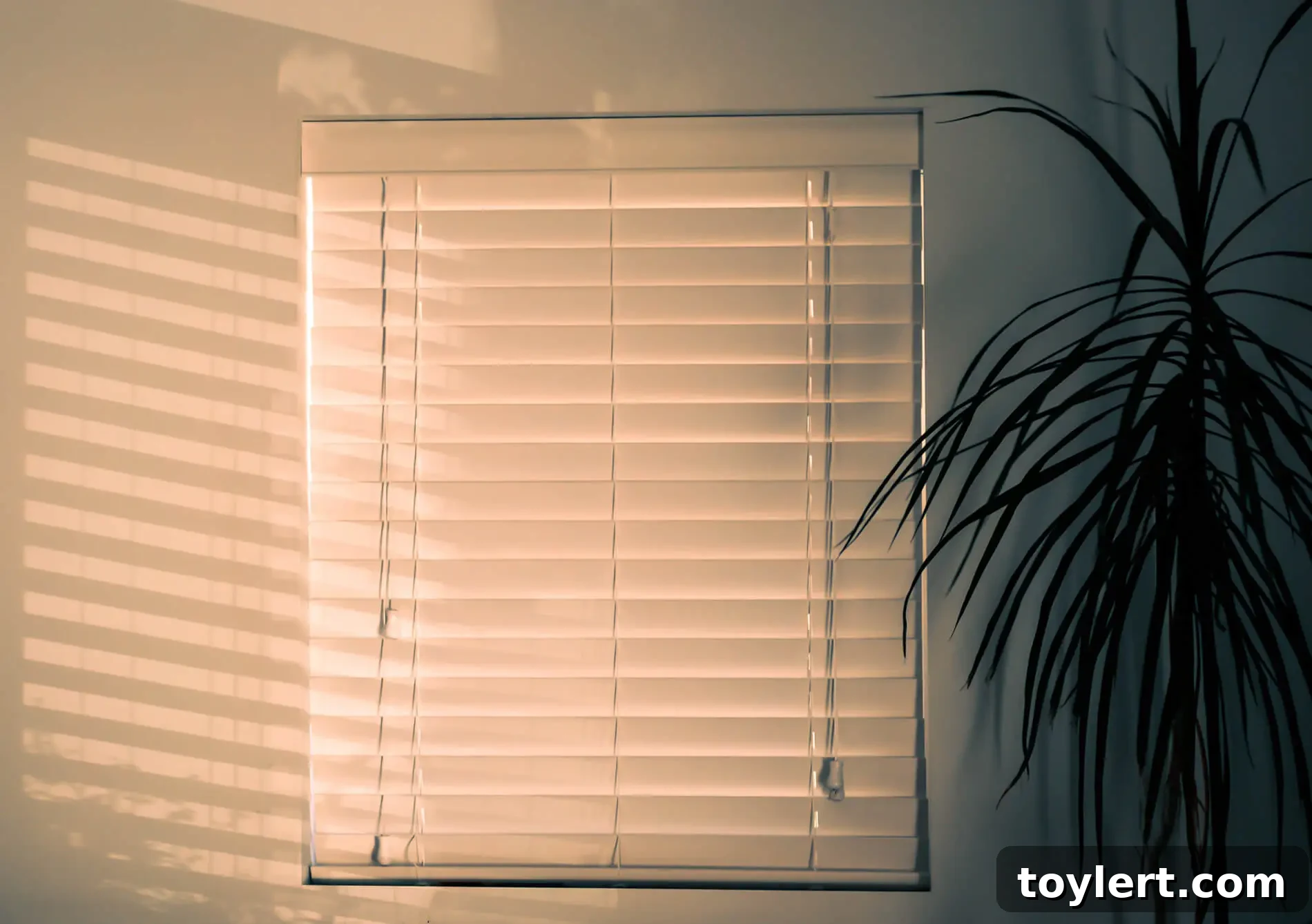
Maximizing Natural Light and Privacy in Your Garden Apartment: A Comprehensive Guide
Living in a garden apartment offers unique charm and a connection to the outdoors, yet it often comes with a common dilemma: how to bathe your home in natural light without compromising your cherished privacy. Many homeowners grapple with this challenge, seeking smart solutions that balance an airy, bright interior with a sense of seclusion. If you’re looking to transform your garden apartment into a luminous sanctuary, you’ve come to the right place. We’ll explore a wealth of strategies, from ingenious window treatments to clever interior design choices and thoughtful outdoor landscaping, all designed to help you achieve the perfect equilibrium.
The Allure and Challenge of Garden Apartments
Garden apartments, often situated on the ground floor or partially below ground, boast several appealing qualities. They frequently offer direct access to a garden or patio, providing a refreshing escape from urban hustle. Their unique positioning can also mean cooler interiors during summer months and a sense of quietude that’s hard to find in higher units. However, this proximity to the ground and surrounding structures, or even dense foliage, often limits the influx of natural light. Compounding this, the ground-level view can sometimes expose your living space to passersby, making privacy a significant concern.
The goal, therefore, is not simply to “get more light” but to “optimize light penetration” while simultaneously “enhancing privacy.” It’s a delicate dance between openess and enclosure, and with the right techniques, it’s a balance that can be beautifully achieved, transforming what might seem like a limitation into a design opportunity.
Unlocking Natural Light: Interior Design Strategies
Before even considering window treatments, evaluate your interior space. Simple design choices can dramatically brighten a dimly lit garden apartment.
1. Embrace Light Paint Colors and Finishes
- Walls and Ceilings: Opt for white, off-white, or very light pastel shades. These colors reflect light rather than absorbing it, making rooms feel larger and brighter. A matte finish can reduce glare while still enhancing luminosity.
- Flooring: Lighter flooring options, such as pale hardwood, light-colored tiles, or even light-toned rugs, can significantly bounce light upwards, brightening the entire room.
- Furniture: Choose furniture pieces in lighter fabrics or finishes. Avoid heavy, dark furniture that can visually weigh down a room and absorb light.

2. Strategic Use of Mirrors
Mirrors are a designer’s secret weapon for maximizing light and creating an illusion of space. Their reflective surfaces can double the impact of any available natural light.
- Opposite Windows: Placing a large mirror directly opposite a window will reflect the outdoor view and light back into the room, effectively expanding the perceived light source.
- Adjacent to Windows: Mirrors placed on walls perpendicular to windows can catch light from multiple angles, spreading it deeper into the apartment.
- Gallery Walls: Integrate mirrors of various shapes and sizes into a gallery wall for both decorative appeal and light reflection.

3. Mindful Furniture Placement and Decluttering
Heavy or oversized furniture can block light and create shadows. Keep sightlines clear, especially around windows.
- Low-Profile Furniture: Opt for furniture with slender legs or open designs that don’t obstruct light flow. Sofas and chairs with lower backs also allow light to pass over them.
- Keep Windows Clear: Ensure no tall furniture, plants, or decorative items are blocking the lower or upper portions of your windows.
- Declutter: A cluttered space absorbs light and can make a room feel smaller and darker. Regular decluttering creates a more open, reflective environment.
4. Enhance with Artificial Lighting
While natural light is paramount, intelligent artificial lighting can supplement and enhance it, especially during darker hours or on overcast days.
- Layered Lighting: Combine ambient (general room lighting), task (for specific activities), and accent (to highlight features) lighting.
- Dimmable Fixtures: Install dimmers on overhead lights and lamps to adjust the mood and brightness.
- Uplighting: Floor lamps with uplighting capabilities can bounce light off ceilings, making the room feel taller and brighter.
- Strategically Placed Lamps: Use floor and table lamps in corners or darker areas to banish shadows and create warmth.

5. Utilize Reflective Materials and Glass Elements
- Glass and Acrylic: Consider glass tabletops, acrylic chairs, or open shelving units. These materials allow light to pass through them, minimizing visual bulk.
- Metallic Accents: Incorporate decorative items with metallic finishes (silver, chrome, polished brass) which reflect light beautifully.
- French Doors: If you have an internal door separating a darker room from a lighter one, consider replacing it with French doors or a door with glass panels to allow light to filter through.
Achieving Privacy Without Sacrificing Light: Window Treatment Solutions
This is often the trickiest part, but modern window treatments offer incredibly innovative ways to maintain seclusion while still inviting natural light.
1. Top-Down/Bottom-Up Blinds and Shades
These are perhaps the most popular and effective solutions for garden apartments. They allow you to lower the blinds from the top or raise them from the bottom, or both simultaneously.
- Privacy at Eye Level: You can keep the bottom portion of the window covered for privacy from the street or garden, while opening the top portion to let light stream in from above.
- Versatile Materials: Available in various opacities, from sheer to room-darkening, allowing you to choose the level of light filtration and privacy needed.

2. Sheer Curtains and Layered Treatments
Sheer curtains offer a soft, diffused light while providing a basic layer of privacy during the day.
- Daytime Privacy: They blur the view from outside without completely blocking light or obstructing your own view.
- Layering: Combine sheer curtains with heavier drapes or blackout blinds that can be drawn at night for complete privacy and light control. This dual system offers maximum flexibility.
3. Frosted Film, Etched Glass, and Smart Glass
- Window Films: Easily applied, inexpensive frosted or decorative window films allow light to enter but obscure the view from both sides. They come in various patterns and levels of opacity.
- Etched or Textured Glass: If replacing windows is an option, consider glass with built-in patterns or textures that diffuse light and maintain privacy.
- Smart Glass (Switchable Glass): For a high-tech solution, smart glass can change from transparent to opaque at the flip of a switch, offering ultimate control over light and privacy (though this is a more significant investment).

4. Café Style Curtains and Shutters
These treatments cover only the lower portion of the window, specifically where privacy is most needed.
- Café Curtains: Provide privacy at the lower part of the window while leaving the upper section open for unobstructed light. They offer a charming, classic aesthetic.
- Louvered Shutters: Similar to café curtains in concept, but with adjustable slats. Louvered shutters can be angled to direct light upwards while blocking direct views, or fully closed for complete privacy. They also add architectural interest.

Leveraging Outdoor Elements for Light and Privacy
Your garden apartment’s immediate surroundings can be manipulated to enhance both light and privacy.
1. Strategic Landscaping and Greenery
- Pruning Foliage: If trees or shrubs outside your windows are blocking light, consider pruning them. Always check with your building management or local regulations first.
- Tall Planters and Shrubs: On your patio or garden space, strategically place tall planters with dense foliage or grow privacy shrubs. These can create a natural screen that blocks views from the street while still allowing light over the top.
- Trellises with Climbing Plants: Install trellises and encourage climbing plants like ivy, clematis, or jasmine. This creates a beautiful, living privacy screen that can also diffuse harsh sunlight.

2. Outdoor Reflective Surfaces
Just as mirrors work indoors, reflective surfaces outdoors can help. Light-colored gravel, pavers, or even a small, strategically placed outdoor mirror can bounce additional light towards your windows.
3. Privacy Screens and Fences
Consider installing decorative privacy screens made of wood, bamboo, or metal lattice. These can be artful additions to your outdoor space while offering a physical barrier against prying eyes.
Integrating Solutions for Optimal Results
The most successful approach to maximizing light and privacy in a garden apartment often involves a combination of these strategies. For instance, pairing light-colored walls with top-down/bottom-up blinds and a strategically placed outdoor privacy hedge can create a beautifully balanced environment. Don’t be afraid to experiment! Start with the most impactful and cost-effective changes, like paint colors and mirror placement, then move on to window treatments and outdoor landscaping.
Consider the specific orientation of your apartment. Does it face north, south, east, or west? This will influence the quality and duration of natural light. North-facing windows offer consistent but indirect light, while south-facing windows receive strong, direct sun. Tailor your solutions to these unique characteristics.
When to Call a Professional
While many of these ideas are DIY-friendly, some projects might benefit from professional input. An interior designer specializing in small spaces or light optimization can offer tailored advice. For complex window installations or significant landscaping changes, consulting with experienced contractors can ensure safety and effectiveness.