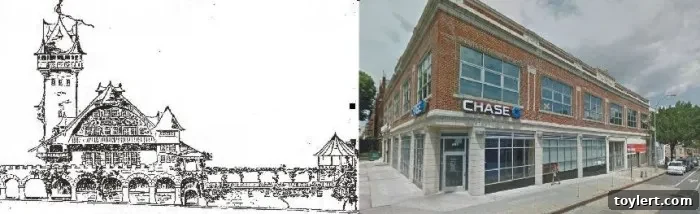
Brooklyn’s Enduring Spirit: A Journey from Victorian Leisure to Modern Dynamism
Brooklyn, a borough synonymous with vibrant culture and diverse communities, has undergone a fascinating evolution, particularly from the late 19th century into the present day. This journey reveals how a burgeoning middle class, a revolutionary mode of transport, and strategic urban development converged to shape the Brooklyn we know today. Let’s delve into the past and present of this iconic New York City borough, exploring its historical leisure pursuits and its continuous reinvention.
The Dawn of Leisure: Victorian Brooklyn’s Middle-Class Revolution
As the 20th century loomed, casting its long shadow over the industrializing landscape, an unprecedented phenomenon began to reshape the lives of Brooklyn’s middle-class Victorians: the advent of widespread leisure time. For centuries, the concept of free time was largely a luxury reserved for the elite, while the working masses toiled with little respite. However, the economic boom following the Civil War, coupled with advancements in industrial efficiency and the gradual shortening of the workday, meant that a growing segment of society now found themselves with disposable income and, crucially, time to spend it. This newfound freedom sparked a cultural revolution, fundamentally altering social customs, personal habits, and urban infrastructure. Brooklyn, with its burgeoning population and developing amenities, became a prime canvas for this transformation.
This era saw the rapid establishment of public parks, museums, and grand boulevards specifically designed for recreation and social interaction. Unlike their ancestors, who might have only known back-breaking labor or aristocratic pursuits, the Victorian middle class embraced a spectrum of activities from genteel strolls through manicured gardens to competitive sports and intellectual societies. This shift wasn’t merely about relaxation; it was about self-improvement, social status, and communal engagement. People sought out ways to enrich their minds, invigorate their bodies, and connect with their peers outside the confines of work and home. The burgeoning demand for leisure activities spurred innovation in urban planning and created opportunities for new businesses catering to these evolving tastes. Brooklyn, already a desirable residential area, quickly adapted to these new needs, laying the groundwork for its future as a dynamic urban center and a haven for recreational pursuits.
The Bicycle Craze: Revolutionizing Mobility and Freedom in Brooklyn
Among the most influential innovations that captured the imagination of Victorian society was the bicycle. Initially seen as a curiosity or an expensive toy for the adventurous, the bicycle rapidly evolved from the cumbersome “penny-farthing” to the safer, more practical “safety bicycle” in the late 1880s. This crucial transformation made cycling accessible to a wider audience, including women, who had previously been hindered by restrictive clothing and the inherent dangers of earlier models. The bicycle offered an unprecedented sense of personal mobility and freedom, allowing individuals to travel further and faster than ever before, unburdened by the fixed schedules of public transport or the significant expense of horse-drawn carriages. This personal liberation profoundly impacted urban life.
In Brooklyn, the bicycle quickly became a potent symbol of progress, modernity, and personal empowerment. Cycling clubs sprang up across the borough with remarkable speed, organizing group rides, thrilling races, and sophisticated social gatherings. These clubs were not just about sport; they fostered a strong sense of community and provided platforms for social networking, often transcending traditional class boundaries. Cyclists, clad in their distinctive, often custom-made gear, would explore the borough’s scenic routes, from the carefully designed grandeur of Prospect Park to the tree-lined avenues of newly developed neighborhoods like Flatbush and Crown Heights. The bicycle also played a significant role in challenging restrictive social norms, particularly for women, who found in cycling a legitimate means to exercise, socialize independently, and even advocate for more practical, less restrictive attire. It was more than just a means of transport; it was a powerful vehicle for social change, paving the way for greater personal autonomy and a healthier, more active lifestyle for countless Brooklynites.
Brooklyn’s Cycling Hubs: The Rise of the Bedford Rest and Community Spirit
As cycling grew exponentially in popularity across Brooklyn, the need for dedicated infrastructure and convenient refreshment points became increasingly apparent. Brooklyn, with its relatively flat terrain, expanding network of paved roads, and picturesque scenery, was ideally suited for this burgeoning recreational activity. Savvy entrepreneurs quickly recognized this burgeoning market, leading to the establishment of numerous “bicycle rests” or “roadhouses” strategically located along popular cycling routes. These establishments served as vital pit stops for weary riders, offering everything from light refreshments, hearty meals, and cold drinks to essential bicycle repairs and even comfortable overnight accommodations for those embarking on longer excursions. They quickly became important social hubs, places where cyclists could gather, share exciting stories of their rides, compare equipment, and plan their next adventures, fostering a true sense of camaraderie.
One such iconic establishment, deeply woven into the rich fabric of Brooklyn’s cycling history, was the Bedford Rest. Located in what is now the vibrant neighborhood of Crown Heights, the Bedford Rest emerged as a premier destination for cyclists traversing Brooklyn’s picturesque landscapes and urban sprawl. Its strategic position along key cycling arteries made it an indispensable part of many riders’ journeys, a much-anticipated pause point. It wasn’t just a place to quench thirst or grab a bite; it was a landmark, a well-known meeting point, and a cherished symbol of the vibrant cycling culture that defined late 19th and early 20th century Brooklyn. For many dedicated cyclists, a long ride wasn’t truly complete without a stop at the Bedford Rest, where the cheerful camaraderie of fellow cyclists mingled with the enticing aroma of fresh coffee, the satisfying clinking of glasses, and the shared excitement of a common passion. These historic hubs highlight the borough’s foresight in supporting public leisure activities, creating a valuable legacy that continues to influence Brooklyn’s urban identity and its ongoing appeal to active lifestyles.
Crown Heights: A Neighborhood Shaped by History and Continuous Progress
The neighborhood of Crown Heights, where the legendary Bedford Rest once thrived, offers a fascinating microcosm of Brooklyn’s broader historical narrative. Originally envisioned and developed as a residential area characterized by grand Victorian homes, elegant brownstones, and meticulously tree-lined streets, Crown Heights experienced significant growth and transformation during the era of newfound leisure. Its advantageous proximity to key transportation routes, like the early streetcar lines and eventually the subway, combined with emerging urban amenities, made it a highly desirable location for the middle class seeking both modern convenience and a high quality of life. The presence of popular establishments like the Bedford Rest underscored its importance as a community nexus, a social destination, and a vital point within the larger borough’s recreational network.
Over the decades, Crown Heights, much like the rest of Brooklyn, has experienced profound cycles of change, periods of intense development, and challenges, followed by remarkable revitalization. From its relatively affluent Victorian beginnings to periods of significant demographic shifts, urban struggles, and subsequent community-led rebirth, the neighborhood has continuously adapted and reinvented itself. Today, Crown Heights remains an extraordinarily vibrant and diverse community, reflecting a rich tapestry of cultures, histories, and traditions. Its eclectic streets tell compelling stories of architectural grandeur, pivotal social movements, and the enduring resilience and spirit of its diverse residents. The echoes of its past, including its pivotal role in Brooklyn’s historic cycling boom and its charming Victorian architecture, contribute immensely to its unique character and ongoing appeal, seamlessly blending historical charm with contemporary energy and a forward-looking perspective.
Brooklyn, Then and Now: An Enduring Legacy of Urban Evolution and Resilience
Looking at Brooklyn then and now, the contrasts in its physical landscape and social dynamics are striking, yet the underlying spirit of dynamism, innovation, and strong community remains remarkably constant. The majestic Victorian homes and iconic brownstones that once housed families enjoying their newfound leisure time still stand as enduring testaments to an earlier era, though their occupants, purposes, and the surrounding urban fabric have changed dramatically. The cherished green spaces, like the sprawling Prospect Park, which provided serene retreats for Victorian cyclists and leisurely promenaders, continue to serve as vital lungs of the city, beloved by modern-day joggers, picnickers, families, and, indeed, a new generation of enthusiastic cyclists who continue the borough’s rich two-wheeled tradition.
Today, Brooklyn is celebrated globally as a hub of creativity, artistic innovation, culinary excellence, and diverse lifestyles. Its distinctive neighborhoods, ranging from the meticulously preserved historic brownstone districts to the burgeoning waterfront developments and trendy industrial conversions, reflect a continuous, vibrant cycle of reinvention and growth. While specific “bicycle rests” like the Bedford Rest may no longer exist in their original form, their spirit and legacy live on in the borough’s extensive and ever-expanding network of dedicated bike lanes, its numerous independent bike shops, and the thriving, active cycling culture that permeates daily life for commuters and enthusiasts alike. The borough’s unwavering commitment to developing and maintaining its world-class parks and public spaces, initiated in part by the Victorian pursuit of leisure, continues to make it an incredibly attractive and livable place for millions to reside, work, and visit.
The story of Brooklyn is an ongoing narrative of constant evolution, where the rich tapestry of the past vividly informs the present and sets an inspiring stage for an exciting future. From the modest beginnings of widespread leisure time for the middle class to the truly transformative power of the bicycle, and the rise of essential community hubs like the Bedford Rest, Brooklyn has consistently been at the forefront of urban development, social change, and cultural innovation. Its remarkable journey from a collection of independent towns to a global urban icon showcases its incredible resilience, remarkable adaptability, and the enduring, multifaceted charm that continues to captivate residents, businesses, and visitors alike. Brooklyn’s unique identity is inextricably linked to its deep and diverse history, offering a compelling narrative of how a great city reinvents itself while passionately cherishing and honoring its deep-rooted heritage.