The Enduring Grandeur: Unveiling The Berkeley and Grosvenor Apartments in Brooklyn Heights
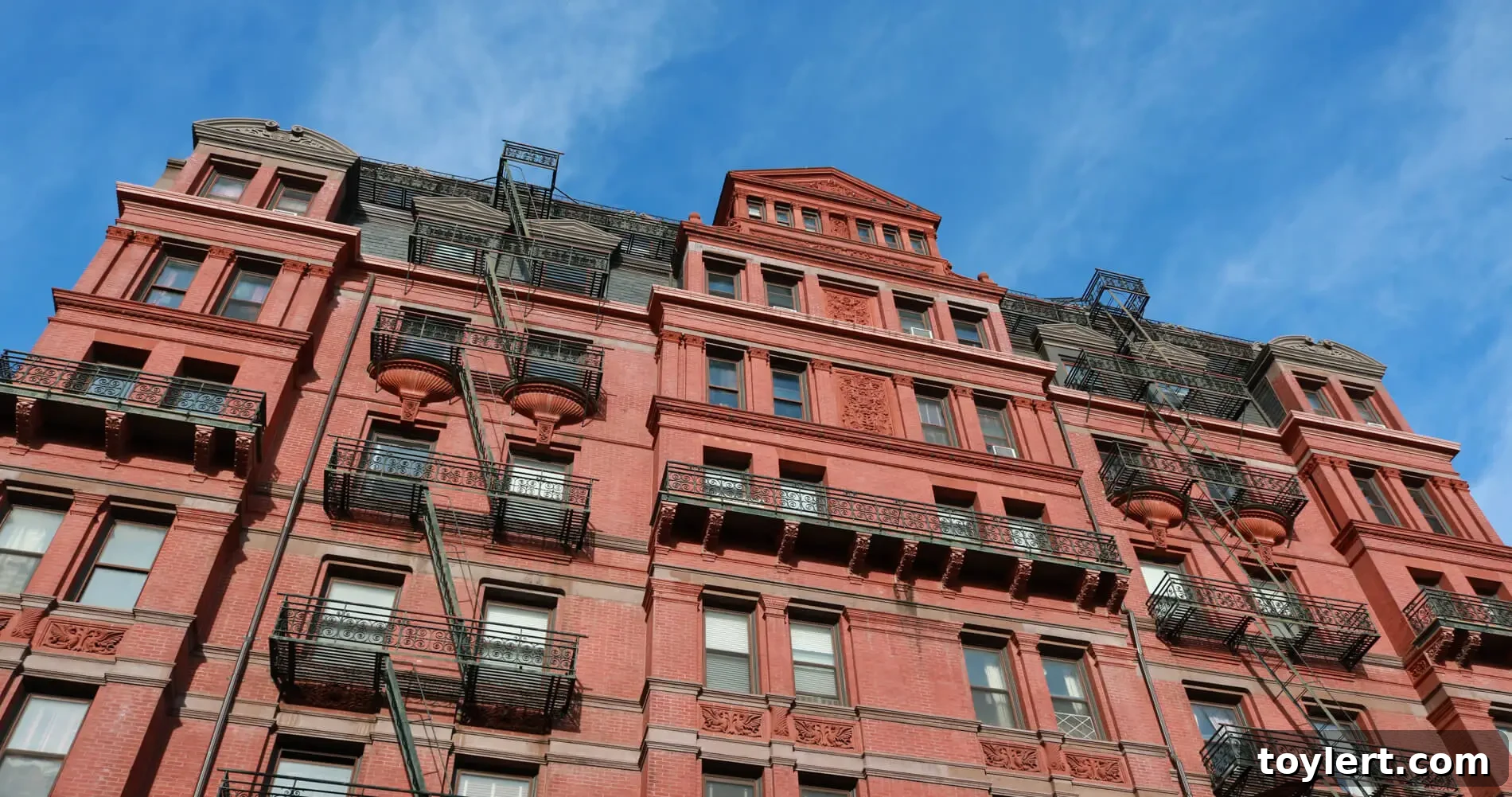
Brooklyn Heights, a borough celebrated for its picturesque brownstones and tree-lined streets, holds countless architectural treasures waiting to be discovered. Yet, it is remarkably easy to overlook some of its most delightful and historically significant structures if you fail to cast your gaze upwards – way upwards. Among these hidden gems are The Berkeley and Grosvenor Apartments, stately edifices located at 111-117 Montague Street. Designed in 1885 by the renowned Brooklyn architects, the Parfitt Brothers, these buildings stand as a testament to the late 19th century’s burgeoning demand for luxury urban living and the architectural prowess that shaped it.
The late 1800s marked a transformative era for urban development in American cities, and Brooklyn was no exception. As its population soared and new transportation networks connected disparate neighborhoods, the traditional single-family townhouse began to share the stage with a new breed of sophisticated multi-family dwellings. These luxury apartment houses offered a fresh vision of city living, combining convenience with elegance, and the Parfitt Brothers were at the forefront of this architectural revolution. Their reputation, initially cemented by their exquisite townhouse designs, quickly expanded as they became prolific creators of these grand apartment complexes that were so much in vogue towards the close of the century. Indeed, their influence on the architectural fabric of Brooklyn Heights during this period was undeniable, securing them not one, but an impressive three apartment house commissions in the 1880s alone, from two distinct and visionary developers.
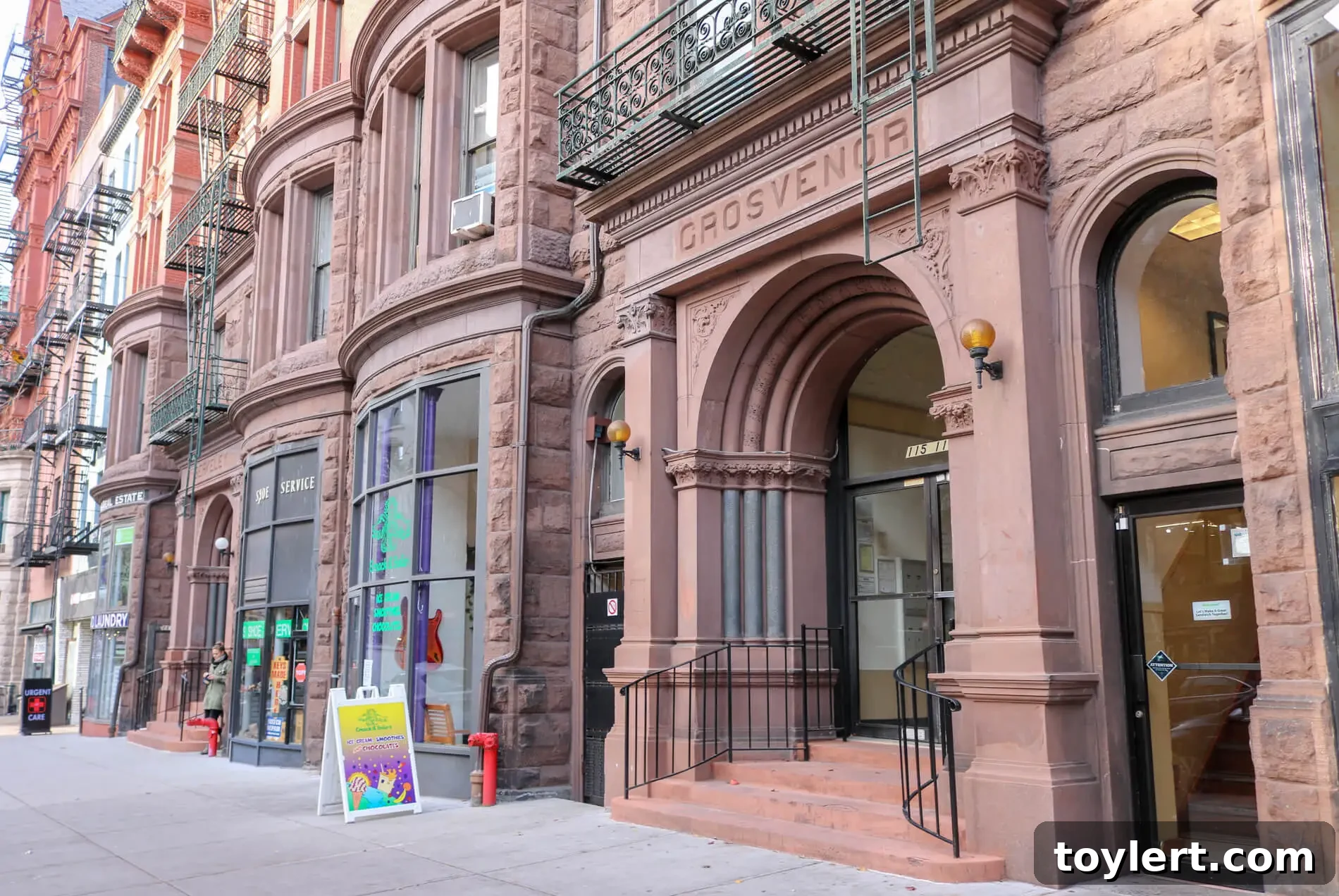
Architectural Splendor: The Berkeley and Grosvenor
The Berkeley and Grosvenor Apartments are prime examples of the intricate and decorative Victorian architecture that characterized the period. When viewed from street level, their imposing scale is immediately apparent, but it’s by lifting your eyes to the upper floors and rooflines that their true beauty is revealed. The façades are often adorned with a rich tapestry of materials and details: ornate cornices jutting out against the sky, intricate brickwork patterns, detailed terra cotta accents, and elegantly framed windows. These elements were not merely functional; they were statements of prestige and craftsmanship, reflecting the status of their inhabitants and the ambitious vision of their creators.
These buildings typically incorporated features designed to maximize natural light and offer expansive views, often utilizing bay windows or turrets that extended outwards, providing residents with panoramic vistas of the surrounding neighborhood and, in some cases, the Manhattan skyline or the harbor. The design philosophy behind such luxury apartments focused on creating self-contained units that mimicked the comforts of a private home, but with the added benefits of shared services and a vibrant urban location. Grand entrances, often featuring richly detailed vestibules and sweeping staircases, provided a sense of arrival, while interiors boasted high ceilings, elaborate millwork, and ample living spaces, distinguishing them from more modest tenements or boarding houses.
The Parfitt Brothers: Architects of Brooklyn’s Character
The Parfitt Brothers, originally from England, established themselves as one of Brooklyn’s most influential architectural firms. Their transition from designing elegant townhouses to monumental apartment buildings showcased their versatility and keen understanding of the evolving urban landscape. Their townhouse designs, often characterized by their stately proportions, refined detailing, and skillful use of brownstone and brick, garnered them significant acclaim. When the demand for luxury apartments began to surge, the Parfitt Brothers were perfectly positioned to meet this need, translating their expertise in residential comfort and aesthetic appeal into a larger, multi-unit format.
Their work on The Berkeley and Grosvenor, and other commissions in Brooklyn Heights, exemplified their ability to blend functional design with architectural grandeur. They understood the nuances of creating spaces that were both practical for daily living and visually stunning, appealing to a clientele that sought convenience without sacrificing prestige. Their approach often involved incorporating innovative layouts for the time, ensuring privacy and comfort for residents, while also contributing visually rich and harmonious structures to the streetscape. The brothers’ prolific output meant that their architectural fingerprint became indelible on many of Brooklyn’s most desirable neighborhoods, defining the character of entire blocks and contributing significantly to the borough’s historic charm.
A Legacy Etched in Brooklyn Heights
The Parfitt Brothers’ contributions to Brooklyn Heights were not limited to a single project. The fact that they secured three apartment house commissions from two different developers in the 1880s underscores their reputation and the confidence placed in their architectural vision. These commissions were a direct response to the burgeoning prosperity of the late 19th century and the increasing desire among Brooklyn’s elite for modern, convenient, and stylish urban residences. Developers recognized the Parfitt Brothers’ ability to deliver buildings that not only met but exceeded the expectations of this discerning market, ensuring high demand and long-term value.
These projects, including The Berkeley and Grosvenor, were instrumental in shaping the identity of Brooklyn Heights as a premier residential district. They provided a luxurious alternative to traditional homeownership, appealing to professionals, artists, and families who valued city life but desired a certain standard of living. The brothers’ designs ensured that these apartment buildings were not merely functional living spaces, but iconic landmarks that contributed significantly to the aesthetic and historical fabric of the neighborhood, cementing its status as one of New York City’s most distinguished residential enclaves.
The Evolution of Urban Living and Enduring Appeal
The emergence of luxury apartment buildings like The Berkeley and Grosvenor signaled a significant shift in American urban planning and residential living. Prior to this period, apartments were often associated with tenements or temporary housing. The Parfitt Brothers, along with their contemporaries, elevated the apartment house to a symbol of sophistication and modernity. They introduced concepts that are now commonplace: elaborate lobbies, serviced facilities, and well-designed individual units, complete with multiple rooms, private bathrooms, and often, domestic staff quarters.
These buildings were essentially self-contained communities, offering a lifestyle that balanced independence with accessibility to urban amenities. The architectural details, from the sturdy masonry to the intricate decorative elements, were chosen not only for their beauty but also for their durability, ensuring these structures would stand the test of time. Today, over a century later, The Berkeley and Grosvenor Apartments continue to be highly sought-after residences, cherished for their historic charm, robust construction, and prime location within one of Brooklyn’s most desirable neighborhoods. Their enduring appeal speaks volumes about the quality and foresight of their original design.
Preserving Architectural Heritage in Brooklyn Heights
Brooklyn Heights itself holds the distinction of being New York City’s first historic district, a designation earned in 1965 to protect its unique character and architectural heritage. Buildings like The Berkeley and Grosvenor Apartments are integral to this protected landscape, representing a crucial chapter in the district’s development. Their preservation allows residents and visitors alike to step back in time and appreciate the craftsmanship and design principles of a bygone era. The facades, often restored to their original grandeur, serve as living museums, telling stories of a bustling Brooklyn at the turn of the 20th century.
Understanding the architectural legacy of firms like the Parfitt Brothers is vital for appreciating the layers of history that define Brooklyn. These buildings are more than just homes; they are monuments to an architectural period, a reflection of societal shifts, and cherished components of a vibrant community. They remind us of the importance of looking beyond the immediate, to notice the intricate details, the soaring heights, and the masterful designs that contribute to the enduring beauty and narrative of places like Montague Street. The Berkeley and Grosvenor are not just addresses; they are integral parts of Brooklyn’s rich tapestry, inviting admiration and ensuring the legacy of the Parfitt Brothers continues to inspire.