Brooklyn’s Evolving Skyline: A Historical Journey Through Its Hotels, Then and Now
Brooklyn, New York, a borough renowned for its vibrant culture, diverse neighborhoods, and unmistakable charm, has a hospitality history as dynamic as its streets. For many years, particularly leading up to about a decade ago, finding a truly legitimate, full-service hotel within Brooklyn’s sprawling landscape felt like an impossible quest. This modern reality often stands in stark contrast to its storied past, a time when hotels of all sizes and styles dotted the cityscape, seemingly gracing every other block in some of its most bustling neighborhoods. The current resurgence in hotel development, while impressive, still doesn’t quite capture the sheer volume and variety of establishments that once characterized Brooklyn’s thriving hospitality scene. These establishments weren’t just for transient travelers; they served a broad spectrum of guests, from vacationing tourists and commuting businessmen to those who opted for extended stays, making a hotel their seasonal or even year-round home.
The Golden Age: Brooklyn’s Early Hotel Landscape
To truly appreciate Brooklyn’s current hospitality renaissance, one must first delve into its rich historical context. During the late 19th and early 20th centuries, Brooklyn was a booming independent city, a major industrial hub, and a significant port. Its proximity to Manhattan, combined with its own economic vitality, generated immense demand for accommodation. This era saw the proliferation of magnificent hotels that were not just places to sleep but were integral social and commercial centers. Grand establishments, often architecturally significant, rose in areas like Downtown Brooklyn, Brooklyn Heights, and even along the rapidly developing beachfronts of Coney Island and Brighton Beach.
A Hub of Commerce and Leisure
Brooklyn’s hotels of yesteryear catered to an incredibly diverse clientele. Business travelers found convenient lodgings close to the borough’s numerous factories, docks, and commercial districts. Tourists flocked to Brooklyn for its attractions – the iconic Brooklyn Bridge, Prospect Park, and the world-famous amusement parks of Coney Island drew visitors from across the nation and beyond. These hotels provided essential infrastructure for a burgeoning tourism industry, offering comfort and luxury after a day of sightseeing or transacting business. Smaller, more intimate hotels and boarding houses also thrived, providing affordable options for families, artisans, and those seeking a longer-term residence within the borough’s burgeoning communities.
Diversity in Design and Purpose
The architectural styles of these hotels reflected the prevailing tastes of their eras, from opulent Victorian designs to elegant Art Deco structures. Many featured expansive lobbies, formal dining rooms, ballrooms, and even private clubs, positioning them as social epicenters. They were places where local elites gathered, where significant events were celebrated, and where the pulse of Brooklyn’s high society could be felt. Beyond the grand hotels, countless smaller, family-run establishments provided personalized service and a sense of community, often becoming fixtures in their respective neighborhoods. Residential hotels, a common concept in that period, offered fully furnished apartments with hotel amenities, attracting individuals and families who sought convenience without the commitment of homeownership.
Architectural Grandeur and Social Hubs
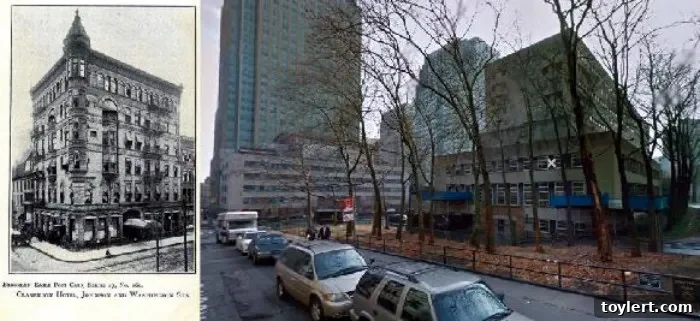
Consider, for instance, the historical significance of structures like the Clarendon Hotel (as hinted by the accompanying image) or the grand hotels that once graced Fulton Street or Montague Street. These weren’t mere utilitarian buildings; they were landmarks. Their facades told stories of craftsmanship and ambition, while their interiors buzzed with conversations, laughter, and the clinking of glasses. These establishments fostered community, provided employment, and significantly contributed to Brooklyn’s unique urban fabric. The sheer density of these hotels underscored Brooklyn’s status as a formidable city in its own right, not merely a bedroom community for Manhattan.
The Great Transformation: A Period of Decline and Urban Shift
However, this vibrant hotel landscape did not last indefinitely. The mid-20th century ushered in a period of profound change for Brooklyn and many other American cities. Post-World War II trends, including suburbanization, the rise of the automobile, and shifts in industrial landscapes, led to a gradual decline in the need for urban hotels, especially for long-term residential purposes. Many grand hotels, struggling to adapt to changing demands and maintenance costs, fell into disrepair or were converted into other uses, such as apartments, office buildings, or even government facilities. Others simply succumbed to the wrecking ball, making way for new urban planning initiatives or modern developments.
Shifting Paradigms and Urban Redevelopment
For several decades, Brooklyn experienced a period where its identity shifted from a standalone metropolis to a more residential borough, largely overshadowed by its illustrious neighbor across the East River. Business travel gravitated towards Manhattan, and tourists often preferred to stay there, making day trips into Brooklyn for specific attractions. This perception meant that investment in new, full-service hotels in Brooklyn dwindled. The existing inventory diminished significantly, leaving vast swaths of the borough with few, if any, reputable lodging options for visitors seeking a comprehensive hotel experience with amenities like concierge services, on-site restaurants, and conference facilities. This created a peculiar vacuum: a globally recognized borough with a rich history and culture, yet lacking adequate modern hospitality infrastructure.
The Long Hiatus for Full-Service Hospitality
It’s within this context that the observation that “it was impossible to find a legitimate full service hotel in Brooklyn” for many years truly resonates. The few options available were often smaller, independently run guesthouses or budget motels, which, while serving a purpose, didn’t fulfill the demand for upscale, amenity-rich accommodations. This absence highlighted a significant gap in Brooklyn’s urban development, one that would only begin to be addressed with the borough’s dramatic renaissance at the turn of the 21st century.
Brooklyn’s Resurgence: A New Era of Hospitality
The last decade has witnessed an extraordinary transformation in Brooklyn’s standing, not just as a residential haven but as a global destination in its own right. This shift has ignited an unprecedented boom in hotel construction, marking a vibrant new chapter in its hospitality history. What was once considered impossible is now commonplace, with full-service hotels emerging in diverse neighborhoods, from the historic brownstone-lined streets to the rapidly gentrifying industrial areas.
Drivers of the Modern Hotel Boom
Several key factors have fueled this resurgence. Firstly, Brooklyn has cemented its reputation as a cultural epicenter, attracting artists, musicians, chefs, and entrepreneurs, which in turn draws a burgeoning tourist demographic. Visitors are increasingly choosing to base their stays directly in Brooklyn to immerse themselves in its unique local scene, rather than merely commuting from Manhattan. Secondly, the borough’s economic landscape has diversified, with tech companies, creative agencies, and start-ups establishing a significant presence, thereby generating a new wave of business travel. Thirdly, improved public transportation and infrastructure have made Brooklyn more accessible than ever, reducing perceived barriers for both leisure and business travelers. Finally, the sheer demand for event spaces—from weddings to conferences—has necessitated the development of hotels capable of hosting large groups and providing comprehensive services.
From Boutique Charms to Luxury Landmarks
Today’s Brooklyn hotel scene is characterized by incredible variety. Boutique hotels, known for their unique designs, personalized service, and integration with local culture, have flourished in neighborhoods like Williamsburg, Dumbo, and Bushwick. These establishments often reflect the artistic and independent spirit of their surroundings, offering guests an authentic Brooklyn experience. Alongside these charming independents, major international hotel chains have recognized Brooklyn’s potential, investing in large-scale luxury properties that provide world-class amenities and services. These new hotels often feature rooftop bars with stunning skyline views, gourmet restaurants, state-of-the-art fitness centers, and extensive meeting facilities, catering to both high-end leisure travelers and corporate clients.
Integrating with Brooklyn’s Unique Character
Unlike their historical predecessors which sometimes stood apart as grand statements, many of Brooklyn’s new hotels strive for a seamless integration with their local environment. Designers often incorporate elements of Brooklyn’s industrial heritage or artistic flair into their aesthetics, creating spaces that feel distinctly “Brooklyn.” This approach not only appeals to guests seeking an authentic experience but also helps to preserve the borough’s unique identity amidst rapid development. The rise of these modern accommodations has not only provided much-needed lodging options but has also generated countless jobs, stimulated local economies, and further solidified Brooklyn’s status as a global urban destination.
The Future of Brooklyn’s Hospitality Scene
As Brooklyn continues to evolve, its hospitality sector is poised for further growth and innovation. The expansion of hotels signifies more than just new buildings; it represents a deepening of the borough’s infrastructure, enhancing its capacity to welcome visitors and host events on an international scale. This ongoing development will undoubtedly shape Brooklyn’s future, impacting everything from local commerce to cultural exchange.
Balancing Growth and Identity
The challenge for Brooklyn moving forward will be to balance this rapid development with the preservation of its distinct neighborhood identities and its commitment to fostering local communities. Thoughtful urban planning and sustainable development practices will be crucial in ensuring that the new wave of hotels complements rather than overwhelms the borough’s existing charm. By embracing its rich past while strategically building for the future, Brooklyn can ensure its hospitality industry continues to thrive in a way that benefits both visitors and long-term residents.
A Destination in Its Own Right
From the bustling streets of Downtown Brooklyn to the artistic enclaves of Bushwick and the historic avenues of Brooklyn Heights, modern hotels are now foundational to the borough’s appeal. They are no longer an afterthought for visitors but a primary consideration, signaling Brooklyn’s complete emergence as a premier destination. The journey from a scarcity of full-service accommodations to a vibrant, diverse, and rapidly expanding hotel market tells a powerful story of urban transformation and relentless evolution.
Conclusion
Brooklyn’s hotel landscape has indeed come full circle, albeit with a modern twist. The echoes of its golden age, when grand hotels were symbols of its prosperity, resonate in the contemporary boom that sees Brooklyn reclaim its place as a significant player in the global hospitality arena. The past decade has not just filled a void; it has redefined what it means to experience Brooklyn, offering visitors unparalleled access to its unique spirit, supported by a robust and diverse array of lodging options. This ongoing narrative ensures that Brooklyn remains a captivating subject for exploration, its past informing its present, and its present shaping an exciting future.