Dumbo: A Sweet New Addition to Brooklyn’s Dynamic Waterfront
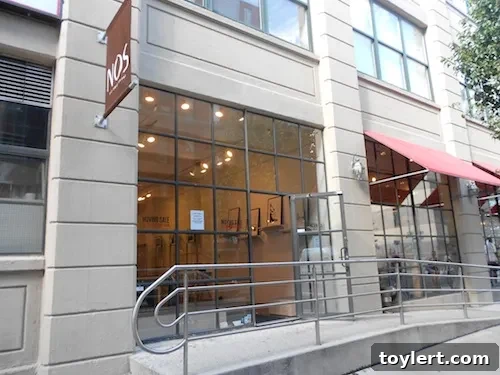
Dumbo, a vibrant acronym for “Down Under the Manhattan Bridge Overpass,” continues to solidify its reputation as a premier destination for business, culture, and residential living in Brooklyn. This historic industrial area, transformed into a chic urban enclave, is constantly evolving, attracting innovative businesses and residents drawn to its cobblestone streets, stunning waterfront views, and thriving community spirit. The latest exciting news for Dumbo residents and visitors alike is the arrival of a beloved national brand, Pinkberry, which is set to open its doors at 117 Front Street.
Pinkberry Arrives: Dumbo’s First Frozen Yogurt Shop
The highly anticipated opening of Pinkberry marks a significant milestone for Dumbo, as it will be the neighborhood’s very first dedicated frozen yogurt establishment. Securing a prime 1,000-square-foot space at the bustling 117 Front Street address, Pinkberry is poised to become a popular spot for a refreshing treat. According to a press release from Two Trees Management, a key developer in Dumbo known for its transformative urban projects, Pinkberry is scheduled to officially open this October. The announcement, initially shared by local news hub DumboNYC, underscores the neighborhood’s ongoing growth, noting that this new addition further enhances Dumbo’s “growing track record of being a top-tier destination for business.”
The arrival of Pinkberry reflects a broader trend of high-quality retail and dining options seeking a foothold in Dumbo. Frozen yogurt, with its customizable toppings and healthier perception compared to traditional ice cream, appeals to a wide demographic, from families and young professionals to tourists exploring Brooklyn’s iconic waterfront. This new shop will undoubtedly contribute to the vibrant street life, offering a convenient and appealing dessert option for those strolling through the scenic streets, visiting local galleries, or enjoying the nearby Brooklyn Bridge Park.
The Economic and Community Impact of New Businesses in Dumbo
The decision by a brand like Pinkberry to establish a presence in Dumbo is a testament to the neighborhood’s robust economic health and its increasing desirability. Developers like Two Trees have played a crucial role in cultivating Dumbo’s commercial landscape, carefully curating a mix of retail, dining, and office spaces that cater to the unique needs of the community while also drawing in visitors from across the city and beyond. The consistent influx of new businesses, from independent boutiques and artisanal cafes to well-known franchises, signals a confident investment in Dumbo’s future.
Beyond the immediate economic benefits, such as job creation and increased foot traffic, the addition of a frozen yogurt shop enhances the quality of life for Dumbo residents. It provides a casual gathering spot, a place for quick refreshments, and contributes to the diverse array of amenities that make Dumbo such an attractive place to live and work. The synergy between residential, commercial, and recreational spaces creates a dynamic urban environment where businesses thrive, and the community flourishes. This strategic development ensures Dumbo remains not just a picturesque destination but also a vibrant, self-sustaining neighborhood.
Gowanus: Navigating Development Amidst Community Concerns
Gowanus, a neighborhood known for its unique blend of industrial heritage, burgeoning artistic scene, and ongoing environmental remediation efforts, is a microcosm of Brooklyn’s rapid urban transformation. With its distinctive canal and repurposed warehouses, Gowanus stands at a fascinating crossroads of preservation and progress. As developers increasingly eye its potential, the community remains vigilant, often engaging in lively discussions about how new projects will impact the neighborhood’s character and the quality of life for its long-time residents. One such project, the much-talked-about Royal Palms Shuffleboard Club, recently encountered a significant hurdle in its journey to open in Gowanus.
Royal Palms Shuffleboard Club: A Vision for Unique Entertainment
The Royal Palms Shuffleboard Club, conceived as a large-scale entertainment venue centered around the classic game of shuffleboard, promised to bring a novel leisure option to Gowanus. Imagined as a spacious, retro-themed club, it aimed to offer a vibrant social hub complete with food, drinks, and multiple shuffleboard courts. Such a concept, with its emphasis on interactive social activities, aligns perfectly with Brooklyn’s penchant for unique, experiential venues that cater to a diverse clientele looking for alternatives to traditional bars or nightclubs. The club’s vision was to revitalize a dormant industrial space, transforming it into a lively destination for both locals and visitors.
However, the path to opening a large-scale entertainment venue in a rapidly gentrifying neighborhood is rarely smooth. The potential for a new business to generate excitement and economic activity must often be weighed against its potential impact on existing residents. This delicate balance became the central issue for Royal Palms as it sought approval from local authorities, highlighting the intricate dance between business ambition and community well-being in urban development.
Community Engagement and Development Hurdles
As reported by Brooklyn Based, the Royal Palms project faced a significant setback at a recent Community Board Six meeting. Neighborhood residents vocalized strong opposition, expressing legitimate concerns primarily centered around the potential for increased noise and crowds that a popular entertainment venue would inevitably bring. Gowanus, while evolving, still features residential blocks alongside commercial and industrial zones, and the prospect of late-night activity, amplified sound, and increased pedestrian and vehicular traffic raised alarms among those living in close proximity to the proposed site.
In response to this community outcry, the owners of Royal Palms made the prudent decision to withdraw their application. This move was not an abandonment of the project but rather a strategic pause, aimed at allowing them to conduct more extensive community outreach. This commitment to engaging with residents signifies a recognition of the importance of local input and a desire to address concerns proactively before proceeding. Such outreach typically involves holding informal meetings, gathering feedback, and potentially adjusting operational plans to mitigate negative impacts, demonstrating a willingness to be a responsible neighbor.
Balancing Progress with Preservation in Gowanus
The experience of Royal Palms in Gowanus is emblematic of the challenges faced by developers and entrepreneurs in rapidly developing urban areas. While new businesses contribute to economic growth and offer valuable amenities, their integration into existing communities requires careful consideration and transparent dialogue. The role of Community Boards, as platforms for residents to voice their perspectives, becomes paramount in ensuring that development is sustainable and considerate of those who call the neighborhood home.
The owners of Royal Palms have indicated their intention to return to Community Board Six in September, presumably with revised plans and a clearer understanding of community expectations. This delay, though initially a setback, could ultimately lead to a stronger, more community-integrated project. It serves as a valuable lesson in urban planning: successful development in neighborhoods like Gowanus hinges not just on capital investment and innovative concepts but also on respectful engagement, thoughtful compromise, and a genuine commitment to building a harmonious future for all stakeholders.
Williamsburg: A Hub of Dynamic Retail and Lifestyle Evolution
Williamsburg, Brooklyn, stands as a testament to constant transformation, a neighborhood where trends are born, businesses flourish, and the urban landscape is perpetually reshaped. From its roots as an industrial working-class area to its current status as a global cultural touchstone, Williamsburg is a dynamic ecosystem of innovation, creativity, and commerce. This rapid evolution means that the retail and lifestyle scene in Williamsburg is in a perpetual state of flux, characterized by a vibrant “open and shut” cycle that reflects the neighborhood’s energetic and competitive spirit.
The ‘Open and Shut’ Cycle: Williamsburg’s Retail Heartbeat
The phrase “open and shut” perfectly encapsulates the fluid nature of Williamsburg’s commercial environment. One day, a new artisanal coffee shop might open its doors, boasting unique brewing methods and minimalist aesthetics. The next, a long-standing boutique might announce its closure, unable to keep pace with rising rents or evolving consumer preferences. This constant churn, while sometimes lamentable for sentimental reasons, is also a vital sign of a healthy, competitive market where innovation is rewarded and businesses must constantly adapt to stay relevant. For consumers, it means an ever-changing landscape of options, ensuring that Williamsburg remains at the forefront of retail, dining, and entertainment trends.
This dynamic cycle is fueled by several factors, including the entrepreneurial spirit of Brooklyn, the neighborhood’s desirability, and the high foot traffic generated by its resident artists, young professionals, and tourists. Every closure creates an opportunity for a new concept, pushing the boundaries of what a neighborhood can offer. This continuous reinvention keeps Williamsburg fresh, exciting, and perpetually relevant on the global stage of urban culture and commerce.
Driving Factors Behind Williamsburg’s Commercial Boom
What makes Williamsburg such a magnet for businesses, despite the competitive landscape? Several key factors contribute to its enduring appeal. Firstly, its demographic profile is highly attractive: a mix of affluent young professionals, creative artists, and tech innovators who possess significant disposable income and a desire for unique, high-quality products and experiences. This demographic is willing to support local businesses that align with their values, whether it’s sustainable fashion, farm-to-table dining, or independent bookstores.
Secondly, Williamsburg’s cultural cachet is unparalleled. It is synonymous with trendsetting, music, art, and an effortlessly cool lifestyle. Businesses that choose Williamsburg benefit from this established brand identity, drawing customers who seek to immerse themselves in the authentic Brooklyn experience. The neighborhood’s reputation alone serves as a powerful marketing tool, attracting both local patrons and international visitors eager to explore its vibrant streets. Furthermore, accessible public transit options, including the L train and various bus lines, make Williamsburg easily reachable, ensuring a steady stream of potential customers.
Challenges and Adaptations in a Competitive Market
While opportunities abound, operating a business in Williamsburg comes with its unique set of challenges. One of the most significant is the escalating cost of commercial real estate. Rising rents can make it difficult for small, independent businesses to compete with larger chains or well-funded startups. This economic pressure often drives the “shut” part of the open-and-shut cycle, as businesses struggle to maintain profitability in an expensive urban environment.
However, Williamsburg businesses are also masters of adaptation. Many embrace innovative business models, such as pop-up shops, collaborative spaces, or direct-to-consumer strategies, to mitigate costs and connect directly with their audience. There’s also a strong sense of community support, with residents often prioritizing local establishments over big-box retailers. This symbiotic relationship between businesses and the community fosters a resilient commercial ecosystem, where creativity and adaptability are key to long-term success. Businesses that understand and cater to the specific tastes and values of the Williamsburg community are often the ones that thrive, becoming cherished local institutions.
Shaping the Future: What’s Next for Williamsburg?
Looking ahead, Williamsburg’s commercial landscape is likely to continue its dynamic evolution. While the pace of change may seem relentless, it is also a testament to the neighborhood’s enduring vitality. Future trends may see an increased focus on sustainable practices, experiential retail that offers more than just products, and technology-driven services that enhance urban living. The balance between maintaining its authentic Brooklyn charm and embracing continued development will be crucial.
Ultimately, Williamsburg will remain a beacon of innovation and a living laboratory for urban trends. Its “open and shut” cycle is not a sign of instability but rather an indicator of a thriving, adaptable market constantly refining itself to meet the demands of a discerning urban populace. As new businesses emerge and others gracefully exit, Williamsburg will undoubtedly continue to captivate with its unparalleled energy and ever-evolving character.