Brooklyn’s Rolling History: The Enduring Legacy of the Empire Rollerdrome and Urban Transformation
The unmistakable rhythmic roar of thousands of hard rubber wheels gliding across a polished wooden floor is a sound etched into the collective memory of generations. It’s the vibrant symphony of a roller skating rink, a bustling hub of community, joy, and movement that was once a ubiquitous fixture in neighborhoods across America. For many, especially in Brooklyn, these rinks were more than just places to skate; they were cultural institutions, shaping social landscapes and personal histories.
Roller skating, as a recreational activity, boasts a rich and fascinating heritage, captivating enthusiasts in both the United States and Europe since the mid-19th century. Its journey from novelty to widespread sensation is intrinsically linked to ingenuity and entrepreneurship. A New Yorker named James Leonard Plimpton is credited with inventing the prototype of the modern quad, or four-wheel skate, a design that revolutionized personal mobility and entertainment. In a pioneering move, Plimpton opened what is considered the first modern roller rink at his furniture store in Manhattan in 1866. This groundbreaking establishment marked the beginning of an era, setting the stage for the explosion of roller rinks that would soon sweep the nation. The modern quad skate, further refined with crucial innovations like the toe stop and efficient ball bearings, has been in continuous production and evolution since approximately 1898, solidifying its place in recreational history.
The Golden Age of Roller Skating: More Than Just a Pastime
The late 19th and early 20th centuries witnessed roller skating transform from an aristocratic pastime into a popular mass entertainment. Roller rinks emerged as vital social centers, offering a unique blend of physical activity, music, and community interaction. These grand halls, often adorned with dazzling lights and live organs or later, booming sound systems, became epicenters of social life. They transcended mere recreation, evolving into places where friendships blossomed, romances ignited, and communities forged bonds over shared spins and graceful glides.
The appeal of roller skating was multifaceted. It offered an affordable escape, a chance to express oneself through movement, and a welcoming environment for people of all ages and backgrounds. From elegant waltzes and elaborate figure skating routines to energetic speed skating races, the rinks hosted a diverse array of activities. As decades passed, roller skating continued to adapt, embracing new musical genres and evolving cultural trends. The disco era of the 1970s, in particular, saw a massive resurgence in roller skating’s popularity, with rinks becoming pulsating dance floors where sequins shimmered under strobe lights, fueled by funk, soul, and disco beats. This period solidified roller skating’s image as a vibrant, expressive, and undeniably cool form of entertainment.
The Empire Rollerdrome: A Brooklyn Icon Remembered
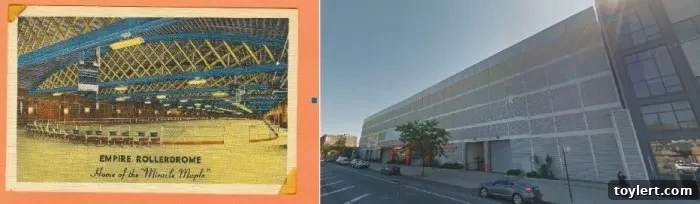
Among the countless rinks that dotted the urban landscape, Brooklyn’s Empire Rollerdrome stood as a legendary institution, a beacon of community and culture. While specific dates of its operation are part of local lore, the mere mention of its name evokes a powerful sense of nostalgia and pride for Brooklynites. The Empire Rollerdrome wasn’t just a place to skate; it was a cornerstone of the neighborhood, a vibrant meeting point where generations connected, celebrated, and created lasting memories. It embodied the very spirit of Brooklyn – diverse, dynamic, and deeply rooted in its local identity.
Imagine the scene: a vast, polished wooden floor, perhaps a maple masterpiece, constantly maintained to ensure the perfect glide. The air thick with the scent of popcorn and sweat, infused with the latest hit songs pouring from colossal speakers. Skaters of all ages and skill levels circled the rink – beginners cautiously clinging to the rails, seasoned regulars effortlessly weaving through the crowd, and flamboyant dancers showcasing their intricate footwork in the center. The Empire Rollerdrome was a microcosm of Brooklyn itself, a melting pot where families, teenagers, and young adults found common ground, enjoying moments of pure, unadulterated fun.
Community and Culture at the Heart of the Empire
The Empire Rollerdrome played a crucial role in the social fabric of Brooklyn. It hosted countless birthday parties, school outings, and special events, cementing its place in the personal histories of thousands. For many young people, it was a rite of passage, a safe and exciting venue for first dates, friendships, and developing a sense of independence. The rink fostered a unique subculture, complete with its own fashion trends, dance styles, and an unwritten code of conduct on the floor. Regular patrons became a sort of extended family, sharing laughter, spills, and triumphs on skates.
Beyond casual skating, the Empire Rollerdrome likely served as a venue for competitive speed skating, artistic roller skating demonstrations, and various community fundraisers. It was a place where local talent could shine, where aspiring skaters could hone their skills, and where the community could gather for wholesome entertainment. The music played within its walls – from classic R&B and soul to disco and early hip-hop – became the soundtrack to countless youthful experiences, permanently linking the rink to the popular culture of its era. For an evening, the outside world and its worries faded away, replaced by the exhilarating freedom of movement and the unifying beat of the music.
Brooklyn’s Changing Landscape: From Roller Rinks to Urban Renewal
The story of the Empire Rollerdrome, like that of many beloved local institutions, is also a narrative about urban transformation. As Brooklyn evolved through the latter half of the 20th century and into the new millennium, the landscape underwent significant changes. Economic shifts, demographic changes, and evolving entertainment preferences began to impact traditional venues like roller rinks. The land they occupied, once perhaps considered peripheral, became increasingly valuable, leading to pressures for redevelopment.
The “then and now” aspect of Brooklyn is starkly evident when considering the fate of places like the Empire Rollerdrome. Neighborhoods that were once vibrant hubs for working-class families and cultural enclaves have experienced cycles of decline, gentrification, and rebirth. While these changes often bring new amenities, infrastructure improvements, and economic opportunities, they invariably come at a cost – often the loss of cherished landmarks that held deep sentimental and historical value for the local community. The physical structures that housed these memories, like the Empire, are often demolished to make way for new residential buildings, retail spaces, or other modern developments.
The Decline of Roller Rinks and a Shifting Entertainment Paradigm
Several factors contributed to the decline of traditional roller rinks across the country, including the Empire Rollerdrome. The rise of multi-screen movie theaters, video game arcades, and later, home entertainment systems offered new, compelling alternatives. Changing tastes in music and fashion also played a role; while roller skating enjoyed resurgences, it couldn’t always maintain its mainstream appeal against newer trends. Maintenance costs for large rinks, combined with declining attendance in some areas, made it increasingly difficult for owners to sustain these businesses. Furthermore, rising property values in burgeoning urban areas like Brooklyn put immense pressure on owners to sell their valuable land for more profitable ventures.
The closure of the Empire Rollerdrome, whenever it occurred, would have marked the end of an era for many Brooklynites. It signaled a shift in the way people spent their leisure time and the types of venues available for community gathering. The physical space might have transformed, but the echoes of laughter, the thrum of wheels, and the memories of countless joyful moments undoubtedly persisted in the hearts and minds of those who frequented it.
Nostalgia, Revival, and the Enduring Spirit of Brooklyn
Today, as Brooklyn continues its dynamic evolution, there’s a growing appreciation for its rich history and the cultural institutions that once defined it. The concept of “then and now” isn’t just about comparing old buildings to new ones; it’s about understanding the continuity and transformation of a community’s soul. While the original Empire Rollerdrome may be gone, its legacy lives on through stories, photographs, and the collective memory of a generation. There’s a palpable nostalgia for these communal spaces, a yearning for the simpler, more tangible forms of entertainment and social interaction they offered.
Interestingly, roller skating itself has experienced periodic revivals. From modern roller derby leagues to outdoor skate jams and pop-up rinks, the joy of gliding on wheels continues to capture new audiences. These contemporary manifestations often pay homage to the golden age of rinks, drawing inspiration from their music, fashion, and vibrant atmosphere. They serve as a reminder that while specific venues may fade, the human desire for movement, music, and community remains timeless.
Conclusion: Remembering the Roll and Reflecting on Change
The Empire Rollerdrome stands as a powerful symbol of Brooklyn’s storied past – a testament to a time when community hubs were built around shared experiences like the thrill of roller skating. Its story is interwoven with the broader narrative of urban development, illustrating how cities like Brooklyn constantly reshape themselves, balancing the demands of progress with the preservation of heritage and memory. While the physical structure of the Empire Rollerdrome may no longer exist, its spirit endures as a cherished memory for those who once felt the beat of its music and the glide of its floor.
As we look at Brooklyn “then and now,” we’re reminded that every new development is built upon layers of history. The spaces that once fostered joy, connection, and culture may transform, but the impact they had on individuals and communities continues to shape the character of this iconic borough. The roar of those individual hard rubber wheels may have faded from the physical landscape, but the vibrant, rolling legacy of the Empire Rollerdrome remains an indelible part of Brooklyn’s rich and unforgettable history.